ScienceA new theoretical study suggests gravitational waves could, in principle, be locked into stable, non-radiating patterns, an idea borrowed directly from photonics research on light.
ScienceGerman-led researchers report that bacteria and archaea, the two oldest branches of life, may have independently crossed the threshold into free-living cells roughly four billion years ago, even though both share a single ancient genetic code.
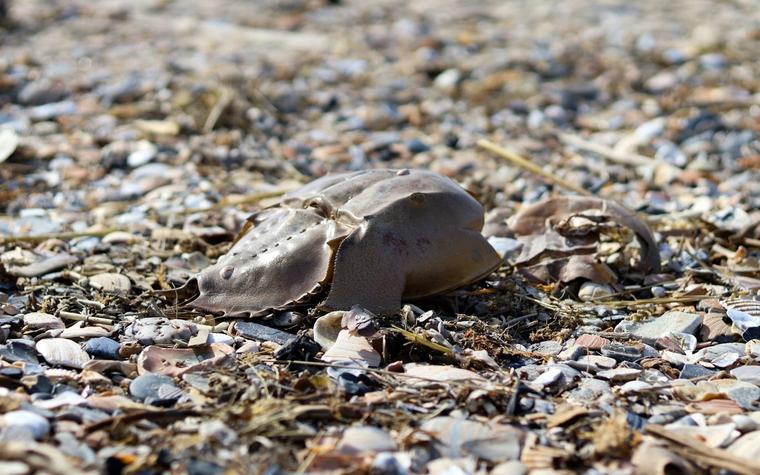
ScienceThe ancient arthropod, whose blue blood underpins global vaccine safety testing, is among ten finalists in the Guardian's annual poll. Voting closes ahead of a result due on 17 August.
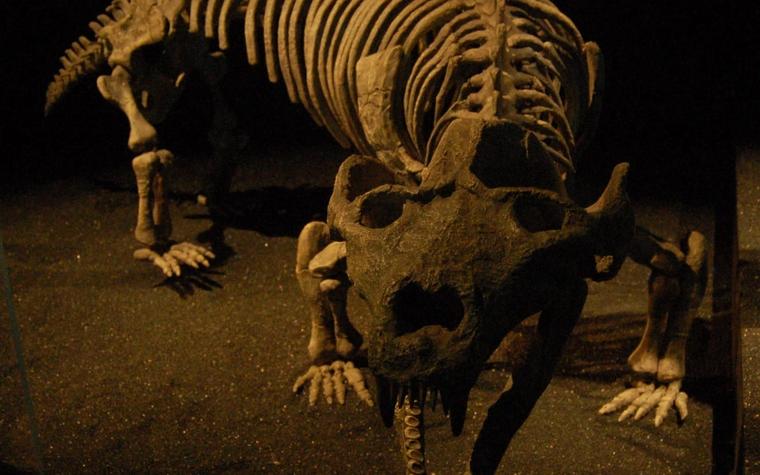
ScienceA newly analysed fossil of Chiniquodon theotonicus indicates this ancient relative of mammals gave birth to live young, pushing the origin of that trait back tens of millions of years.
ScienceEurope is heating up at roughly twice the global average rate, according to the EU's Copernicus climate service, and this summer's heatwaves have already caused thousands of excess deaths across the continent.
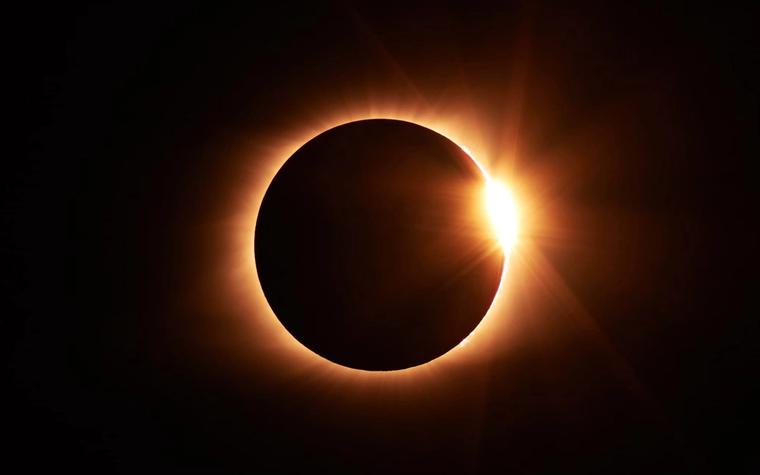
ScienceA total solar eclipse swept across the Arctic and into Spain on Wednesday, the only one of 2026, drawing crowds to watch the sky go dark. A partial eclipse was visible across much of Europe, North Africa and eastern North America.
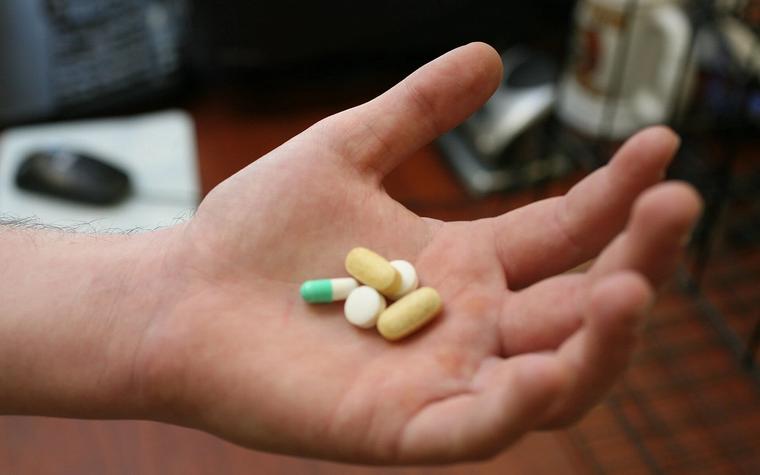
ScienceA once-daily tablet called aleniglipron helped adults with obesity lose up to 12.1% of their body weight over 36 weeks, according to a mid-stage trial published in Nature Medicine. Unlike Wegovy or Ozempic, it does not require injection.
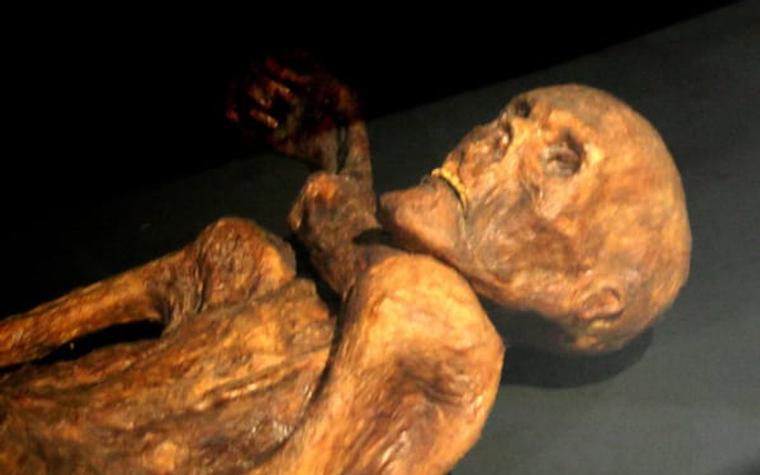
ScienceResearchers in Italy have separated 5,300-year-old microbes from modern contamination on the famous Alpine mummy, finding surviving gut bacteria and yeasts that may have travelled with him in the glacier for millennia.
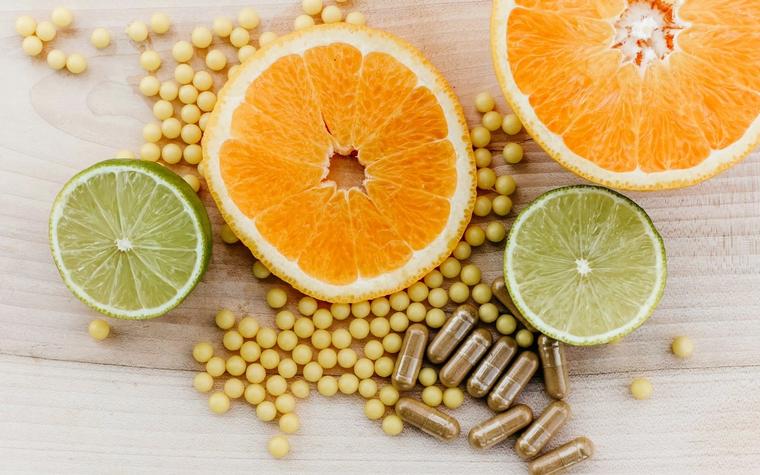
ScienceDecades after Linus Pauling's high-dose vitamin C claims were discredited, researchers say intravenous vitamin C behaves like an experimental drug, not a supplement, and may help some cancer patients when combined with standard treatment.
ScienceA female Amur tiger named Umit has been released into a Kazakh nature reserve, marking the first practical step in a decade-long plan to restore a big cat population lost since the mid-20th century.
ScienceResearchers at the University of Chicago have observed electrons moving unusually slowly while staying quantum coherent in a thin magnetic material, a discovery that could inform future memory chips.
ScienceA four-week UK trial found adults who added a daily glass of 100% fruit juice or a smoothie to their diet reported lower depression scores than those who ate only whole fruit and vegetables. The study was small and industry-funded, researchers caution.
ScienceA vaccine candidate against Shigella, a leading cause of deadly diarrhoeal disease, prevented illness in 89% of vaccinated adults in a small trial. Researchers now want to test it in young children, who bear the heaviest burden of the disease.
ScienceScientists have mapped roughly 6,000 cubic kilometres of magma hidden beneath southern Tuscany, a volume comparable to the reservoirs feeding supervolcanoes like Yellowstone. Researchers say the body poses no immediate danger but could reshape geothermal energy and critical mineral exploration in Italy.
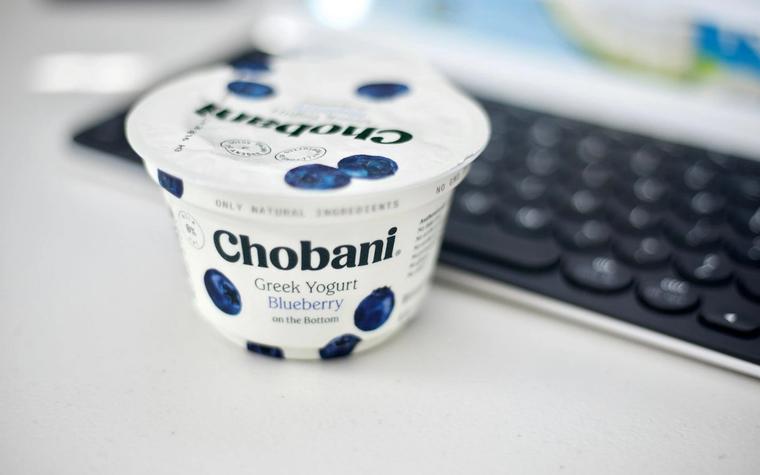
ScienceA 12-week Canadian trial found that adults who ate three servings of full-fat dairy daily saw no rise in weight, body fat or cholesterol, and their blood pressure improved. The findings challenge decades of advice steering Europeans toward low-fat dairy.
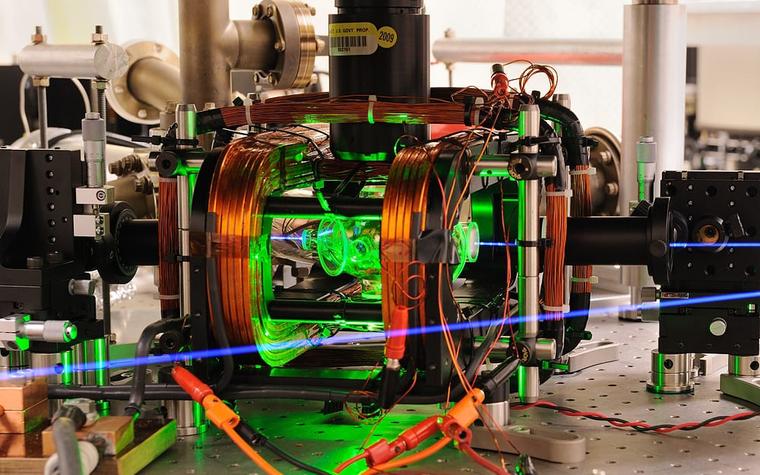
ScienceA University of Toronto team has shown that photons passing through ultracold atoms can register a negative dwell time, and that the atoms themselves confirm the effect rather than it being a trick of the light pulse.
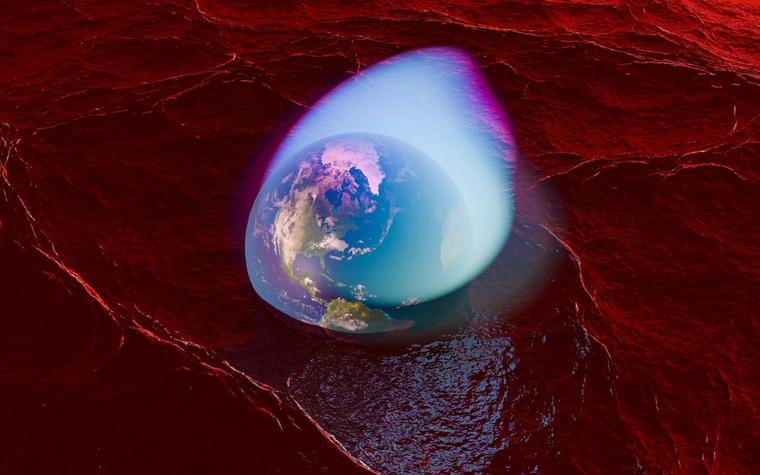
ScienceSatellite data show a broad current of molten iron deep inside Earth switched direction beneath the Pacific in 2010, defying decades of assumptions about the planet's interior. Researchers say the flow now appears to be weakening.
ScienceGerman researchers report that microbes living in flooded uranium mine water can turn toxic dissolved uranium into an unusually stable compound, removing about 95% of it within 130 days.
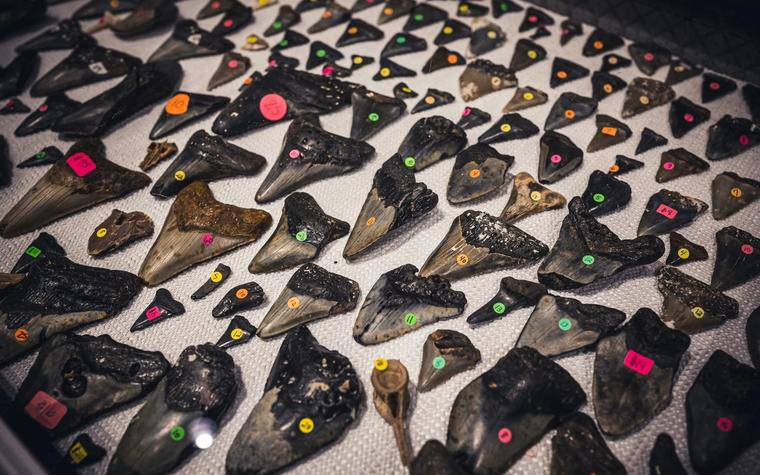
ScienceFossil vertebrae feared destroyed in a 1989 museum move have turned up in Denmark. New analysis of the specimen supports estimates that the extinct megalodon shark grew beyond 24 metres and lived for close to a century.
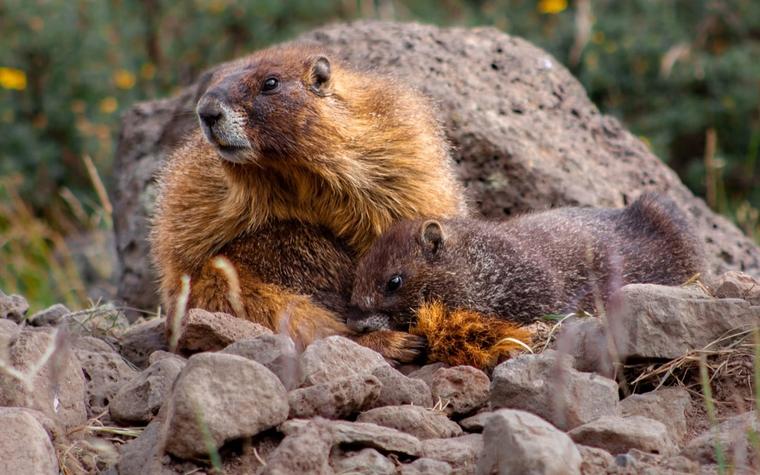
ScienceAfter the US National Science Foundation rejected renewed funding for a 64-year marmot study, UCLA researchers turned to OnlyFans to raise money. The account, called OnlyMarms, is free and strictly G-rated.
ScienceOn Wednesday 12 August 2026, a partial solar eclipse will be visible across the UK, Ireland and much of Europe. Here is how to view it without damaging your eyes.
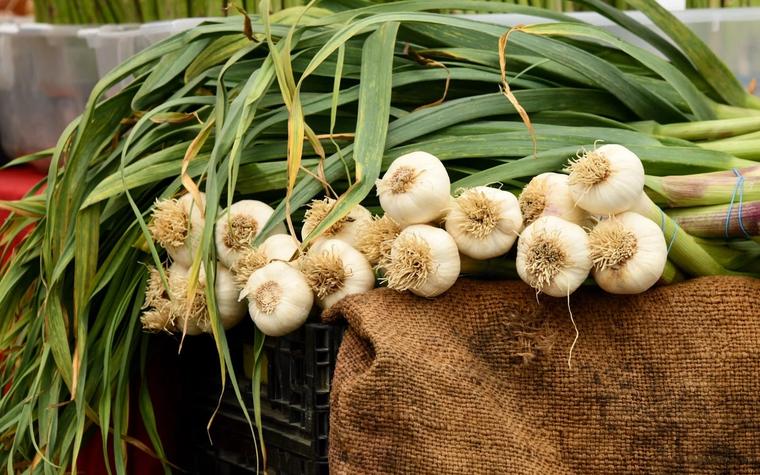
ScienceKyushu University researchers have shown that nanoscale droplets of garlic and spearmint compounds can kill a major stored-bean pest while sparing its natural predator and boosting seedling growth.
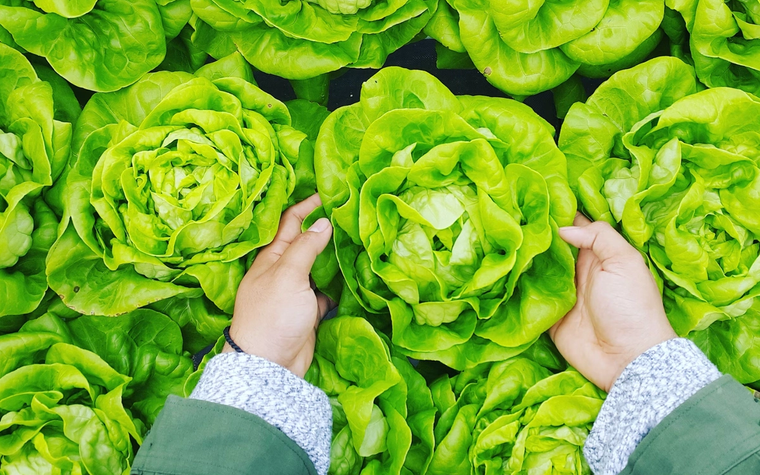
ScienceAn estimated 18,000 Americans across 45 states have fallen ill in what is on track to be the largest Cyclospora outbreak in US history, linked to contaminated iceberg lettuce from Mexico. The parasite's unusual biology makes it exceptionally hard to detect, trace, and stop.
ScienceA new study links decades of uneven Pacific Ocean warming to sharply diverging wildfire trends in the United States Southwest and eastern Australia. The findings suggest that predicting future fire risk requires tracking long-term ocean shifts, not just rising air temperatures.