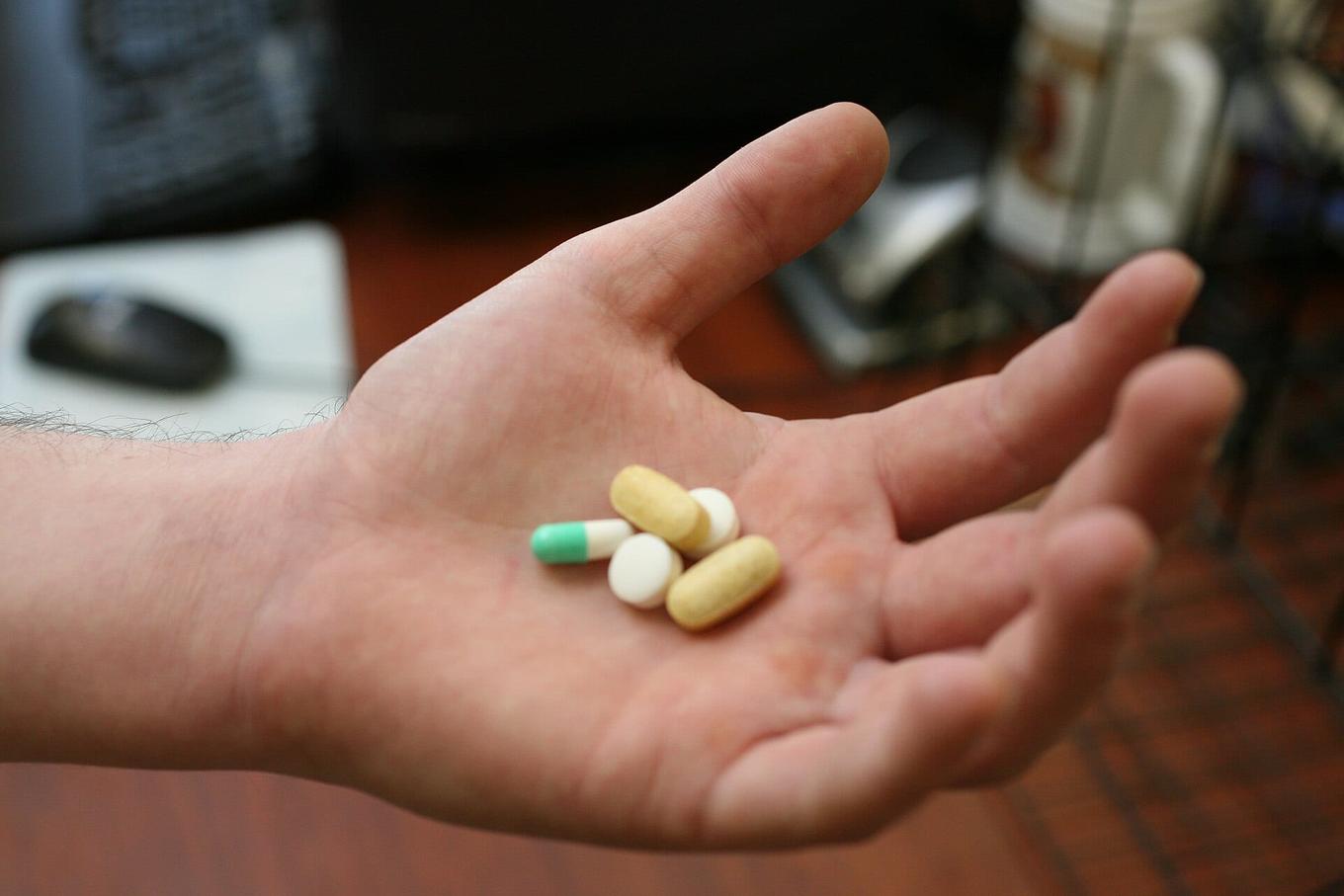
An experimental weight-loss pill has produced results that could reshape how obesity is treated across Europe, where injectable drugs such as Wegovy and Ozempic remain expensive and, at times, hard to get hold of. In a randomised, placebo-controlled trial of 230 adults with obesity or overweight, the oral drug aleniglipron produced average weight reductions of 9.0%, 10.7% and 12.1% at three escalating doses over 36 weeks, compared with just 0.5% among those given a placebo.
The findings, published in the journal Nature Medicine, come from a phase II trial run by the US biotech Structure Therapeutics with academic input from Northwestern University in Chicago. Coverage of the results by outlets including NewsNation and ScienceDaily has drawn attention to the drug’s potential to widen access to GLP-1 treatments, a class of medicine that mimics a gut hormone to suppress appetite and regulate blood sugar.
Why a pill matters for supply and cost
Wegovy, Ozempic and similar drugs are peptides, meaning they are large, fragile molecules that must be injected and are relatively costly to manufacture. Aleniglipron belongs to a different chemical category altogether.
“The difference with aleniglipron is it’s a small molecule, meaning it’s chemically made and can be taken with or without food,” said Dr Robert Kushner, a co-author of the study and professor emeritus of medicine at Northwestern University. “Most medications we take, whether aspirin or blood pressure drugs, are small molecules. Because of that, they can potentially be combined with other medications.”
Small molecules of this kind are generally simpler and cheaper to produce at industrial scale than injectable peptides, which require specialised manufacturing and cold storage. That distinction has been closely watched in Europe, where NHS prescribers in the UK and health insurers across the continent have grappled with intermittent Wegovy shortages and list prices that have kept the drug largely out of reach without insurance or a private prescription.
Side effects and the road to approval
As with existing injectable GLP-1 drugs, gastrointestinal side effects were the most frequently reported problem in the trial. Reporting on an earlier related study, the health news outlet STAT noted that a 120-milligram dose of aleniglipron produced 12.1% weight loss at 36 weeks, but that nausea affected a majority of treated patients, underlining that tolerability questions have not gone away simply because the drug is swallowed rather than injected.
Structure Therapeutics has said the overall discontinuation rate in the programme was 10.4%, which it has described as favourable compared with other drugs in the same class. A separate, later-stage study from the company reported even higher weight loss, around 16% over 39 weeks, though that result has not yet appeared in a peer-reviewed journal.
Aleniglipron has not been approved by any medicines regulator, including the US Food and Drug Administration or Europe’s EMA. Structure Therapeutics has said it plans to begin a phase III trial, the last stage typically required before regulators will consider a drug for approval, in the second half of 2026. That means any European rollout, if the drug clears further trials and regulatory review, remains several years away at the earliest.
For now, the results add aleniglipron to a growing list of oral GLP-1 candidates being developed by rival companies, all racing to offer patients and health systems an alternative to the injection pens that have dominated the obesity drug market since Wegovy’s approval in Europe in 2022.
This article is free to read. It always will be — no paywall, no account, no tracking.