A vaccine candidate against Shigella, the bacterium behind one of the world’s most lethal forms of diarrhoeal disease, has shown strong protection in an early clinical trial, offering fresh hope in a field that has struggled for decades to produce a usable shot.
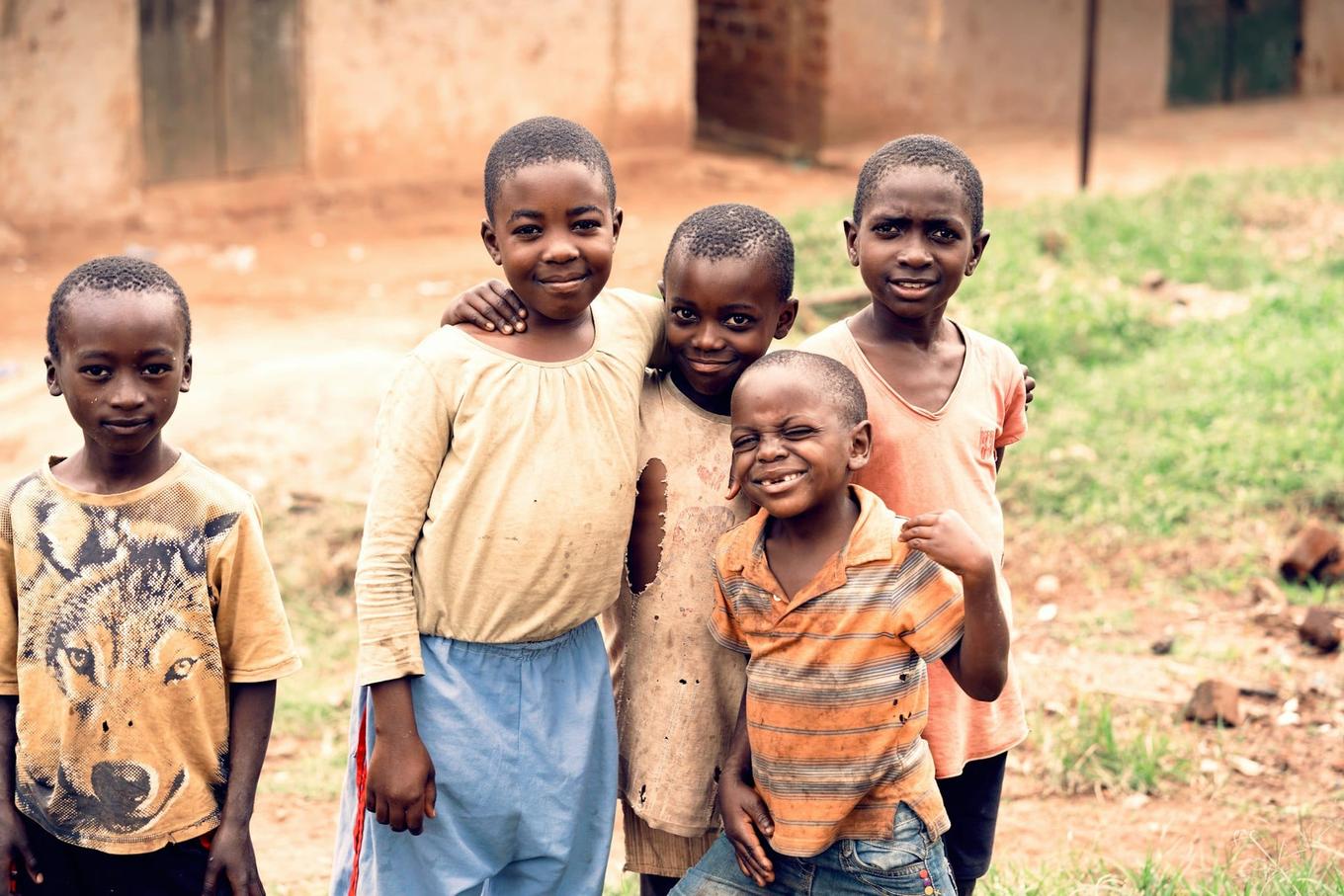
Diarrhoeal disease remains one of the biggest killers of young children globally, even though it rarely makes headlines in Europe. Over 1 million people die from diarrheal illness such as dysentery every year. Nearly half of them are children under age 5. Chad has the highest rate of childhood deaths: roughly 1 in 140 children under 5 die each year.
A trial with a striking result
The new findings, published this summer in The Lancet Infectious Diseases, come from a small but closely watched study. According to NPR’s reporting, it was 89% effective at preventing one of the leading causes of diarrheal deaths, shigellosis. The study recruited 108 adults. Half received the vaccine, a weakened version of the shigella bacteria.
That result matters because Shigella has proven an unusually stubborn target for vaccine developers. A review published in Expert Review of Vaccines notes that despite more than a century of sustained research efforts, there is no globally licensed Shigella vaccine, a gap that has persisted even as the disease remains a major cause of illness and death, particularly across sub-Saharan Africa and South Asia.
Children, not adults, are the real target
Researchers are careful to note that a trial in 108 healthy adults is only a first step. The people who die of and are affected by shigellosis are overwhelmingly small children in the global south, who, the authors say, have poorer immunity than well-developed and nourished children. Any vaccine will need to prove itself in the population it is meant to protect.
“The most important population for a potential Shigella vaccine would be children under 5. We want a vaccine that’s safe and effective in children as young as one year of age, or even younger,” said Talaat, one of the vaccine researchers, according to NPR.
That view is echoed elsewhere in the field. A separate bivalent conjugate vaccine developed by Beijing Zhifei Lvzhu Biopharmaceutical is already being tested directly in infants and children aged six months to five years, according to its registered trial protocol, reflecting a broader push to test candidates in the age group most at risk rather than starting with adults alone.
For clinicians who have spent careers on the issue, the motivation is straightforward. He says that vaccines are needed to achieve his goal of “really reducing deaths of children in the world.”
Why the disease stays in the shadows
Part of the challenge, researchers say, is cultural rather than purely scientific. In the world of public health, the disease often does not get the attention it deserves, because of what researchers call the “poo taboo”, people just aren’t comfortable talking about diarrhea. That discomfort can translate into less funding and slower progress than the death toll would otherwise justify, even as bodies such as the World Health Organization have outlined the regulatory hurdles facing any Shigella vaccine aimed at children in lower-income countries.
The contrast with wealthier nations is stark. Diarrhea has been a headline story in the United States this summer, with thousands of cases of explosive diarrhea traced to Cyclospora from tainted lettuce, and the first two deaths from the outbreak now confirmed in Michigan. For most people in Europe and North America, such outbreaks are rare and treatable. For families in Chad, Bangladesh and other high-burden countries, Shigella remains a routine and often fatal threat, underlining why global health researchers argue a vaccine could be transformative if it clears the remaining trials.
For now, the 89% efficacy figure is preliminary and drawn from a small adult sample. Scientists involved in the research say the next, larger trials in young children in high-burden settings will determine whether this candidate, or one of the rival vaccines now in development, can finally close a gap in global immunisation that has persisted for generations.
This article is free to read. It always will be — no paywall, no account, no tracking.