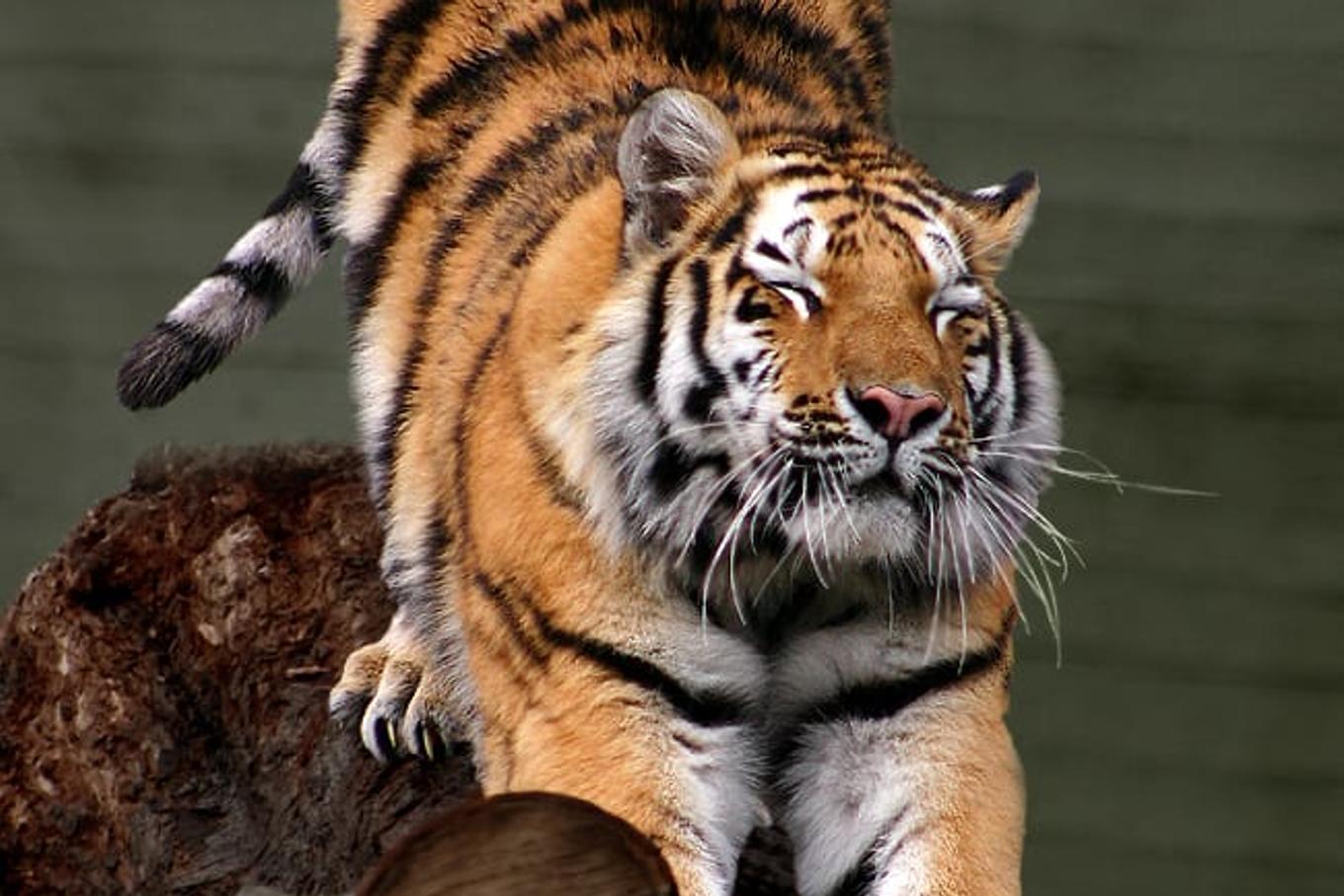
Kazakhstan has released a tiger into the wild for the first time in more than seventy years, a milestone in a long-running effort to bring the big cat back to a landscape it vanished from generations ago. The female Amur tiger, Umit, was released at the Ile-Balkhash State Nature Reserve on July 31, the Ecology Ministry announced on August 3.
Tigers once lived across the Ili River delta, the southern Lake Balkhash region and the thick tugai forests of Central Asia. The Caspian tiger, commonly called the Turan tiger in the region, disappeared from Kazakhstan during the middle of the 20th century. The last reliably documented sightings came more than seven decades ago. Hunting, shrinking forests, human expansion and a fall in wild prey numbers left the big cats with little space or food.
A decade of preparation
Because no Caspian tigers survive anywhere, conservationists turned to their closest living relative. Scientists selected Amur tigers for the programme after genetic studies found a close link between them and the extinct Caspian tiger. Researchers have found that the mitochondrial DNA of the two populations differs by only one nucleotide, according to IBTimes UK. Kazakhstan first floated the idea of reintroduction in 2010, and in 2017 the government signed a formal agreement with WWF to launch the programme; the Ile-Balkhash reserve itself was only established the following year, giving authorities time to rebuild the prey base tigers would need to survive.
That groundwork has included reintroducing Bukhara deer and kulan, a type of wild ass, to the delta after their own long absences from the region, as well as extensive tree-planting to restore the riverside tugai forest tigers rely on for cover.
Umit, which translates as hope in Kazakh and gives the project a symbolic dimension, is one of the four tigers brought from Russia to Kazakhstan in May. The group includes an adult male named Amur, Umit and two cubs named Turan and Ussuri. The animals were brought from Russia’s Khabarovsk region and placed in specially constructed adaptation enclosures in the Ile-Balkhash reserve. Before her release, Umit passed veterinary examinations and behavioral assessments aimed at determining whether she could live independently. She now wears a satellite tracking collar so scientists can monitor her movements in real time.
“Today we witnessed a truly historic event,” said Kazakhstan’s Ecology and Natural Resources Minister Yerlan Nysanbayev, describing the release as the result of more than a decade of work by Kazakhstan, Russian specialists, scientists, and international conservation partners.
What comes next
Umit’s release is intended as the first of several. Her release joins two captive Amur tigers, Bogdana and Kuma, transferred from the Netherlands in September 2024 for breeding purposes. That pair will remain in an enclosure, with any suitable offspring later prepared for eventual release, according to IBTimes UK. Meanwhile, the male tiger brought over in May, Amur, remains in an adaptation enclosure undergoing his own behavioural tests, while the two cubs, Turan and Ussuri, are expected to stay under supervision until they are at least 18 months old, Mongabay reported.
Conservation groups involved in the project, including WWF, have supported it since a 2017 memorandum of understanding with the Kazakh government, and have described a successful outcome as a potential template for restoring large carnivores to landscapes elsewhere. Officials view the single release as the beginning of a longer process rather than a one-time event.
Scientists nonetheless caution that a single tiger does not make a population. Building a viable, breeding group in the Ili River delta is expected to take years and will depend on how well Umit and any tigers that follow adapt to hunting wild prey, avoid conflict with local herders, and eventually find mates. For now, her satellite collar will offer the first real-time picture of how a tiger fares in a landscape it has been absent from for more than seven decades.
This article is free to read. It always will be — no paywall, no account, no tracking.