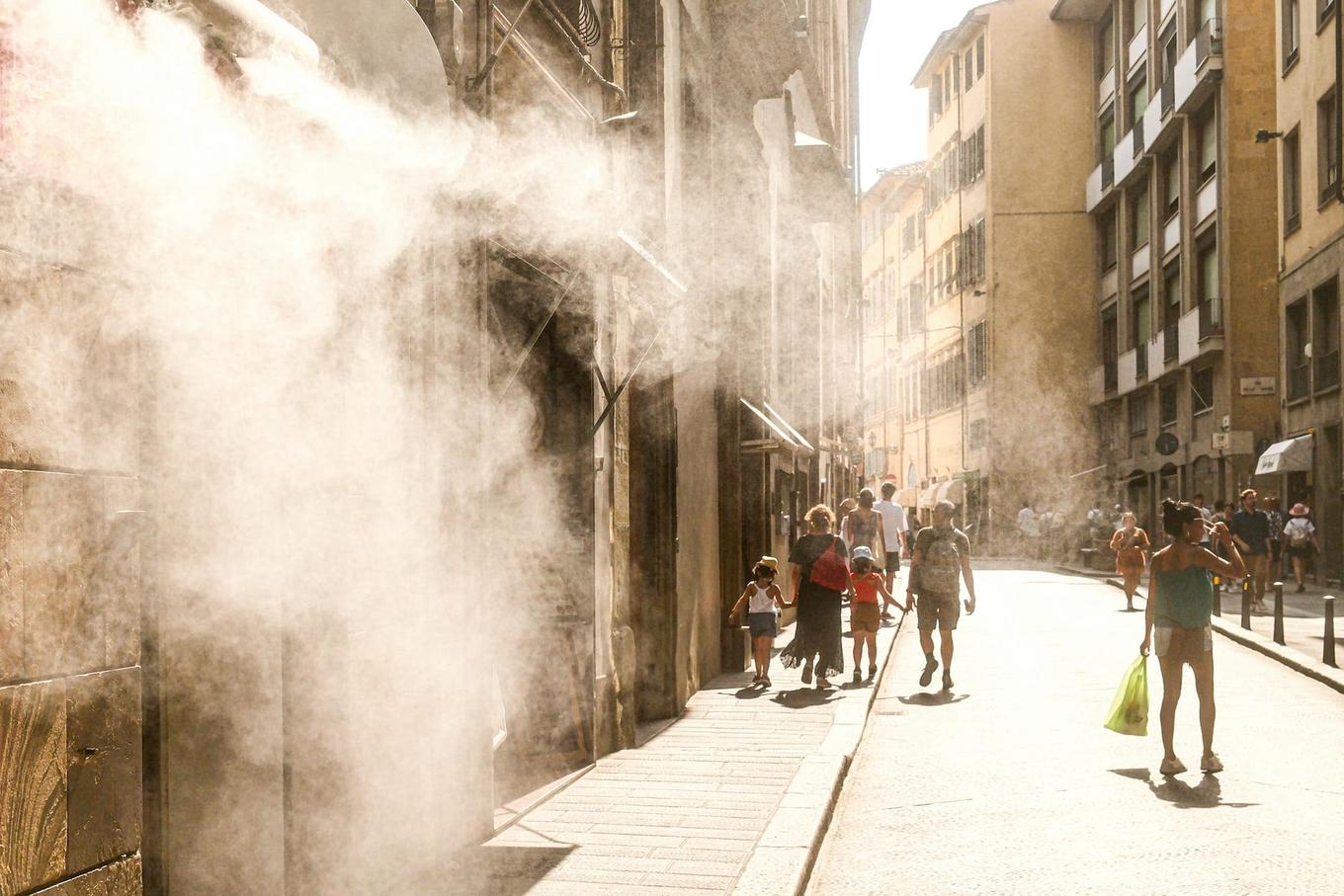
Europe is warming faster than any other continent on Earth, and the human cost is mounting. According to their European State of the Climate 2025 report, Europe is the world’s fastest-warming continent, with temperatures rising at around twice the global average. This trend has turned once-rare heatwaves into an almost annual ordeal.
A record-breaking summer
The scale of this year’s heat became clear in June 2026. Western Europe recorded its hottest June since records began, with an average temperature of 20.74 degrees, according to the EU’s Copernicus Climate Change service. This average temperature was 3.06 degrees above the June average between 1991 and 2020, surpassing a previous record set in June 2025. Across Europe as a whole, June was the second-warmest on record, with England and France recording their warmest June ever. For Germany, the month was its second warmest on record and set a new all-time national maximum temperature.
The heat did not stay confined to western Europe. By late June, an atmospheric pattern meteorologists call an omega block, a weather pattern named for the Greek letter because of the shape it creates in the atmosphere, in which hot, dry air from North Africa becomes trapped over a region as low-pressure systems on either side prevent it from moving away, pushed temperatures up to 18C above their seasonal average. At least 130 million people across central and eastern Europe faced temperatures above 35C on a single day.
“Driven by climate change and global warming, the phenomenon of the ‘once-in-a-generation’ heatwave is now occurring nearly annual,” said World Health Organization director-general Tedros Adhanom Ghebreyesus, who warned that Europe’s infrastructure has not been built to withstand high temperatures.
More than 10,000 excess deaths were recorded in the late-June heatwave, according to data from EuroMOMO, the European Mortality Monitor. Earlier in the same event, more than 1,300 excess deaths had been recorded in Europe since 21 June, the WHO said, including children who died in locked cars and young people who drowned seeking relief in unsupervised swimming spots.
Why Europe is warming faster than everywhere else
Scientists attribute Europe’s outsized warming to a combination of geographic and atmospheric factors. “Extreme heat causes the greatest mortality of all extreme weather,” says Chris Hewitt, the head of the World Meteorological Organization. Europe’s rapid warming is being driven by a trio of factors, including that the continent is close to the Arctic, which is the fastest-warming region on Earth. Reduced air pollution across the continent, which once reflected sunlight back into space, has also allowed more solar radiation to reach the surface, while shifts in atmospheric circulation are making blocking weather patterns like the omega block more frequent.
Cities bear a disproportionate share of the risk. “The impact on human health is more pronounced in cities, where most people are living,” says José Álvaro Silva of the UN’s World Meteorological Organization. Not only are populations concentrated in urban areas, but cities are warming more quickly than rural areas because buildings and roads stay hotter for longer.
Housing stock across much of the continent compounds the problem. Europe is particularly exposed: only about 20% of European homes have air conditioning, and much of the continent’s housing stock was built to retain heat rather than shed it. That leaves many households with few ways to cool down when temperatures spike, especially the elderly and those with underlying health conditions.
A pattern, not an anomaly
This year’s heat follows a similar pattern to 2025, when scientists found that around 16,500 people may have died as a result of climate change during the summer, equating to about 68% of deaths in the heatwave due to global warming. National temperature records were broken that year in Spain and Portugal. The recurrence of such extremes year after year is precisely what climate scientists warn now defines the continent’s summers.
For policymakers, the challenge is twofold: cutting the emissions driving the warming while adapting cities, homes and health systems built for a cooler climate. Experts have pointed to measures such as passively cooling design, solar-powered public cooling, and advanced technologies such as heat pumps as alternatives to energy-intensive air conditioning, which itself adds to the emissions fuelling the crisis. Until such adaptation catches up with the pace of warming, Europe’s summers look set to keep breaking records, and claiming lives.
This article is free to read. It always will be — no paywall, no account, no tracking.