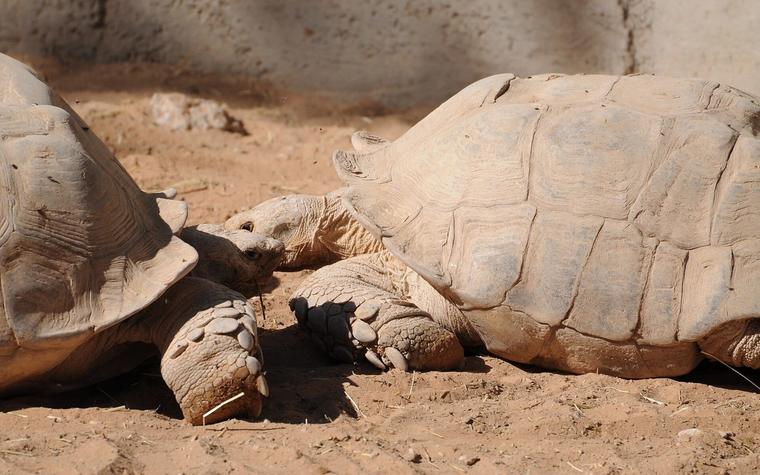
Giant tortoise survey finds 180,000 on Seychelles atoll
A five-year study of Aldabra Atoll has produced the highest-ever population estimate for the Aldabra giant tortoise, a figure that now exceeds the number of people living in the Seychelles.
Reports on genetic engineering, biodiversity, peer-reviewed longevity studies, and the academic publishing ecosystem.
A five-year study of Aldabra Atoll has produced the highest-ever population estimate for the Aldabra giant tortoise, a figure that now exceeds the number of people living in the Seychelles.
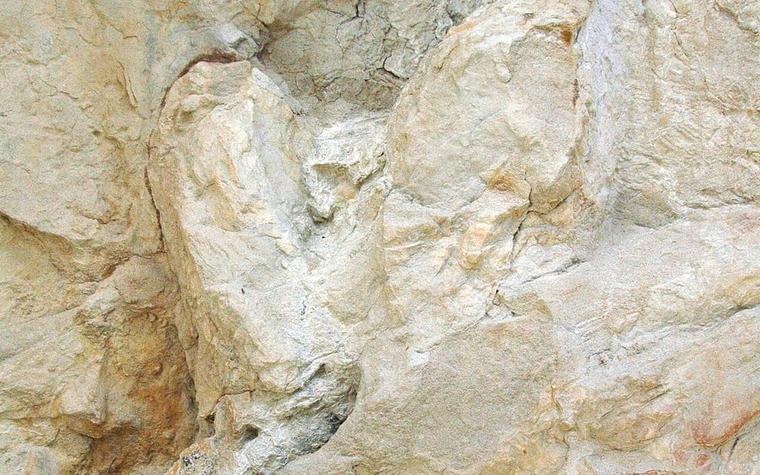
Scientists have identified four connected footprints in the Hell Creek Formation as the first known trackway made by a walking adult Tyrannosaurus rex, allowing researchers to calculate its speed for the first time.
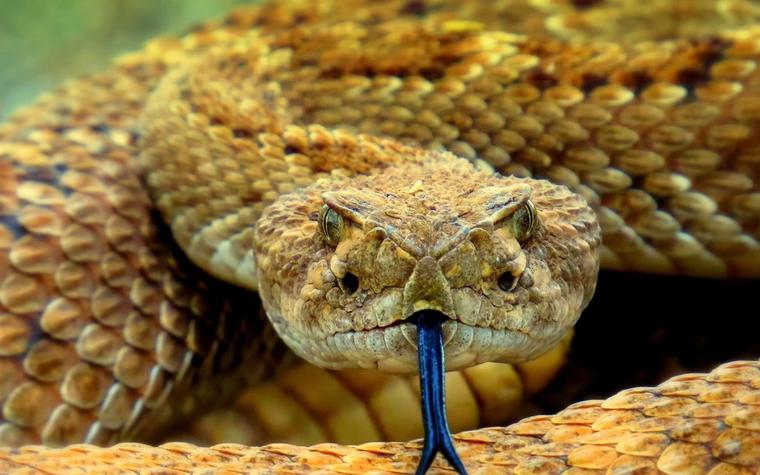
University of Maryland researchers have found that combinations of proteins from rattlesnake blood neutralised venom roughly ten times more effectively than current antivenom in laboratory tests, offering a potential path to cheaper, safer treatments.

A five-person team has shown that percolation, the mathematical model behind wildfire spread and epidemic outbreaks, always undergoes an abrupt phase transition on a broad class of infinite networks, closing a question left open since the 1980s.
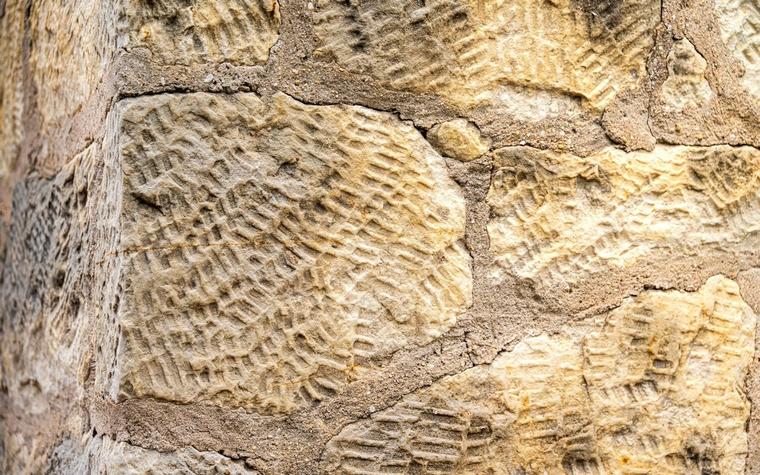
A fossil misidentified as a crustacean for four decades has been reclassified as a stem-group insect, suggesting the move from water to land was gradual rather than sudden.
A new preprint examines why glioblastoma, the most aggressive form of brain cancer, can develop resistance to oncolytic viruses, an experimental therapy designed to kill tumour cells directly.
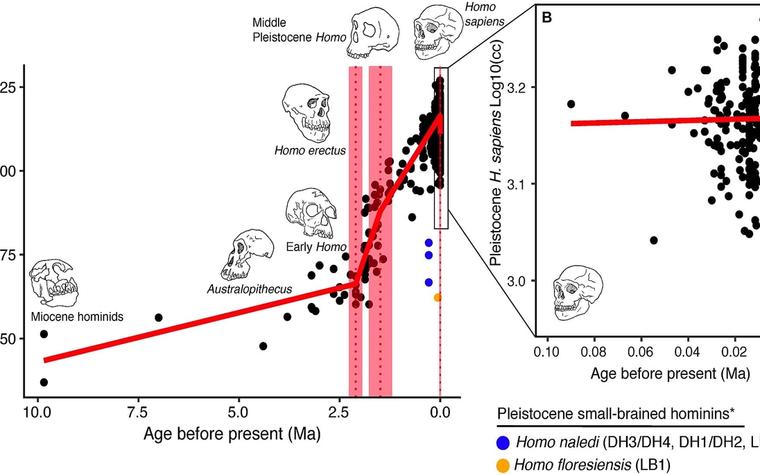
A Monash University researcher argues the family tree of early human relatives should be simplified, folding Australopithecus and Paranthropus into an expanded genus Homo. The proposal, published in the American Journal of Biological Anthropology, challenges decades-old classification rules.

A new analysis from the King's Fund finds obesity among English adults has doubled since 1993, reaching a record 30% in 2024, even after successive governments launched 14 separate strategies to curb it.
German-led researchers report that bacteria and archaea, the two oldest branches of life, may have independently crossed the threshold into free-living cells roughly four billion years ago, even though both share a single ancient genetic code.
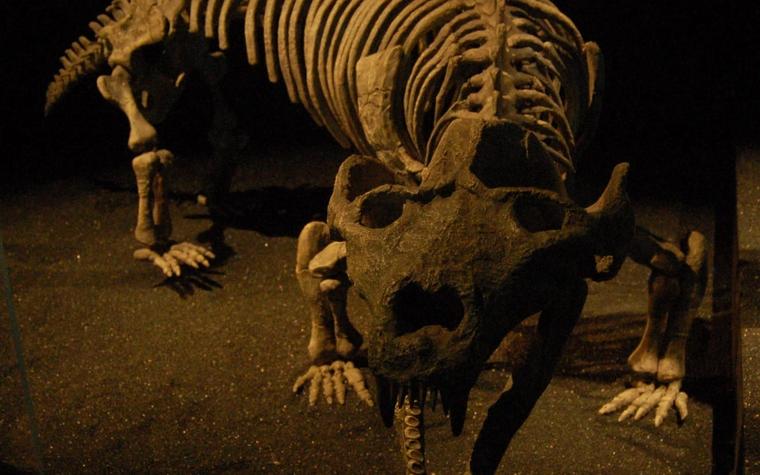
A newly analysed fossil of Chiniquodon theotonicus indicates this ancient relative of mammals gave birth to live young, pushing the origin of that trait back tens of millions of years.
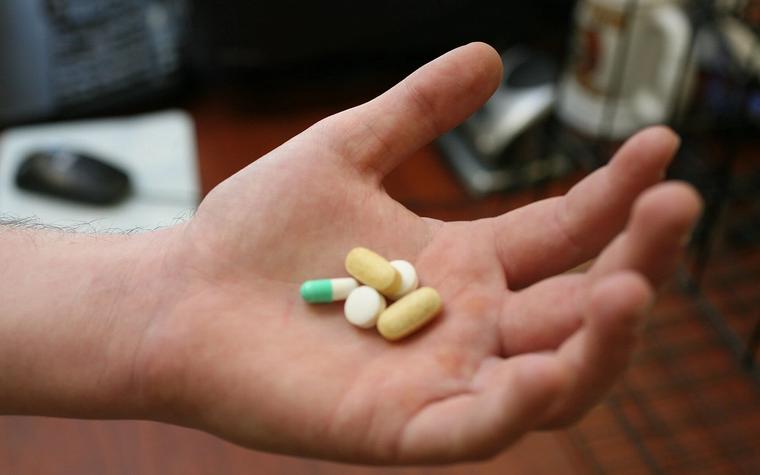
A once-daily tablet called aleniglipron helped adults with obesity lose up to 12.1% of their body weight over 36 weeks, according to a mid-stage trial published in Nature Medicine. Unlike Wegovy or Ozempic, it does not require injection.
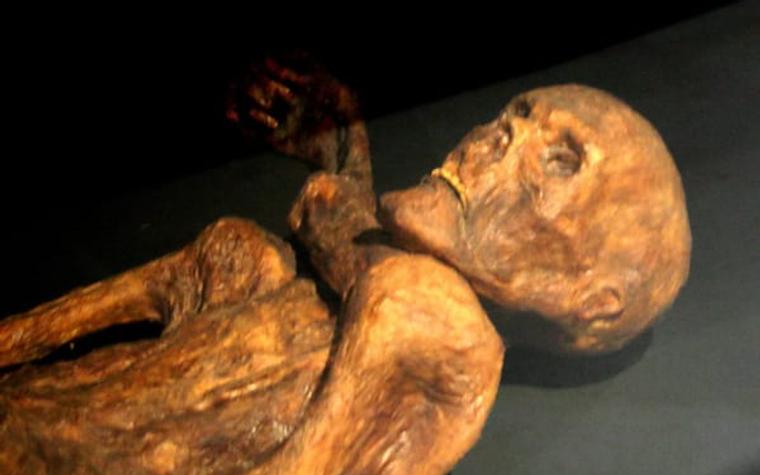
Researchers in Italy have separated 5,300-year-old microbes from modern contamination on the famous Alpine mummy, finding surviving gut bacteria and yeasts that may have travelled with him in the glacier for millennia.

Decades after Linus Pauling's high-dose vitamin C claims were discredited, researchers say intravenous vitamin C behaves like an experimental drug, not a supplement, and may help some cancer patients when combined with standard treatment.

A four-week UK trial found adults who added a daily glass of 100% fruit juice or a smoothie to their diet reported lower depression scores than those who ate only whole fruit and vegetables. The study was small and industry-funded, researchers caution.
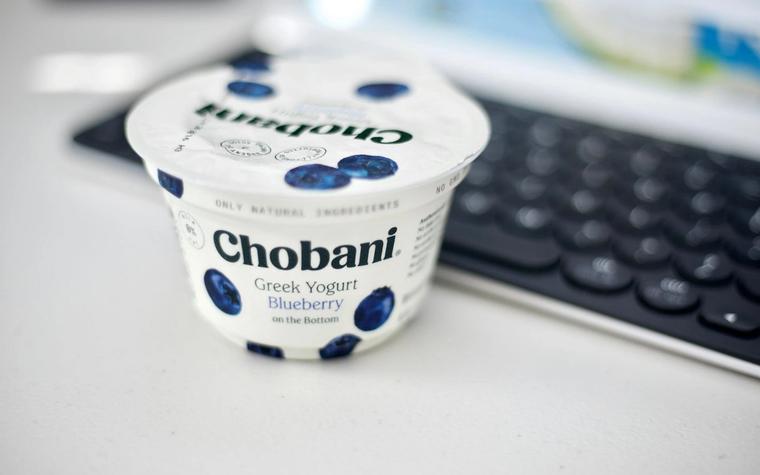
A 12-week Canadian trial found that adults who ate three servings of full-fat dairy daily saw no rise in weight, body fat or cholesterol, and their blood pressure improved. The findings challenge decades of advice steering Europeans toward low-fat dairy.

Satellite data show a broad current of molten iron deep inside Earth switched direction beneath the Pacific in 2010, defying decades of assumptions about the planet's interior. Researchers say the flow now appears to be weakening.
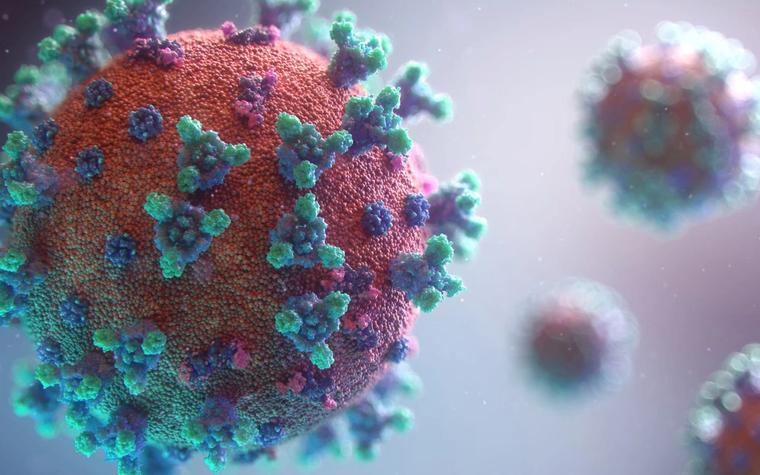
German researchers report that microbes living in flooded uranium mine water can turn toxic dissolved uranium into an unusually stable compound, removing about 95% of it within 130 days.
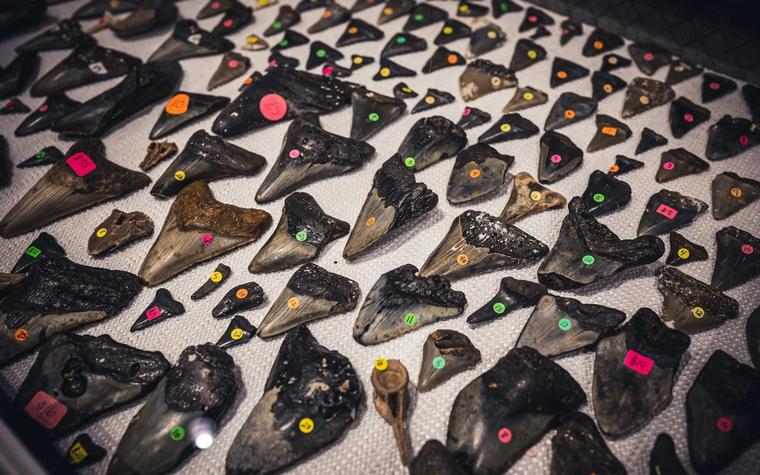
Fossil vertebrae feared destroyed in a 1989 museum move have turned up in Denmark. New analysis of the specimen supports estimates that the extinct megalodon shark grew beyond 24 metres and lived for close to a century.
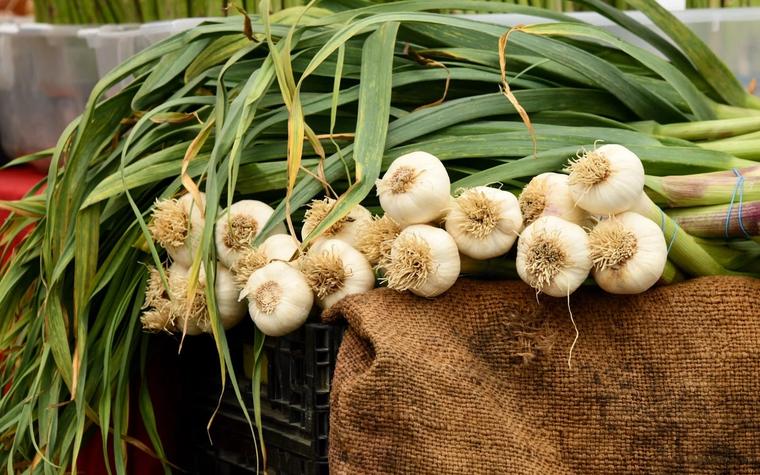
Kyushu University researchers have shown that nanoscale droplets of garlic and spearmint compounds can kill a major stored-bean pest while sparing its natural predator and boosting seedling growth.
![Rare Book Division, The New York Public Library. "Secunda pagina figurarum capitalium. [Human brain, 5 pictures]" The New York Public Library Digital Collections. 1545.](https://cdn.sanity.io/images/gt4b4gx5/production/28a5ba9b3044077d150cfaa4d5ccb7281a2fd406-1920x1280.png?rect=0,40,1920,1200&w=760&h=475&q=75&fit=crop&auto=format)
A study from the University of Southern California has mapped a precise biological pathway by which the gut tells the brain what to remember. Early-life junk food diets blunt the same signalling circuit implicated in Alzheimer's disease.

A major US clinical trial has found that silver diamine fluoride, a liquid painted onto teeth in seconds, halted decay in more than half of treated baby teeth. The findings could finally push regulators to approve it as a formal cavity treatment.

Physicists at CERN's CMS experiment have made the most precise measurement yet of a quantum asymmetry thought to explain why the universe contains matter at all. The results, drawn from three years of collider data, confirm the Standard Model but tighten the net around any hidden new physics.
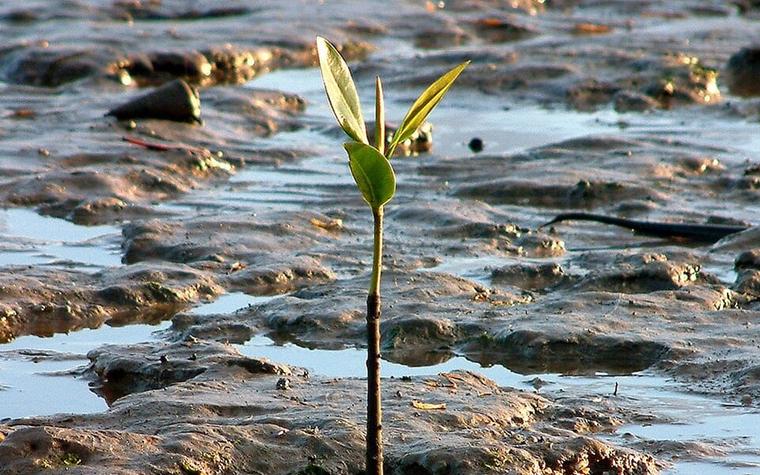
Teeth and jaw fragments from a Queensland fossil site have led scientists to propose a new marsupial order that may have lived on the continent for 35 million years. The lineage left no known descendants.
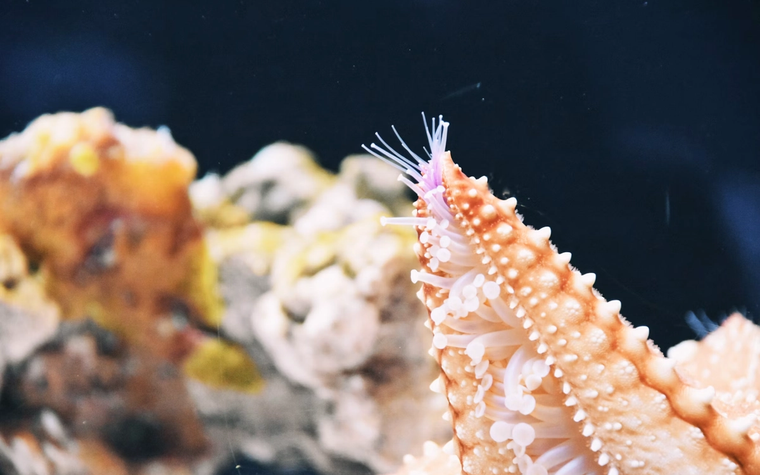
Scientists in Vienna have formally proposed a new category of natural material, dubbed "bio-metals", after studying the metal-reinforced jaws of a common marine bristle worm. The findings, could guide the design of tough, lightweight materials produced without industrial forges or furnaces.