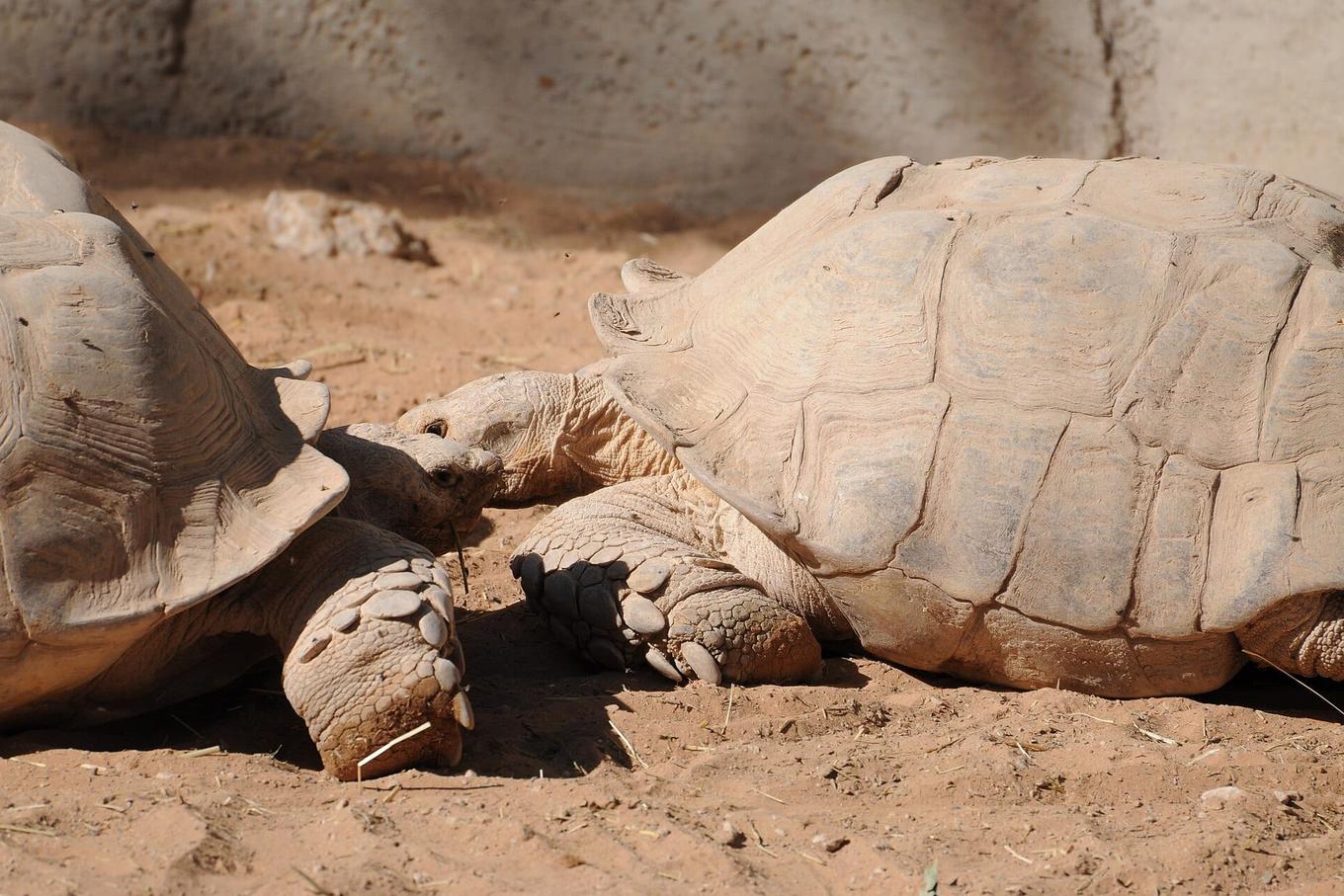
A new survey of Aldabra Atoll in the Seychelles has produced the largest population estimate ever recorded for the Aldabra giant tortoise, putting the number at approximately 180,000, with a best estimate of around 183,000 individuals. The figure now exceeds the entire human population of the Seychelles, estimated at roughly 122,000, according to CNN.
The study, led by the Seychelles Islands Foundation (SIF) and the University of Exeter, was published in the peer-reviewed journal Ecology and Evolution. It draws on five years of count data collected by SIF staff living and working on the remote atoll between 2018 and 2022.
From near extinction to record numbers
The species’ history is one of dramatic swings. Hunting and exploitation in the 19th century reduced Aldabra’s tortoises to fewer than 1,000 individuals, according to the University of Exeter. A census in 1973-1974 produced a revised estimate of about 129,000, but a follow-up survey in 1997 suggested numbers had fallen to around 100,000, a figure that became the standard reference point for nearly three decades.
Aldabra was declared a strict nature reserve in 1981 and designated a UNESCO World Heritage Site the following year, protections that researchers credit with the long-term recovery. Feral goats, which had damaged the atoll’s vegetation, were eradicated in 2012, though feral cats and black rats remain present and are known to prey on tortoise eggs and hatchlings.
“More than 180,000 giant tortoises roaming freely on our atoll is proof of what long-term commitment to conservation can achieve.” — Frauke Fleischer-Dogley, CEO of the Seychelles Islands Foundation
Counting tortoises in dense vegetation
Aldabra’s dense scrub, mangrove and Pemphis habitats make direct counts unreliable, since many tortoises are simply hidden from view. Tortoises occur at the highest densities in Aldabra’s open grassland, known locally as ‘tortoise turf’, and are far harder to detect elsewhere on the atoll.
To address this, the research team used statistical modelling to estimate how many tortoises were likely present but unseen, rather than relying on a simple headcount. Nancy Bunbury, a study co-author and island biologist at the University of Exeter, said the atoll’s vegetation has long complicated monitoring efforts.
“By modelling what we didn’t see, as well as what we did, we’ve produced the most reliable baseline yet for this iconic Seychelles species, establishing a benchmark we can use to track the population for decades to come.” — Nancy Bunbury, University of Exeter
Dave Hudson, a postdoctoral research associate at the University of Exeter’s Cornwall campus and another co-author, cautioned against treating the figure as a finishing line. “It’s important to remember that the numbers provide a baseline, not an endpoint,” he said, adding that researchers hope the data will help conservation managers “track future change and act early as the tortoises face increasing pressures from climate change, drought and invasive species.”
The researchers describe the population as relatively stable over the study period, but say continued monitoring will be essential given the mounting environmental pressures facing the atoll, which hosts the world’s largest free-roaming population of giant tortoises.
This article is free to read. It always will be — no paywall, no account, no tracking.