Every year, thousands of young children in the United States are taken to emergency departments with toothache and infection that doctors there cannot treat. Many end up in operating theatres, undergoing surgery under general anaesthesia to address decay that could, a new study suggests, have been stopped with a few drops of liquid and a tiny brush.
A Phase III clinical trial led by the University of Michigan, published in JAMA Pediatrics, has found that silver diamine fluoride (SDF) arrested tooth decay in more than half of treated baby teeth when applied every six months. The trial enrolled 830 children younger than six, recruited through dental offices, paediatric medical practices, and Head Start programmes across Michigan, New York, and Iowa.
No drill, no needle, no sedation
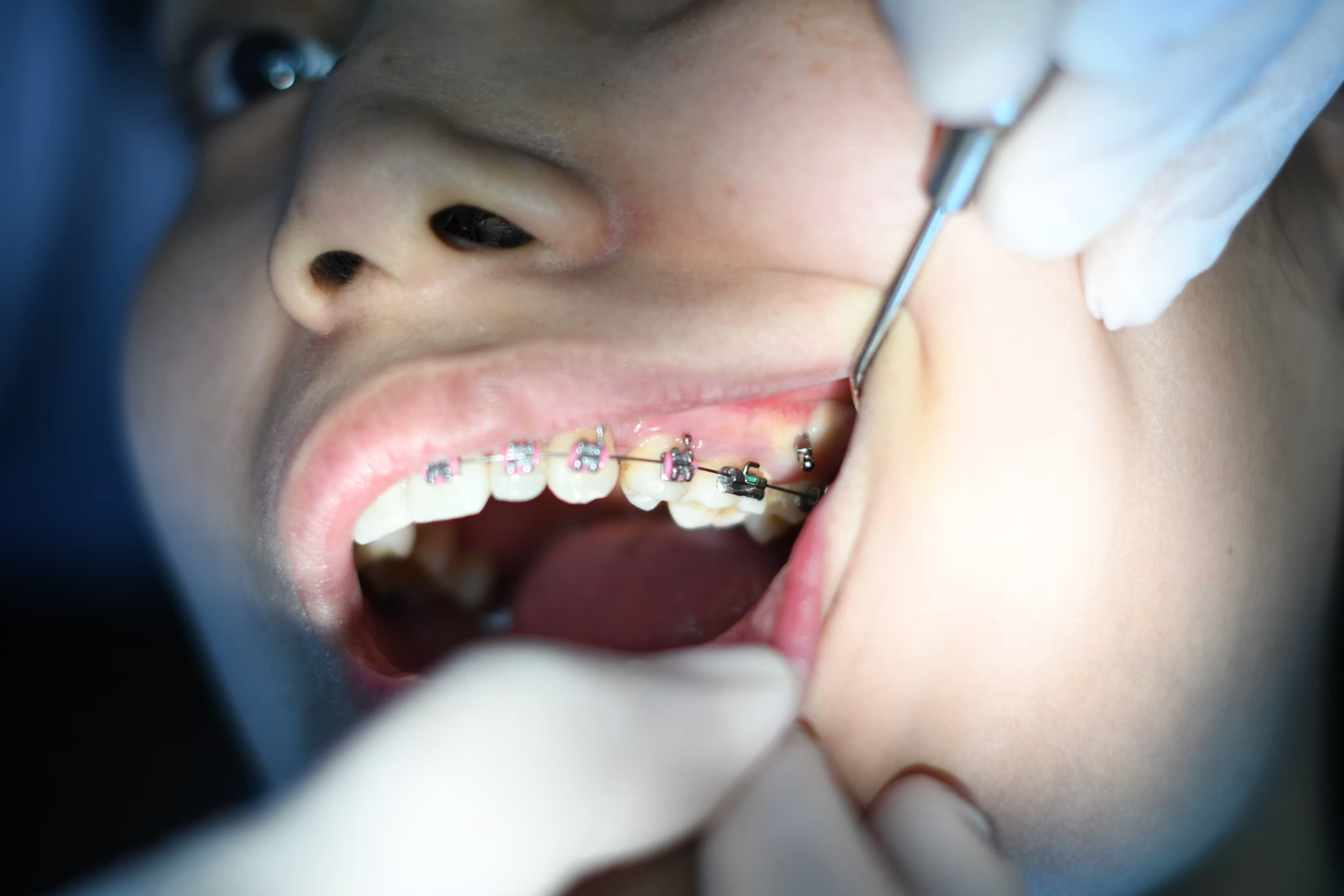
SDF is a clear liquid applied directly to a cavity using a small sponge-tipped brush, a process that takes only seconds per tooth. Unlike conventional fillings, the treatment requires no drilling to remove damaged material, no anaesthetic injection, and no sedation. According to ScienceDaily, which reported on the University of Michigan findings, the treatment does permanently darken the decayed area, which remains its most significant cosmetic drawback.
“This is a very effective and safe treatment — even in children as young as 1,” said Margherita Fontana, professor at the University of Michigan School of Dentistry and lead investigator of the study.
The trial was conducted with collaborators from New York University, the University of Iowa, and Indiana University, alongside the National Institute of Dental and Craniofacial Research, part of the US National Institutes of Health. The product tested, Advantage Arrest 38% SDF, was provided by Elevate Oral Care. The data generated is intended to support a formal drug application to the US Food and Drug Administration (FDA), which has so far only approved SDF as a medical device for treating tooth sensitivity, not as a cavity treatment.
A treatment the world already knows
SDF is not new. It was developed in Japan in the 1960s and has since been used for decades in countries including China, Australia, Brazil, and Argentina. Dentists in the United States have used it off-label for cavities since 2014. What has been missing, and what this trial now provides, is the large-scale, randomised clinical evidence the FDA requires before it can be formally approved for that purpose.
The global context gives the findings particular weight. According to the World Health Organization, dental caries affects approximately 2.5 billion people worldwide, including around 514 million children. For low- and middle-income countries, where access to dental drills and anaesthesia is limited, a liquid treatment that is inexpensive, quick, and requires minimal equipment could represent a meaningful shift in public health capacity. A systematic review in Frontiers in Oral Health found that SDF’s caries arrest rate across trials ranged from 25% to 99%, depending on the study setting and application frequency.
“SDF is a valuable strategy for caries management in young children, elderly people, and patients with special needs,” according to a review of global oral health policies published in the same journal.
The treatment’s cosmetic limitation, the permanent black staining it leaves on treated decay, remains a genuine barrier to wider acceptance, particularly in visible front teeth. Researchers and clinicians acknowledge that some parents decline it for this reason. Whether formal FDA approval changes the calculus for families and insurers in the United States, and prompts other national regulators to revisit their own guidance, will depend in part on how persuasively the new trial data is presented in the months ahead.
This article is free to read. It always will be — no paywall, no account, no tracking.