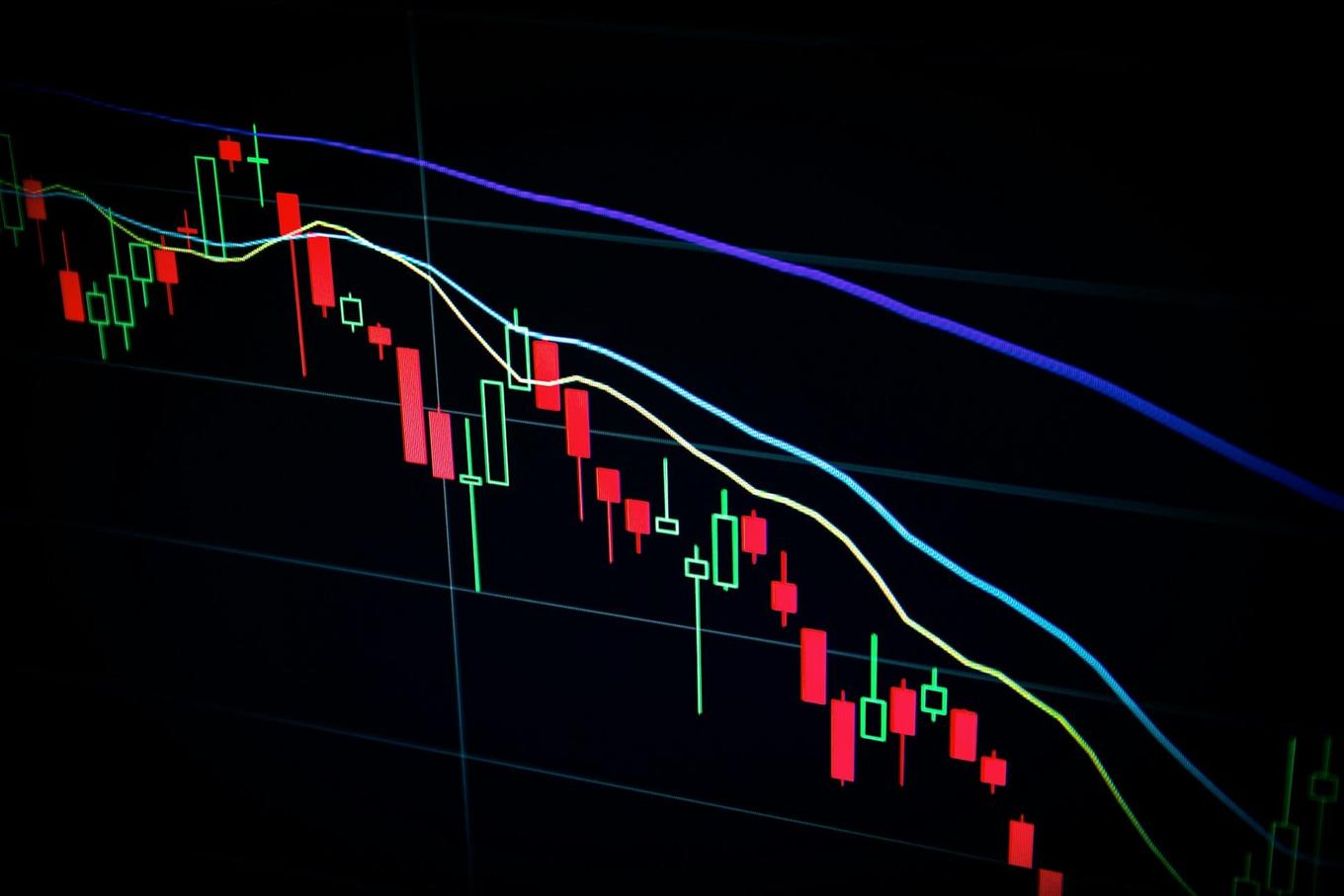
Wall Street’s enthusiasm for artificial intelligence stocks turned to alarm last week, as a sharp sell-off pushed the S&P 500 and Dow Jones Industrial Average into correction territory, commonly defined as a drop of 10% or more from a recent high. The S&P 500 fell 3.7% on Friday 20 November, its steepest weekly decline in more than a year and a half, according to CNBC and other US outlets. The Nasdaq Composite, heavy with technology shares, erased all of its gains for 2026.
Nvidia, the chipmaker whose products underpin much of the AI boom, dropped roughly 14% on Friday to an 18-month low, Breitbart reported. The sell-off deepened a day after Anthropic, the AI company behind the Claude chatbot, saw its shares fall sharply following its stock market debut, adding to investor unease about whether AI valuations have run too far ahead of profits.
Asia bears the brunt
The sell-off hit Asian markets even harder over the following days. Taiwan’s TAIEX index suffered its worst weekly performance since 1991, falling about 17.5% in the week to 20-21 November, according to FourWeekMBA and KuCoin News. South Korea’s Kospi fell 5.2% on Friday and continued sliding around 3% on Monday, at one point sitting roughly 47 to 48% below its June 2026 peak, according to the Korea Times.
Both markets have heavy exposure to chipmakers that supply the AI industry, including Samsung Electronics and SK Hynix, which made them particularly vulnerable to the US tech rout, according to the Guardian’s live coverage of the sell-off.
Governments step in
Authorities in all three markets moved over the weekend to contain the damage. South Korea’s finance ministry said on Sunday it would ready its 10.76 trillion won (roughly $8bn) stabilisation fund, matching the scale used during the 2020 Covid-19 market rout, and is giving listed companies more room to buy back shares for three months starting 24 November.
Taiwan’s Financial Supervisory Commission imposed a broad short-selling ban effective Monday, barring investors from selling listed stocks below the previous day’s closing price, and raised short-sale margin requirements to 150%. China’s Shanghai and Shenzhen exchanges, with regulatory approval, cut the minimum margin financing ratio for leveraged stock purchases to 80% from 100%, effective Sunday.
Some analysts questioned whether the measures go far enough. Strategist Manishi Raychaudhuri noted that South Korea’s stabilisation fund may be too small relative to the Kospi’s daily trading turnover of more than 40 trillion won.
There’s nothing surprising in the overnight bounce after the waterfall moves of last week, but investors can’t emerge from their shelters just yet. Such selloffs rarely turnaround in a day. Markets still seem to be in a mood to cut back risk, and it is far from clear that stocks have reached the kind of bargain valuations needed to tempt investors back in to the water.
The quote was attributed to Chris Beauchamp, chief market analyst at IG, speaking to the Guardian.
Markets showed tentative signs of recovery on Monday. Taiwan’s TAIEX rose about 2% after the support measures were announced, and US equity-index futures rallied in Asian trading hours, with Nasdaq 100 futures up about 3% and S&P 500 futures up about 2%. South Korean officials said long-term AI growth expectations remain intact, describing the weekend’s measures as support actions rather than a sign the sell-off has run its course.
This article was researched and drafted with AI assistance and reviewed by Lasse Pedersen before publication. How we use AI
This article is free to read. It always will be — no paywall, no account, no tracking.