The United States has imposed sanctions on the president of the International Criminal Court (ICC), Judge Tomoko Akane of Japan, and Abdoulaye Seye, a senior trial lawyer at the court from Senegal. The designations, confirmed on the US Treasury Department’s website, freeze any US assets the two may hold and bar them from entering the country.
Secretary of State Marco Rubio said the two officials had directly engaged in ICC efforts to investigate, arrest, detain or prosecute officials whose governments have not consented to the court’s jurisdiction, a reference to cases touching the United States and Israel. He said the individuals had “directly engaged in efforts by the ICC to investigate, arrest, detain, or prosecute officials whose government has not consented to ICC jurisdiction.”
Part of a wider campaign
The sanctions build on an executive order signed by President Donald Trump in February 2025, which initially targeted then chief prosecutor Karim Khan over the court’s arrest warrant applications for Israeli Prime Minister Benjamin Netanyahu and its investigation into alleged war crimes by US and allied forces in Afghanistan. Washington is not a member of the ICC and does not recognise its jurisdiction over its nationals or those of Israel.
The sanctions freeze any US assets the individuals may have and cut them off from the US financial system, with which almost all internationally operating banks have close ties, the Jerusalem Post reported. Rubio had signalled last month that the administration intended to intensify pressure on the court, including a diplomatic push encouraging other countries to withdraw from it, according to Arab News.
European pushback
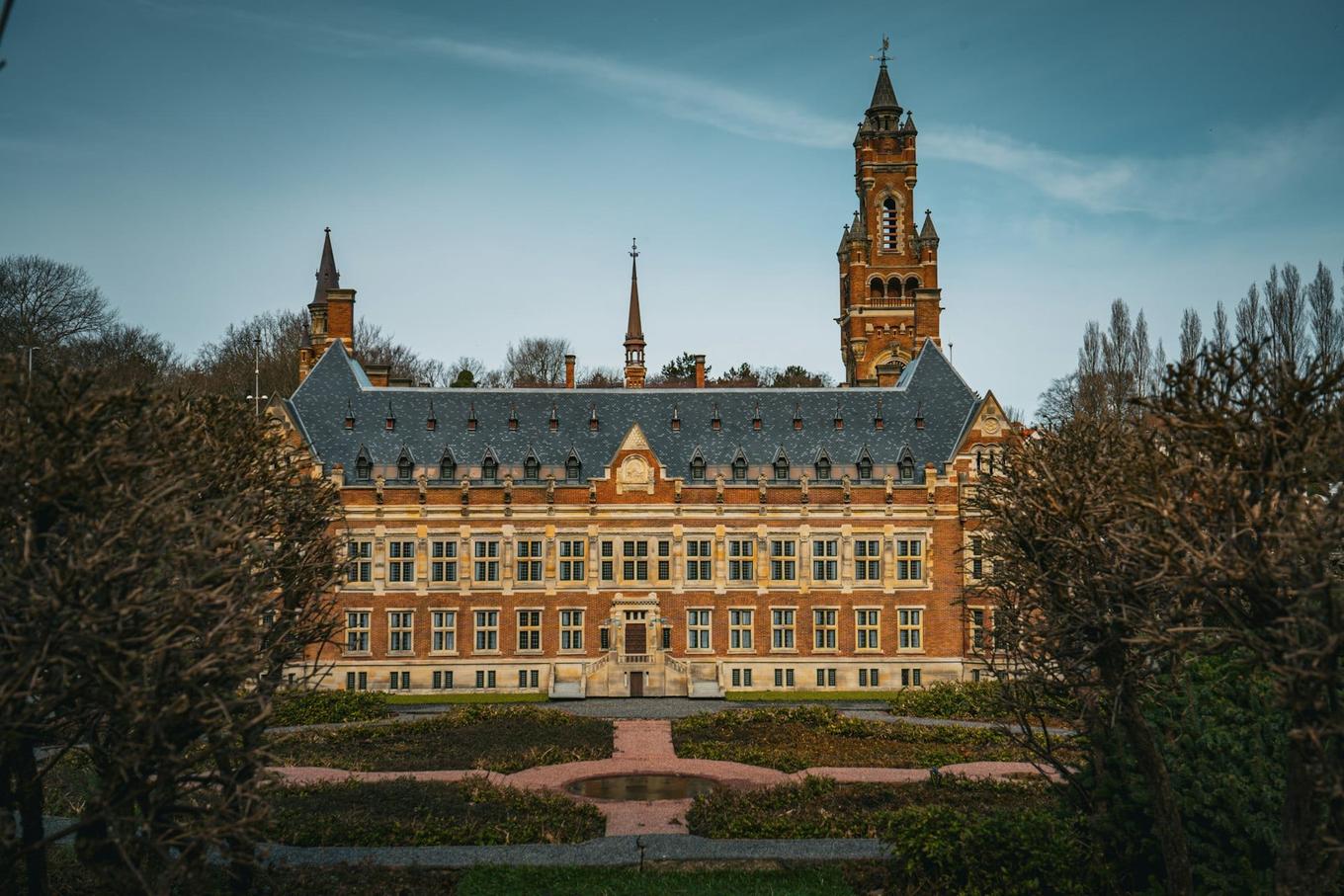
The ICC, based in The Hague and established in 2002 under the Rome Statute, is backed by 125 member states, most of them European Union countries. Brussels has repeatedly defended the court as sanctions have widened to include several ICC judges beyond Khan and Akane.
“Rubio is dressing up his quest for impunity for American war crimes abroad under the label of national sovereignty,” said Kenneth Roth, former Human Rights Watch executive director, as reported by Euronews.
Akane herself has criticised the campaign. Speaking to Japanese media earlier this year, she said the sanctions “have had impacts on third countries, and they violate international law,” warning that they risk undermining the rule-of-law system the court depends on.
The dispute has also reached the courts. Three ICC judges sued the Trump administration in June, arguing the sanctions were unlawful, according to the Jerusalem Post. For European governments, many of which have championed the ICC since its founding as a pillar of postwar international justice, the widening sanctions regime raises difficult questions about how far allies are prepared to go in defending the court’s independence against pressure from Washington, a NATO partner that remains outside the institution it is targeting.
This article was researched and drafted with AI assistance and reviewed by Lasse Pedersen before publication. How we use AI
This article is free to read. It always will be — no paywall, no account, no tracking.