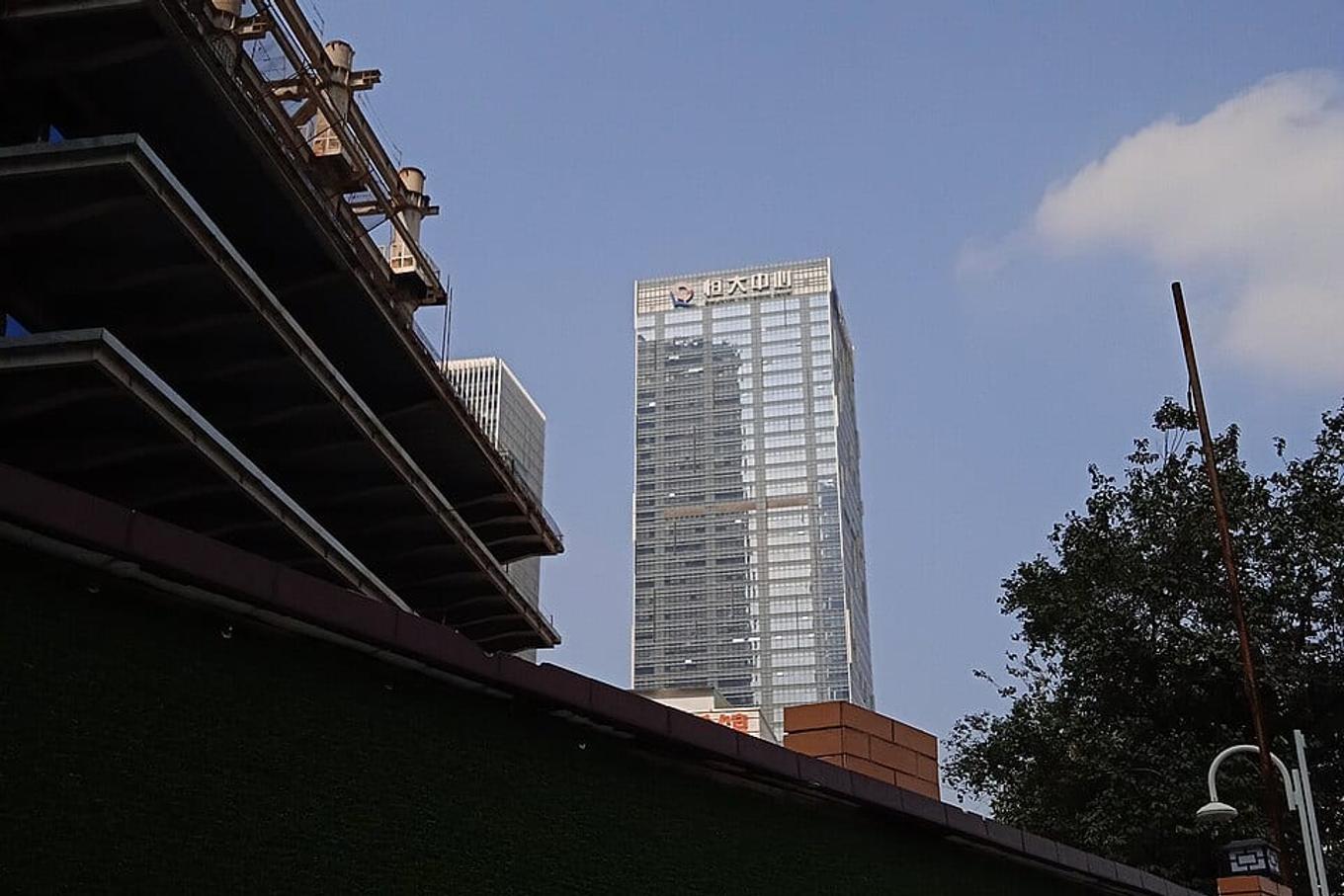
A court in Shenzhen has sentenced Hui Ka Yan, the founder of China Evergrande Group, to life in prison, closing out one of the most consequential corporate collapses in modern Chinese history.
The Shenzhen Intermediate People’s Court convicted Hui, also known by his Mandarin name Xu Jiayin, of large-scale financial fraud, including inflating the group’s assets while concealing its liabilities, as well as bribery and misappropriation of company funds.
Assets seized, political rights stripped
Hui was ordered to forfeit all his personal property and was stripped of all political rights for life. The court also fined China Evergrande Group 8.82 billion yuan (roughly $1.23 billion) and its main operating unit, Evergrande Real Estate, 7 billion yuan (roughly $1.04 billion), a combined penalty of about $2.4 billion.
Hui pleaded guilty in April to multiple charges, including fundraising fraud, bribery and misuse of funds. He was not sentenced alone: 56 other individuals connected to the case, among them senior Evergrande executives and Hui’s two sons, Xu Tenghe and Xu Zhijian, received prison terms ranging from 22 months to 18 years for offences including fraud and illegally taking public deposits.
A crisis five years in the making
Evergrande’s troubles date back to 2021, when it defaulted on its debts after Chinese authorities tightened credit for heavily leveraged property developers. At the time, the company had accumulated more than $300 billion in liabilities, making it the world’s most indebted developer and turning it into the epicentre of a broader crisis that rippled through China’s property sector, once a pillar of the national economy.
Evergrande was delisted from the Hong Kong Stock Exchange in 2025 following a prolonged trading suspension, after a Hong Kong court had already ordered the company into liquidation. Liquidators are still trying to recover assets, including from Hui’s ex-wife, Ding Yumei, in an effort to compensate creditors left exposed by the collapse.
This is not the first time regulators have moved against Hui. In 2024, China’s securities regulator, the CSRC, separately fined him 47 million yuan (about $6.5 million) and banned him from the securities market for life, after finding that Evergrande’s main unit had falsified revenue for 2019 and 2020 by a total of roughly $78 billion.
From richest man in Asia to life sentence
At his peak, Hui Ka Yan was Asia’s richest person, with a net worth reported at $45.3 billion, built largely on Evergrande’s rapid expansion into real estate, electric vehicles and other ventures. His fall mirrors the broader reckoning facing China’s property sector, where years of debt-fuelled growth left developers, homebuyers and international bondholders exposed when the market turned.
This article was researched and drafted with AI assistance and reviewed by Lasse Pedersen before publication. How we use AI
This article is free to read. It always will be — no paywall, no account, no tracking.