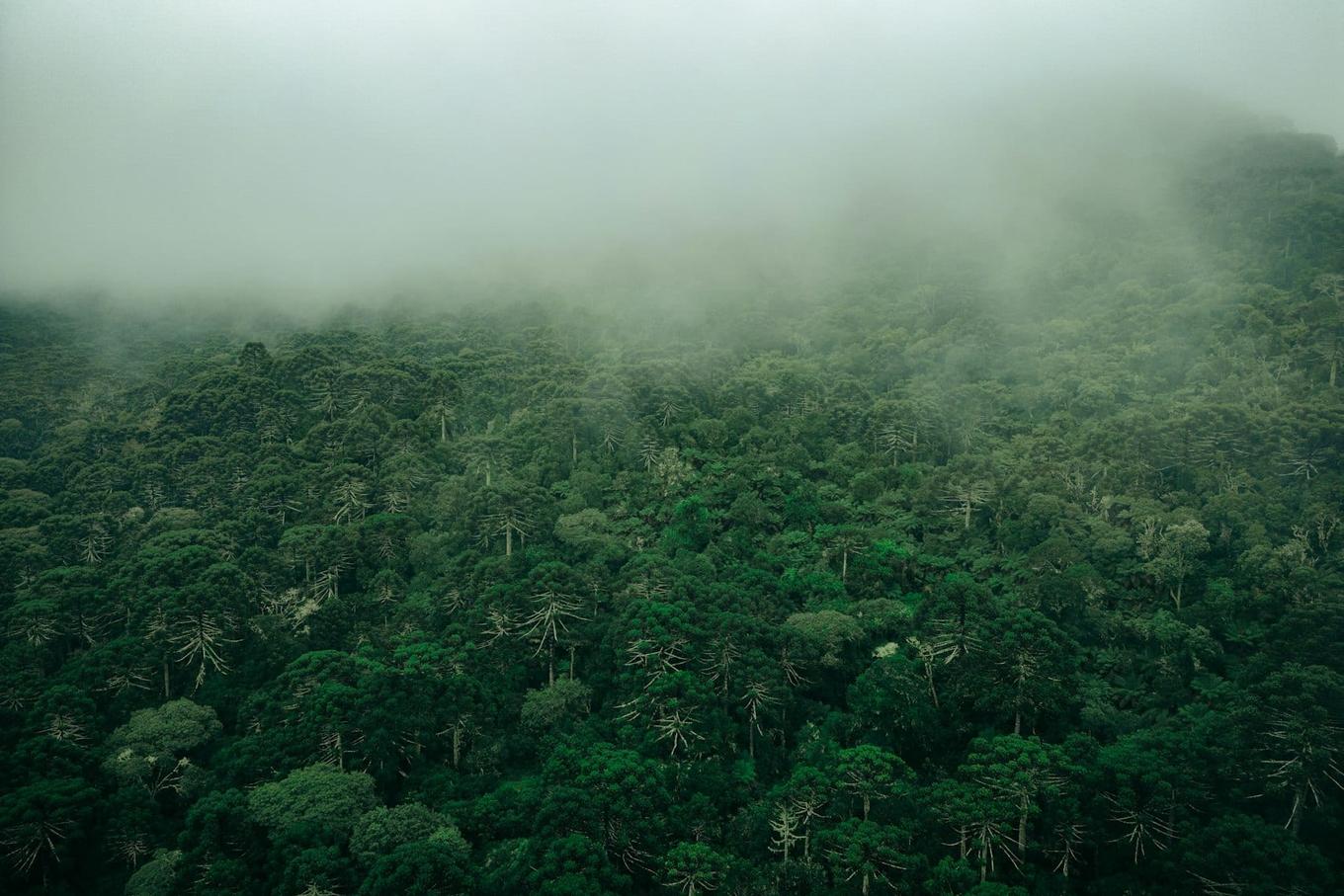
Fires are spreading rapidly across Brazil’s Pará state, with satellite data showing a sharp jump in hotspots this November compared with a year earlier, according to Amazon Watch. The surge has pushed state authorities to declare an emergency and has drawn renewed protests from Indigenous communities who say the fires are being used to clear land illegally.
Brazil’s federal environmental agency, Ibama, recorded about 9,000 heat spots across the Amazon in October alone. In Pará specifically, more than 3,500 hotspots were detected in just the first ten days of November, roughly three times the figure for the same period in 2025, Amazon Watch reported. By mid-November, the state had logged more than 5,000 fires, a tally close to the entire November total recorded the previous year, according to World Today News, citing RFI.
‘Almost no fire is natural’
Jair Schmitt, president of Ibama, told Rio Times Online in an interview published on November 14 that fire is being used deliberately as a method of deforestation, particularly in western Pará. He said almost none of the fires burning in the region occur naturally.
Indigenous leaders in the Lower Tapajós region echo that assessment, saying fires are deliberately set to clear forest for land grabbing, cattle ranching and industrial agriculture. Amazon Watch notes that Indigenous territories consistently show some of the lowest deforestation and fire rates in the Amazon compared with surrounding land.
Pará’s state government declared a 120-day environmental and climate emergency on November 11, covering a population of 8.7 million residents affected by drought, according to the state government, cited by Malay Mail. A separate 180-day Level II state emergency was issued for fire-affected areas on November 14. Brazil’s federal civil defence authority had already recognised emergencies in 12 Pará municipalities as of November 3, eight of them specifically for forest fires. Ibama has deployed around 600 personnel, 85 vehicles and 17 aircraft to fight the fires, Schmitt told Rio Times Online.
The current drought is linked to a strong El Niño climate pattern compounded by underlying climate change, which some scientists say could rank among the most intense El Niño events on record. In neighbouring Amazonas state, the city of Manaus closed schools in early October because of health risks from smoke drifting in from nearby fires.
River blockade over land rights
On November 14 and 15, more than 600 Indigenous people from the Lower Tapajós halted an oil barge and a soybean barge on the Tapajós River, during the ninth edition of the ‘Grito Ancestral’ (Ancestral Cry) mobilisation, Mongabay reported. The action was organised to demand formal demarcation of Indigenous ancestral territories and protection of the river from industrial expansion.
Our children need this river, just as we need this river. — Jackson Tapajós, executive secretary, Tupinambá Indigenous Council
Of twelve territories represented in the Lower Tapajós Ancestral Territories Regional Forum, five are still waiting for Brazil’s National Indigenous Peoples Foundation, FUNAI, to begin formal boundary studies: Tupinambá do Baixo Tapajós, Encantados/Kumaruara, Sarambiá, Terra Preta and Arapyun.
We want to know what’s missing in each case, who’s responsible for moving it forward, and by when. — Lukas Tupinambá, coordinator, Tapajós and Arapiuns Indigenous Council
Active fires are now threatening areas south of Santarém, including Tupinambá lands along the Tapajós River and nearby protected zones, according to Amazon Watch. With the dry season continuing and emergency measures only recently enacted, authorities and Indigenous groups alike say the coming weeks will determine how much further the fires spread.
This article was researched and drafted with AI assistance and reviewed by Lasse Pedersen before publication. How we use AI
This article is free to read. It always will be — no paywall, no account, no tracking.