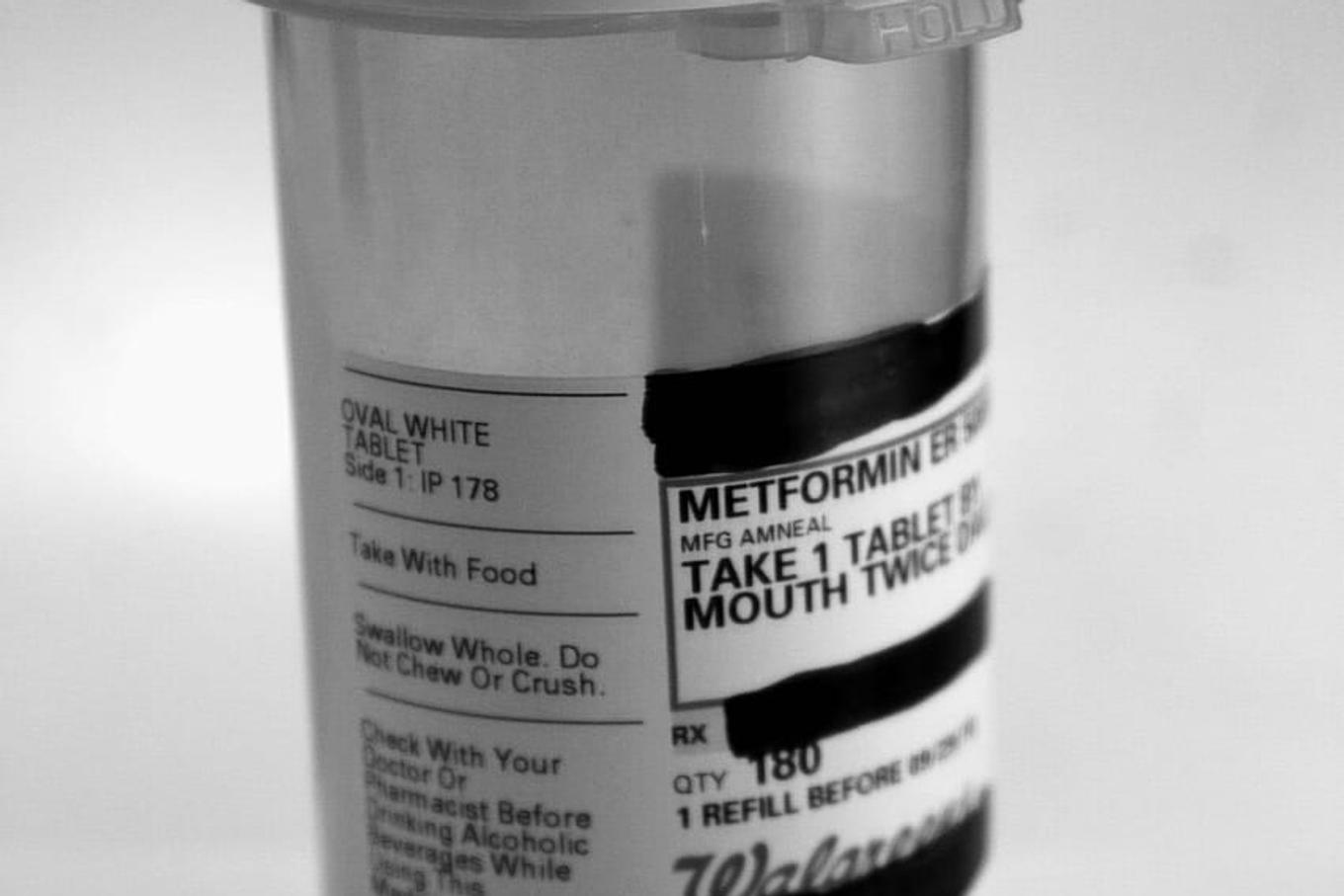
Metformin, a decades-old and inexpensive diabetes medication, may help prevent long COVID when given during the acute phase of infection, according to new trial data discussed on the TTHealthWatch podcast and reported by Pharmacy Times and other outlets.
A near-miss with a notable signal
The ACTIV-6 platform trial enrolled 2,983 outpatient adults aged 30 and over with mild to moderate COVID-19 across roughly 90 sites in the United States between September 2023 and May 2024. More than 83% of participants already had some immunity from prior vaccination or infection.
The trial’s main goal, measuring whether metformin reduced the presence of COVID-19 symptoms at 180 days using a strict statistical threshold, was not met. But a secondary analysis found something striking: clinician-diagnosed long COVID at six months was nearly halved in people who took metformin, compared with those on placebo (relative risk 0.495). No significant safety concerns emerged.
That finding was reinforced by a separate study using US electronic health records, led by Carolyn Bramante of the University of Minnesota Medical School. Among people without diabetes or prediabetes, starting metformin within six days of infection was linked to a 53% reduction in long COVID or death over six months, with 4.0% of the metformin group affected versus 8.5% of untreated patients. The results broadly match an earlier randomized trial, COVID-OUT, which found a 41% reduction in long COVID incidence after two weeks of metformin during acute infection.
The picture is less encouraging for people who already have long COVID. A smaller randomized trial testing metformin as a treatment, rather than a preventive measure, found no significant benefit after eight weeks; about 67% of participants recovered regardless of whether they received the drug.
Lowering a cholesterol-like particle doesn’t lower heart risk
Separately, two trials presented at the American Heart Association’s Scientific Sessions in November 2024 tested drugs designed to lower lipoprotein(a), or Lp(a), an inherited, cholesterol-like particle linked to heart disease risk for which no approved therapy currently exists.
The HORIZON trial tested pelacarsen in patients with Lp(a) above roughly 148 nmol/L, the highest fifth of the population. The drug cut Lp(a) levels by an average of 78%, yet it made no difference to the rate of major cardiovascular events, even among patients with the very highest Lp(a) levels.
I cannot avoid the disappointing conclusion – it didn’t work.
That assessment came from Steven E. Nissen, chief academic officer at the Cleveland Clinic’s Miller Family Heart, Vascular & Thoracic Institute, according to the American Heart Association newsroom.
A second, smaller trial called KRAKEN tested an oral drug, muvalaplin, in 233 high-risk adults with very high Lp(a) levels at 43 sites worldwide. It lowered Lp(a) by up to 70% on standard tests and up to 85.5% on a newer measurement method, with effects appearing within 24 hours. The trial was not designed to test cardiovascular outcomes, leaving open whether lowering Lp(a) this way can ultimately prevent heart attacks or strokes.
Taken together, the two sets of findings illustrate a recurring theme in medicine: a drug can clearly change a measurable biological marker, whether a COVID diagnosis category or a blood particle level, without that change translating into the outcome patients and doctors actually care about.
This article was researched and drafted with AI assistance and reviewed by Lasse Pedersen before publication. How we use AI
This article is free to read. It always will be — no paywall, no account, no tracking.