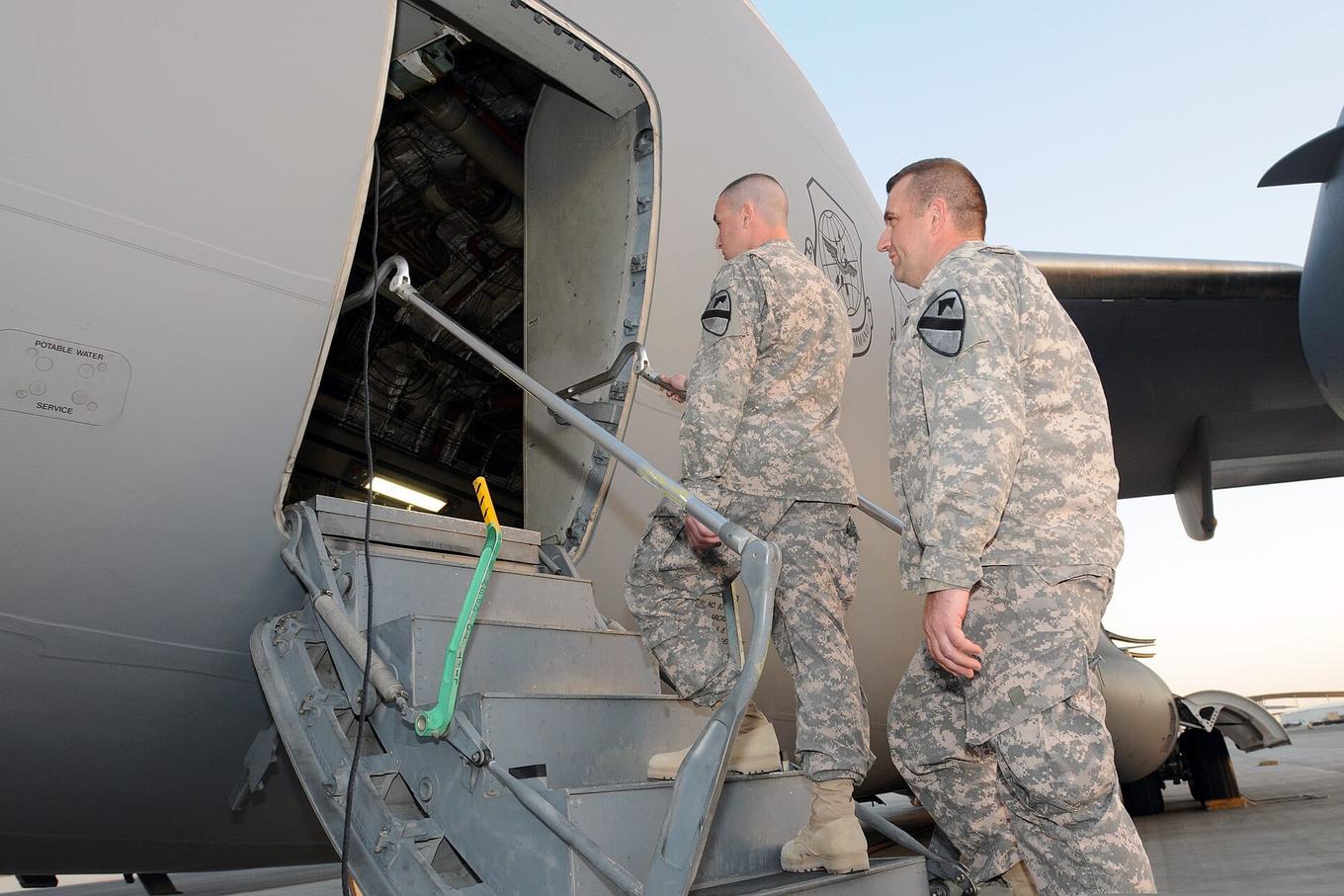
Six months into the war between the United States, Israel and Iran, Kuwait finds itself paying a price it did not choose. The Gulf state, a close American ally since being liberated from Iraqi occupation in 1991, has become a repeated target of Iranian and allied strikes precisely because it hosts US forces, according to AFP reporting.
At least 15 people have died in Iranian attacks on Kuwait since the conflict began in late February, including six US troops, four Kuwaiti soldiers and five foreign residents. Strikes have hit not only bases housing American personnel, such as Ali Al Salem Air Base, but also civilian infrastructure including water desalination plants and energy installations.
A shifting mood among Kuwaitis
For many Kuwaitis, the calculation once seemed simple: American troops were the guarantee against a repeat of 1990, when Iraqi forces occupied the country until a US-led coalition drove them out. That gratitude runs deep. But the war with Iran has introduced a harder question, whether the same troops that once saved Kuwait are now what makes it a target.
Of course we are paying the price for the presence of US forces.
The woman, a Kuwaiti national who declined to give her name, put the dilemma starkly to AFP. Yet even those voicing frustration are not calling for American forces to leave. “Just imagine if the American forces weren’t in Kuwait,” she added, a sentiment echoed by others who fear an Iranian military more emboldened without a US deterrent nearby.
Another resident described the toll the strikes have taken on daily life. “Targeting locations where the Americans are stationed has created fear and anxiety among residents,” the person told the South China Morning Post, which carried the AFP dispatch.
Caught between alliance and exposure
A senior foreign diplomat based in Kuwait summed up the bind facing the country’s leadership.
Kuwait recognises America’s key role in liberating it from Saddam Hussein, but it also recognises that it is now coming under Iranian attack because it hosts American forces.
Analysts say Kuwait, like other Gulf states hosting US Central Command assets, has little room to manoeuvre. Breaking with Washington while Iran remains aggressive would strip Kuwait of its main security guarantee at the worst possible moment. The kingdom has instead continued to accommodate American forces even as the attacks mount.
The war has also hit Kuwait’s economy directly. Iran’s closure of the Strait of Hormuz, through which about a fifth of global oil exports normally pass, cut regional oil flows to roughly a third of their usual volume by the end of March, according to the Baker Institute. For Kuwait, whose economy depends heavily on oil exports through the waterway, the disruption has compounded the security crisis with a financial one.
The regional order is shifting in other ways too. In August, Saudi Arabia, Pakistan and Turkey signed a mutual defence pact declaring that an attack on one would be treated as an attack on all, a move widely read as a response to the wider instability unleashed by the Iran war. Kuwait’s own position, tied closely to Washington, remains unchanged for now, but the private doubts voiced by its citizens suggest that alliance is being tested as never before.
This article was researched and drafted with AI assistance and reviewed by Lasse Pedersen before publication. How we use AI
This article is free to read. It always will be — no paywall, no account, no tracking.