Electric cars built by Chinese manufacturers have reached their highest ever share of the western European market, according to new industry figures, reviving debate over whether tariffs are doing enough to shield domestic carmakers.
Chinese brands’ share of battery electric vehicle (BEV) sales across 18 of the region’s biggest markets rose to 14.2%, or roughly one in every seven electric cars sold, in the first five months of 2026. That is according to data from Schmidt Automotive Research, cited by the Guardian, which put total sales at 171,800 vehicles, an increase of nearly five percentage points on the same period last year.
Britain leads, Italy surges
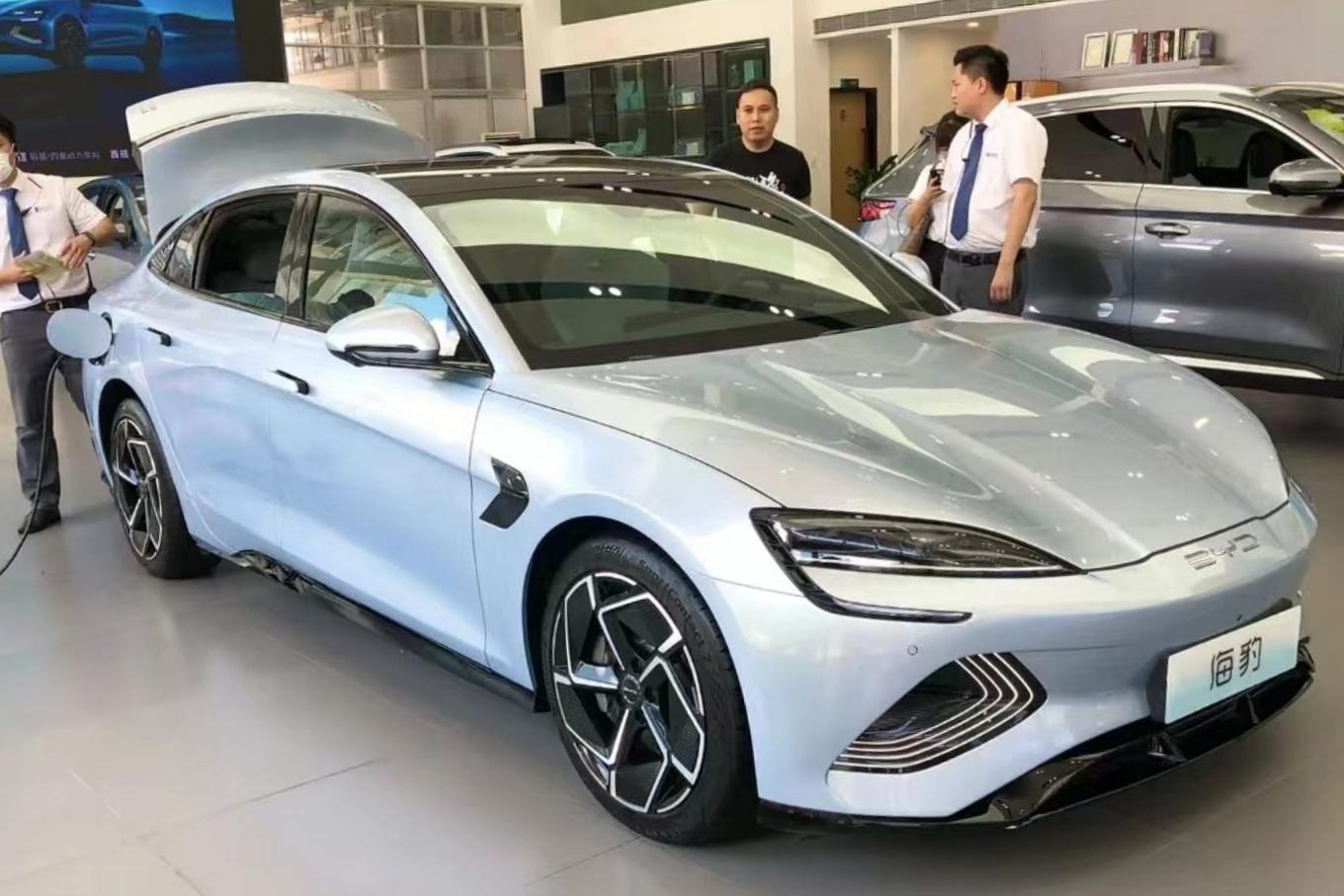
The United Kingdom remains the biggest single market for Chinese electric cars in Europe, accounting for a quarter of all Chinese BEV sales across the 18 countries tracked. Unlike the European Union, the UK government has not imposed additional tariffs on Chinese-made electric vehicles beyond the standard rate, making it a comparatively open door for brands such as BYD, Chery, SAIC and Xpeng.
Italy, meanwhile, accounted for a fifth of the total Chinese EV sales in the period, with Schmidt describing the surge as an “anomaly” tied to one manufacturer, Leapmotor, which sent large volumes of its cheap T03 model into the country to take advantage of local purchase subsidies.
Tariffs under strain
Analysts note that Chinese manufacturers are increasingly pivoting toward plug-in hybrids, which combine a petrol engine with a smaller battery and are not yet subject to the EU’s anti-subsidy tariffs on battery electric vehicles. BYD, in particular, has leaned into hybrids to sidestep the duties while continuing to expand its European footprint.
“I think they are hitting a wall when it comes to pure electric models,” said Matthias Schmidt, founder of Schmidt Automotive Research, on the growing competition among Chinese brands in the segment.
Some Chinese manufacturers are moving to bypass the tariffs altogether. BYD is building a factory in Hungary intended to let it sell cars made inside the EU tariff-free, though the plant’s mass production start has already been delayed to 2026, according to industry trade press. Building locally would let Chinese brands avoid import duties entirely while still competing on price with European rivals such as Volkswagen, Renault and Stellantis.
A political flashpoint
The figures are likely to fuel calls from European manufacturers and some policymakers for tighter quotas or higher tariffs, amid accusations that Chinese carmakers are dumping state-subsidised vehicles into the EU and UK to seize market share. European trade officials have previously argued that Chinese industrial policy, including subsidies tied to Beijing’s New Energy Vehicle plan, has helped local firms undercut competitors on price.
For now, though, the trend line points the other way. With the UK’s lighter tariff regime continuing to draw buyers and Chinese brands adapting their strategies, from localised manufacturing to hybrid models less exposed to EV-specific duties, the question facing Brussels and Westminster is whether existing trade defences can keep pace with a fast-moving competitor.
This article is free to read. It always will be — no paywall, no account, no tracking.