Oil prices pushed towards $90 a barrel on Tuesday as talks between Washington and Tehran over reopening the Strait of Hormuz collapsed, reviving concerns about supply disruption and inflation across Europe. Brent crude, the international benchmark used to price much of the continent’s fuel, has risen roughly 5% over two trading days.
The stalemate deepened after President Donald Trump added new conditions to any deal, demanding that Iran pay compensation for people killed in related conflicts and protests. According to Reuters, oil prices neared $90 a barrel on Tuesday as negotiations between the United States and Iran over a peace deal and the reopening of the Strait of Hormuz hit an impasse. The Strait, a narrow waterway between Iran and Oman, carries about one fifth of the world’s seaborne oil, according to the US Energy Information Administration.
A standoff with no clear end
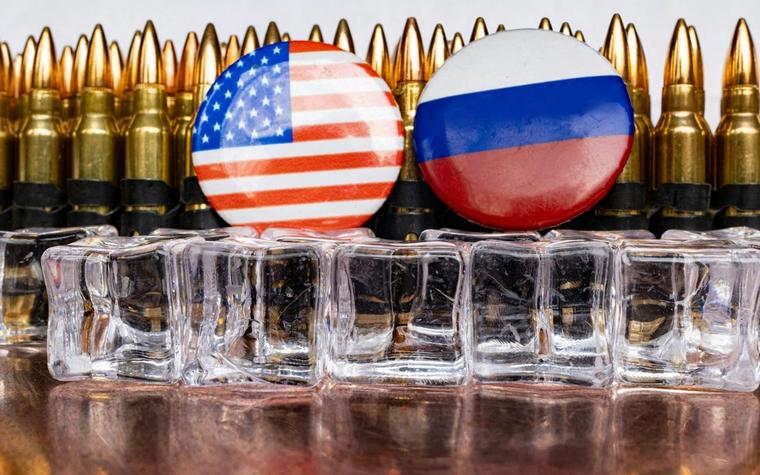
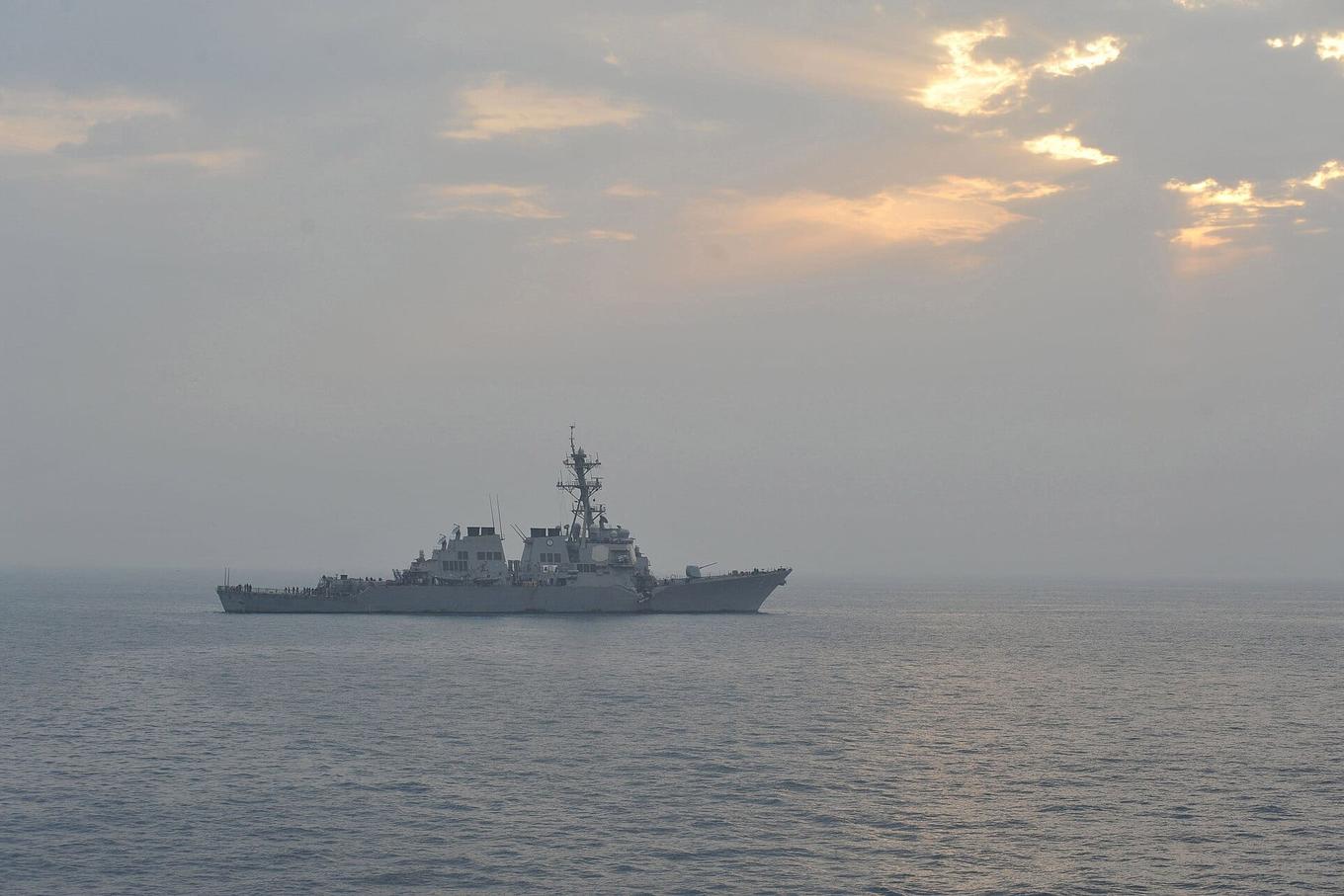
Market analysts describe the negotiations as a test of nerve on both sides. Tony Sycamore, a market analyst at IG cited by Reuters, described the situation as “a bit of a Mexican standoff, if you’d like, in terms of who blinks first”. Shipping traffic through Hormuz has thinned noticeably, with The National reporting that vessel numbers fell to just six on Tuesday, well below the recent ten-day average of around 11.
“We’re now in a bit of a Mexican standoff, if you’d like, in terms of who blinks first.” — Tony Sycamore, market analyst at IG
For European households and businesses already grappling with the cost of energy, the renewed volatility carries a familiar sting. Oxford Economics, a UK-based forecasting firm, has revised its oil price outlook to account for what it now expects to be a longer-lasting standoff. The consultancy’s global macro research director, Ben May, said the renewed hostilities between the US and Iran point to a protracted period of elevated prices rather than a swift resolution. Oxford Economics now expects Brent to average around $85 a barrel for the remainder of this year, easing to roughly $65 a barrel by the end of 2027, a downgrade of about half a percentage point on its earlier projections from February.
Travel firms feel the squeeze
The clearest sign yet of how the conflict is filtering through to ordinary consumers came from Tui, Europe’s largest holiday company, which is headquartered in Hanover. The group reported that pre-tax profit fell 43% to €153.4 million in the three months to the end of June, as it absorbed higher fuel costs from the Middle East conflict alongside pressure to cut prices amid softer demand and stiffer competition.
Underlying earnings at the group dropped 27% to €233.8 million in the quarter, while customer numbers slipped 3% to 9.9 million, according to reporting from the Yorkshire Post. Tui said it had absorbed an €81 million hit over the first nine months of its financial year from the Iran war and hurricanes in Jamaica, including a further €20 million direct impact on its cruise division during the third quarter alone. Its more commoditised Markets & Airline division swung from a €50 million profit a year earlier to a €17 million loss.
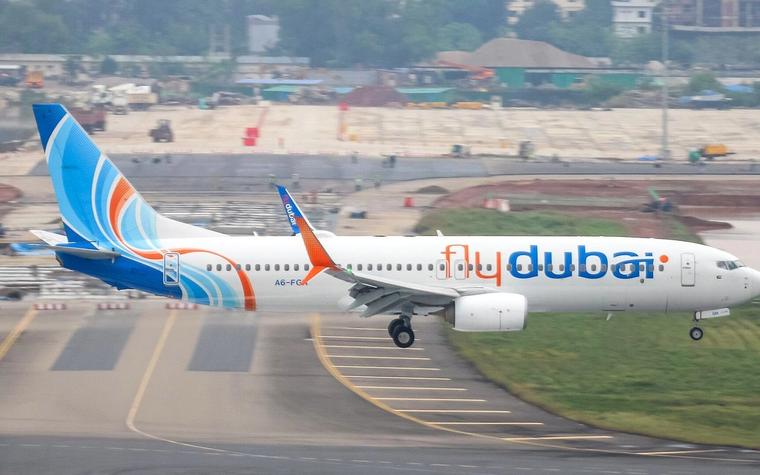
Not every airline is exposed equally. Fuel hedging, buying oil in advance at fixed prices, has cushioned some operators from the worst of the spike. United Airlines, for instance, said its fuel bill would be roughly $6 billion higher than expected this year but that it had already recovered much of that cost through fares, with full recovery expected by the fourth quarter.
For now, the direction of oil prices, and by extension the cost of flights, package holidays and household energy bills across Europe, hinges on whether Washington and Tehran can find a path back to the negotiating table. Analysts caution that the coming weeks are likely to bring further volatility rather than resolution, with the fate of the Strait of Hormuz remaining the single biggest swing factor for global markets.
This article is free to read. It always will be — no paywall, no account, no tracking.