Todd Blanche, the deputy attorney general and a former personal lawyer to Donald Trump, has formally withdrawn a proposal to create a compensation fund tied to the administration’s claims that federal law enforcement was politically “weaponised” against conservatives during Joe Biden’s presidency, the BBC reports.
A fund born out of grievance politics
The idea took shape after Trump’s return to the White House in January 2025, when the Department of Justice set up a Weaponization Working Group under Attorney General Pam Bondi to examine investigations and prosecutions the administration considered unfair. The review looked at cases including the FBI’s 2022 search of Trump’s Mar-a-Lago residence and the earlier inquiry into Russian interference in the 2016 election.
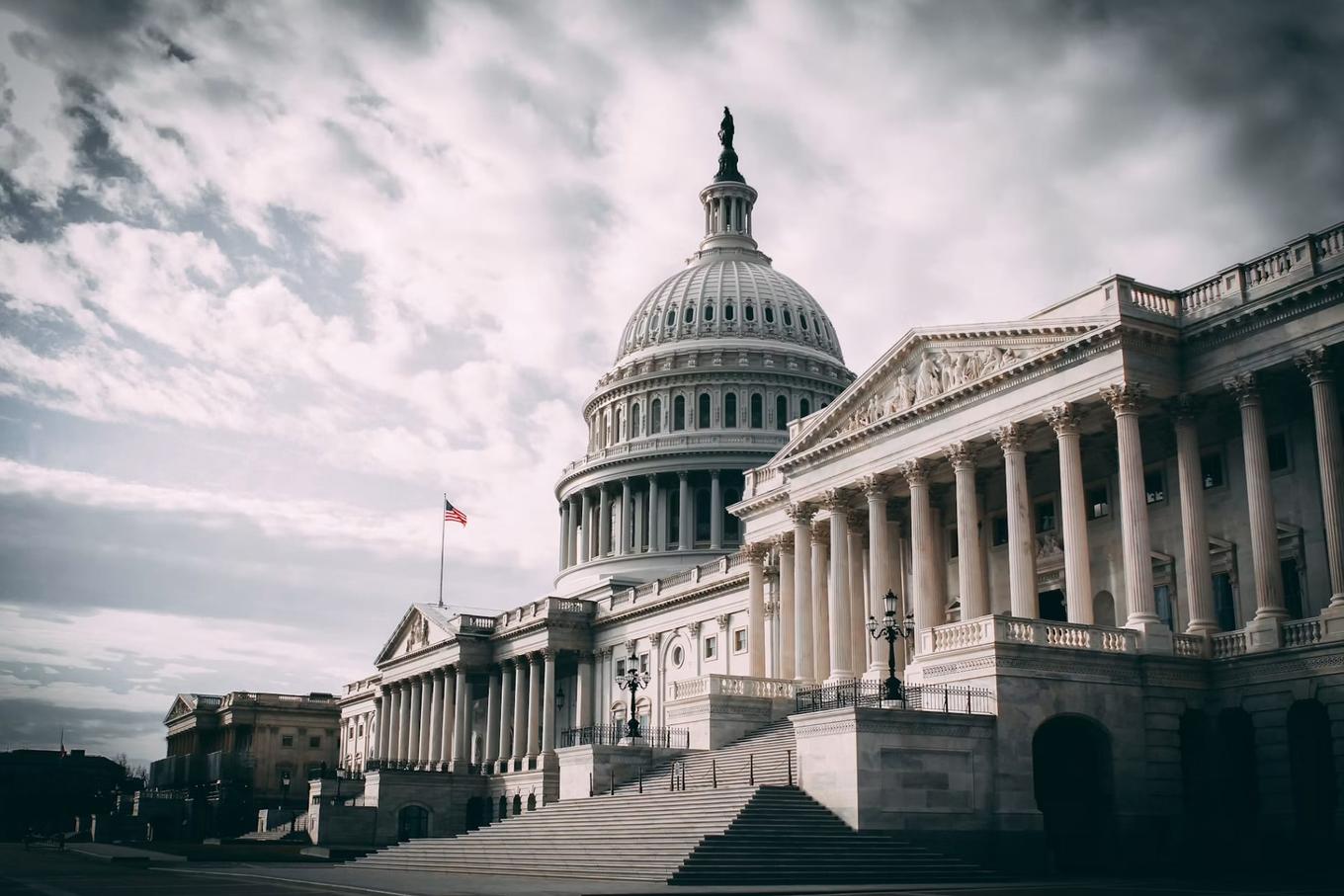
Out of that review came a plan, reported at as much as $1.8bn, that could have funded payouts to people the administration deemed wrongly pursued by prosecutors. Because the underlying claims touched on the Capitol riot cases, the fund could in theory have compensated some of the roughly 1,500 people charged over the 6 January 2021 attack on the US Capitol, an event that European governments widely condemned at the time as an assault on democratic institutions.
Trump pardoned or commuted the sentences of nearly all Capitol riot defendants on his first day back in office in January 2025, a decision that already drew criticism from allies in Europe who saw it as excusing violence against a legislature.
Why the plan drew criticism, and why it was dropped
The proposal was controversial partly because Trump himself was reported to be among those who could have benefited, through settlement of his own legal claims arising from the Mar-a-Lago search and the Russia investigation. Government ethics specialists in the US argued that a sitting president signing off on payments to himself, funded ultimately by taxpayers, represented an unusually direct conflict of interest, one without a clear precedent in recent American history.
Democratic members of Congress and legal accountability groups had pressed the justice department for details of the plan before Blanche’s decision to shelve it. The BBC’s report does not detail the department’s internal reasoning for the reversal, though the move follows months of scrutiny over how the fund would have been financed and who would ultimately qualify for payouts.
For observers in Europe, where independence of prosecutors from political leadership is treated as a foundational safeguard, the episode has fed into broader debate about the health of institutional checks in Washington during Trump’s second term. The withdrawal removes one specific and contentious proposal, but the wider Weaponization Working Group inquiry, and the underlying tensions over how the justice department should treat cases from the Biden years, remains in place.
Reuters and other US outlets have separately reported on related discussions within the justice department about settling Trump’s personal claims against the government over the two investigations, suggesting the broader question of compensation tied to the weaponisation review has not been fully resolved even with this fund’s withdrawal.
This article is free to read. It always will be — no paywall, no account, no tracking.