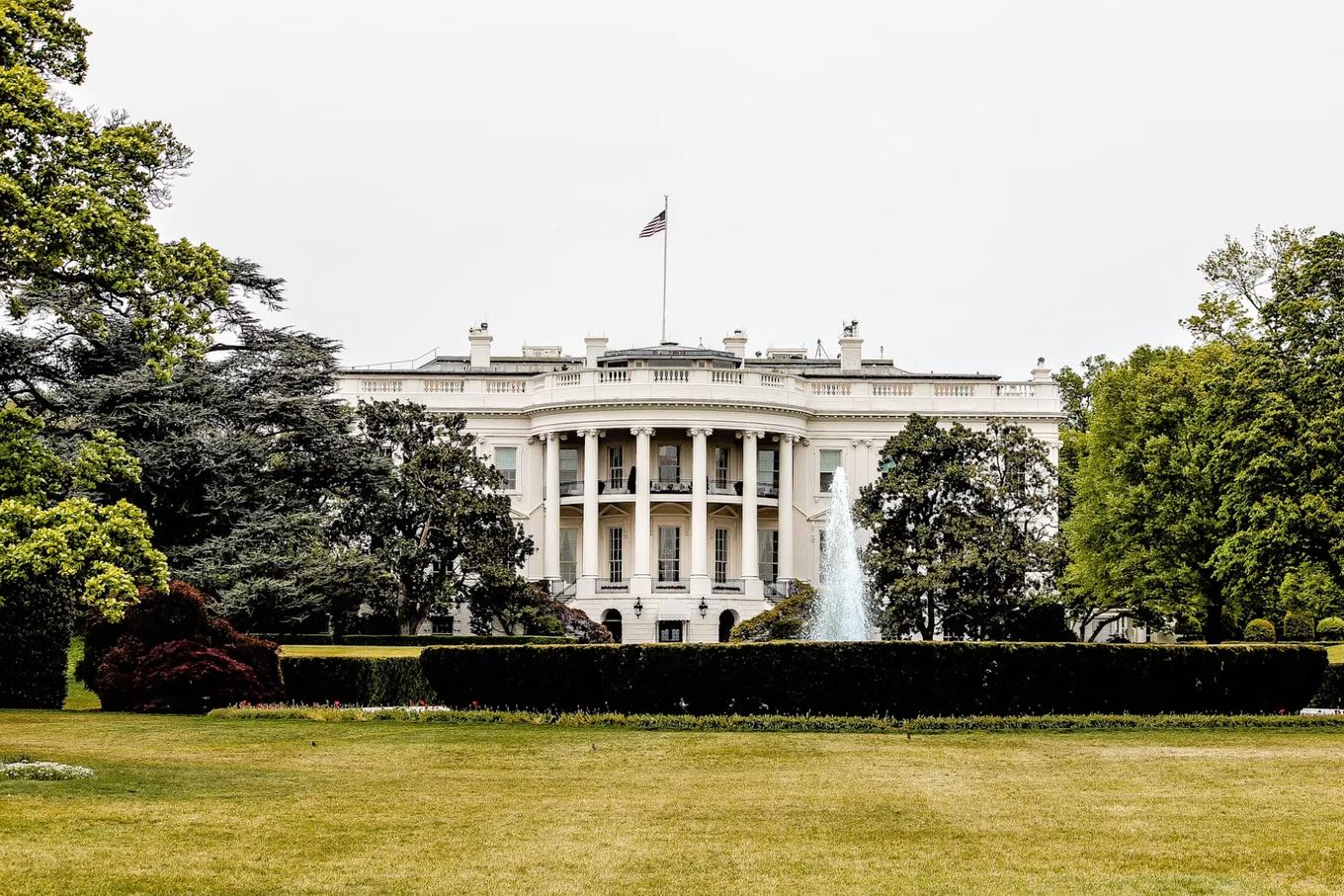
A federal appeals court has ruled that President Donald Trump acted unlawfully in pressing ahead with construction of a vast new ballroom at the White House, dealing a fresh blow to a project that has already reshaped one of Washington’s most recognisable buildings.
The US Court of Appeals for the DC Circuit ruled 2-1 on Friday that the administration had exceeded its authority by demolishing the East Wing last October and beginning work on the ballroom without congressional approval. The panel’s ruling affirmed a preliminary injunction issued by US District Judge Richard Leon, who had earlier ordered work to stop.
What the court said
“Whether or not a massive ballroom should be constructed is for Congress to decide and is not a matter for Executive self-help.”
The majority went further, writing that Congress has not ceded unfettered authority to the Executive Branch to dramatically redesign, reshape, and reconstruct the White House, describing the building as “the People’s House” rather than one president’s private project. Judge Neomi Rao, a Trump appointee, dissented from the ruling.
The order does not halt all activity on the site. Below-ground construction, including work the administration says is required for security installations such as a drone port and hardened facilities, may continue. Above-ground building is only permitted where strictly necessary to protect those features, according to reporting by The Hill.
A legal fight over a $400 million project
The case stems from a lawsuit filed by the National Trust for Historic Preservation, a body chartered by Congress to protect historic American buildings. The Trust sued the administration in December, days after the demolition of the East Wing, arguing the project bypassed legally required design and environmental reviews as well as congressional debate, according to CNN.
Trump has said the ballroom, intended to seat around 999 guests, would be funded through private donations rather than taxpayer money. Estimates of its cost have risen over time, with the White House now putting the price at roughly $400 million, according to CNBC. Separately, congressional Republicans have sought to add $1 billion in taxpayer funding for security infrastructure tied to the project, an effort the Senate parliamentarian rejected from a recent budget bill, according to Fox News.
For readers outside the United States, the dispute matters beyond its price tag. The White House is not simply a presidential residence but a piece of federal property whose upkeep and alteration have long been treated as a matter for Congress as much as the occupant of the Oval Office. Trump has cited the need to properly host visiting foreign leaders, including King Charles III, who is expected to travel to Washington, as one justification for expanding the building’s event space.
What happens next
The appeals court stayed its own ruling for 14 days, giving the Trump administration a window to ask the Supreme Court to intervene. The White House and Justice Department did not immediately respond to requests for comment reported by several US outlets, including CNBC and NBC News.
Should the administration seek emergency relief from the Supreme Court, as it has signalled it may, the case would test how far a sitting president can go in altering federal property without explicit legislative backing, a question with implications well beyond the ballroom itself.
This article is free to read. It always will be — no paywall, no account, no tracking.