NASA has opened its annual student essay competition focused on nuclear power in space, this year with a new twist: an illustration requirement and a theme centred on lunar exploration. The Power to Explore Student Challenge launched on Tuesday, Nov. 17, and is open to students in kindergarten through 12th grade across the United States, according to NASA Science, the research arm of NASA’s Glenn Research Center in Cleveland, Ohio.
Entrants are asked to write a 200-word essay, paired with an original drawing, describing how radioisotope power systems, often called ‘nuclear batteries,’ could support a future mission to the Moon or a lunar base. These systems generate electricity from heat produced by the natural radioactive decay of plutonium-238, and have powered NASA spacecraft travelling to extreme environments across the solar system, from deep space probes to rovers on Mars.
Why nuclear power matters for the Moon
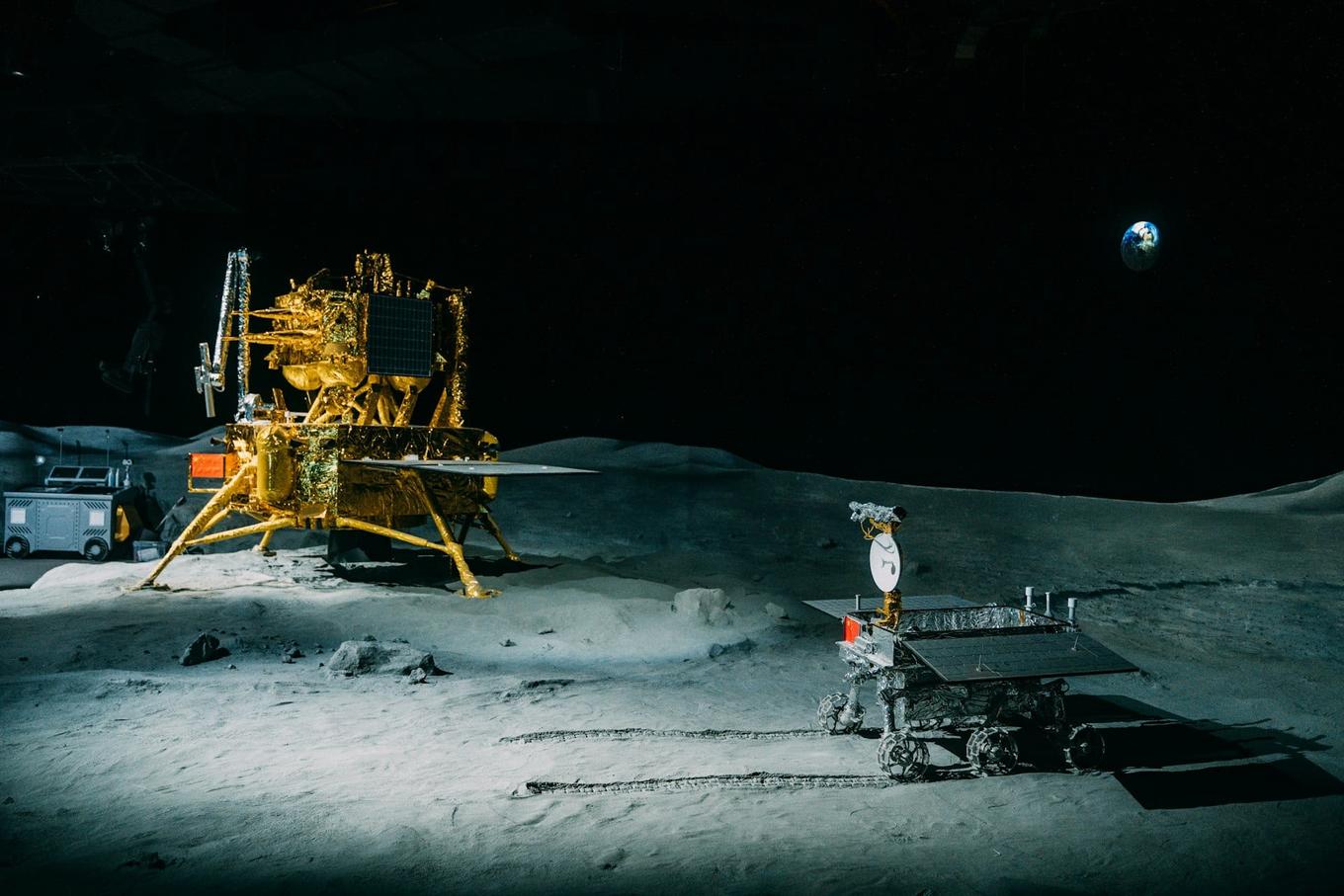
NASA officials say nuclear power systems could be especially useful for exploring the Moon’s permanently shadowed polar regions, which never receive sunlight and are considered key targets for future missions because they may harbour water ice.
Nuclear power could enable exploration in the permanently shadowed regions near the Moon’s South Pole, carry robust science payloads over long distances, and keep instruments warm through the lunar night, said Carl Sandifer, program manager at NASA’s Space Reactors Division at NASA Headquarters.
This year’s challenge also asks students to describe a personal ‘superpower’ they believe would help their imagined mission succeed, a new element meant to connect the technical theme to students’ own sense of ambition and problem-solving.
NASA’s Power to Explore Student Challenge prepares the next generation of explorers to use the unique power within themselves to dream up a nuclear-powered Moon base of their own design, Sandifer said.
A growing contest
The competition has expanded steadily since it began. The 2023-2024 edition drew nearly 1,787 entries from 48 states and Puerto Rico, while the 2024-2025 edition set a new record, producing 45 semifinalists and nine finalists. Three grand-prize winners, one from each grade category (K-4, 5-8 and 9-12), travelled to NASA’s Glenn Research Center in Cleveland in August as part of their prize.
Earlier editions asked students to write essays of 250 to 275 words about a nuclear-powered mission to any moon in the solar system, without requiring an illustration. The shift to a lunar-specific theme and the addition of artwork mark a deliberate change for the new school year, according to NASA Science.
The challenge is funded by NASA’s Science Mission Directorate through its Radioisotope Power Systems Program Office. In previous years it was administered by Future Engineers under a NASA Tournament Lab contract. Submissions for the current edition are due March 1, 2027.
This article was researched and drafted with AI assistance and reviewed by Lasse Pedersen before publication. How we use AI
This article is free to read. It always will be — no paywall, no account, no tracking.