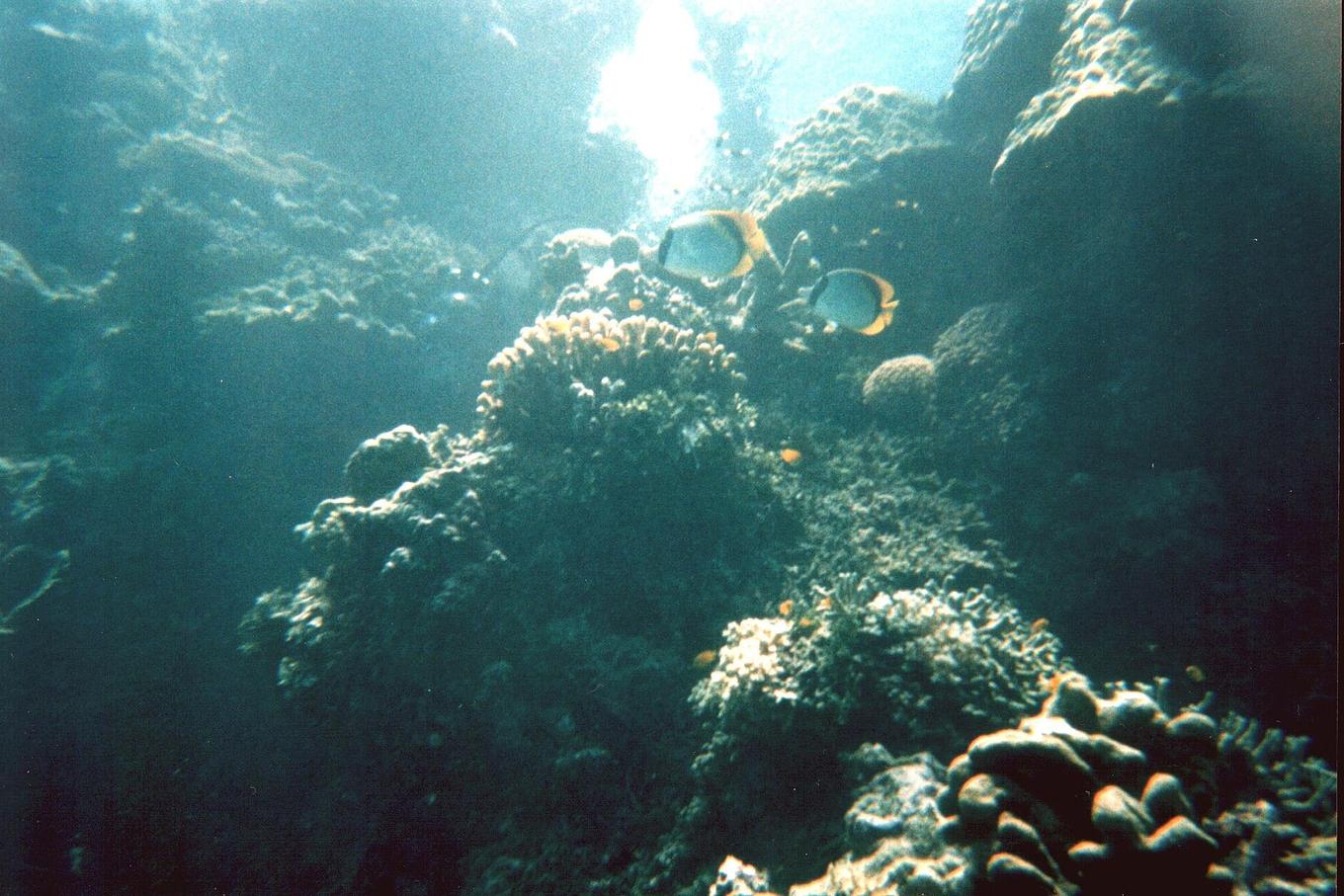
The Great Barrier Reef has shown signs of partial recovery, according to the Australian Institute of Marine Science’s (AIMS) latest annual survey, released on 11 August. Hard coral cover increased in the reef’s northern and central regions and held broadly steady in the south, a year after the 2024 mass bleaching event triggered the sharpest coral losses in the monitoring programme’s history.
In the northern region, stretching from Cape York to Cooktown, coral cover rose to 35.1%, up from around 30% in 2025, a 16.7% relative increase. The central region, from Cooktown to Proserpine, rose to 31.6% from about 28.6%, though AIMS says that change falls within the margin of error. The southern region remained close to last year’s level, at roughly 26.4%.
A cooler summer, not a cure
AIMS attributes much of the improvement to an unusually late monsoon in early 2026, which increased cloud cover and reduced sea surface temperatures during the Southern Hemisphere summer, the period when coral bleaching risk peaks. Sea temperatures still ran above the long-term average, according to AIMS, but not high enough to trigger widespread heat stress.
We did not see a repeat of the 2024 and 2025 mass bleaching events, or a repeat of the significant impacts from the 2024 event. Bleaching events vary markedly and do not always result in coral mortality. It depends on the intensity and duration of the heat stress. — Dr Mike Emslie, AIMS Long-Term Monitoring Program leader, via Marine Business News
Of the reefs surveyed as part of the programme, now in its 40th year of continuous data collection, 16% showed declining coral cover, 56% showed no significant change, and 28% showed an increase. AIMS says much of the recovery is being driven by fast-growing Acropora corals, which can rebound quickly after disturbance but are also quick to die back under renewed stress.
The reefs with high levels of Acropora now exist in a highly vulnerable state. It’s possible that what looks like complete recovery on these reefs can be reversed in just a year. — Dr Mike Emslie, AIMS, via GB News
Pressures have not gone away
The reef still faces multiple threats. A category 5 storm, Cyclone Narelle, crossed the northern region in March 2026, though most surveys had been completed beforehand. Rising numbers of crown-of-thorns starfish, coral predators that can strip reefs bare, suggest the start of a fifth recorded outbreak wave since the 1960s. A forecast El Niño weather pattern, associated with warmer ocean conditions, adds further uncertainty about whether the recovery will hold.
Dr Cheryl Beeden, a scientist involved in reef monitoring, noted that the current reprieve is partly geographic. ‘It’s important to note where that warmer water is concentrated at the moment is actually over the other side of the Pacific right now,’ she told ABC News. ‘Whilst temperatures are still above the very long-term average, they’re not at a point where we’d see any particular temperature driven stress on the Great Barrier Reef right now.’
Researchers caution against reading the figures as evidence the reef has turned a corner. The Great Barrier Reef has experienced six mass bleaching events since 2016, a frequency scientists describe as having been exceptionally rare before the 1990s. Dr Bing Lin, a postdoctoral fellow at the University of Sydney’s Thriving Oceans Research Hub, said the pattern reflects an ecosystem recovering under worsening conditions rather than one returning to stability.
Marine heatwaves and mass bleaching events are becoming more frequent, which means that any recovery we see is occurring in an increasingly inhospitable environment. So, yes, parts of the Reef are recovering, but they are doing so under pressure and with less and less time to do so before the next stressor strikes. — Dr Bing Lin, University of Sydney
An AFP fact-check published in August found that social media posts citing the 2026 AIMS data had overstated the reef’s resilience, since the figures do not reverse a longer-term trend of increasingly volatile coral cover linked to climate change. AIMS scientist Dr Manuel Gonzalez Rivero said the reef’s future ultimately depends on broader action. ‘More ambitious reductions in global greenhouse gas emissions offer a more positive future for reefs, when combined with effective management of local pressures,’ he said.
This article was researched and drafted with AI assistance and reviewed by Lasse Pedersen before publication. How we use AI
This article is free to read. It always will be — no paywall, no account, no tracking.