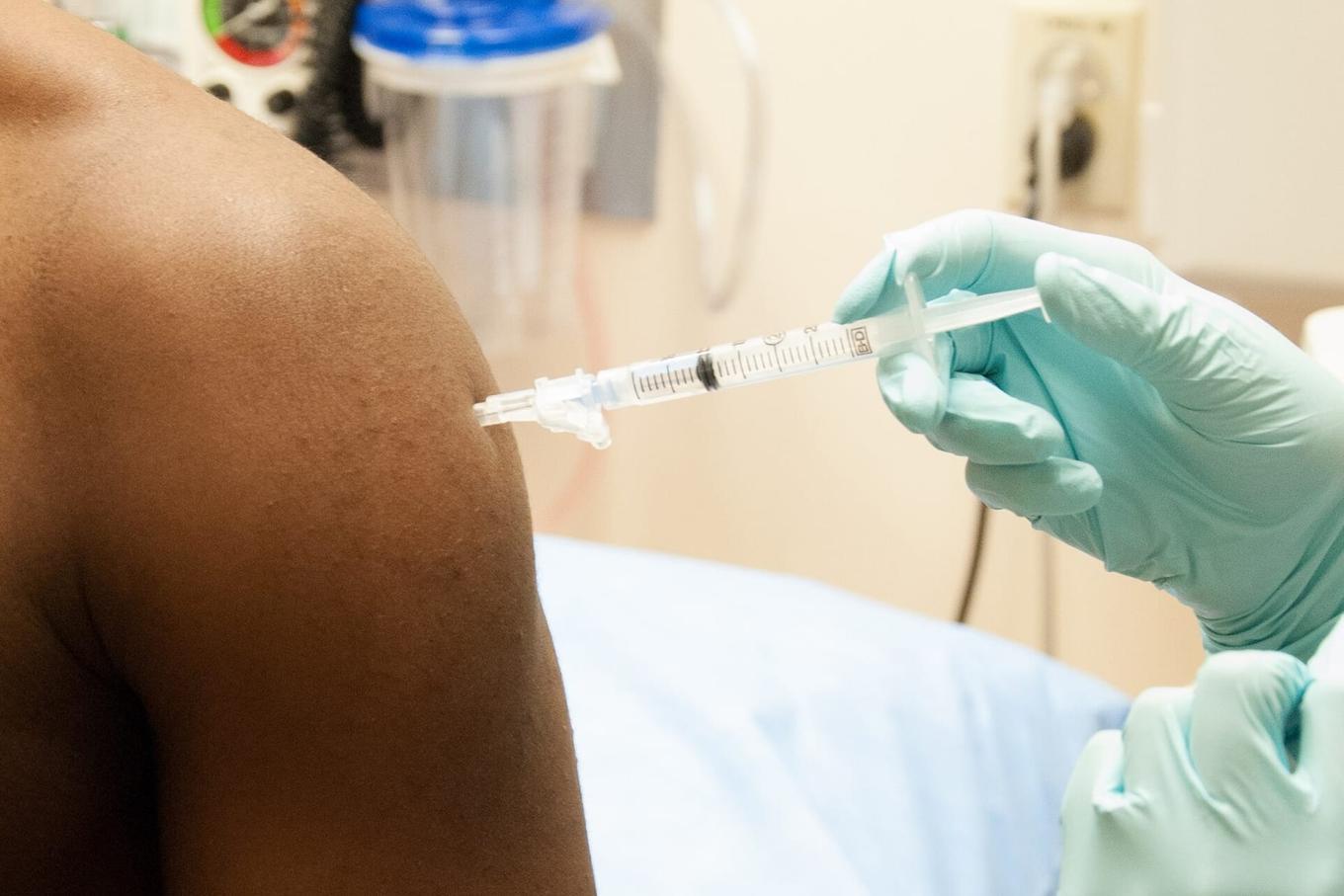
The World Health Organization and its partners announced on 20 August 2026 that the Democratic Republic of Congo will receive 70,000 doses of the Ervebo Ebola vaccine, a shipment aimed at slowing an outbreak officials describe as the fastest-spreading in the disease’s history.
The vaccine, known scientifically as rVSVΔG-ZEBOV-GP, was originally licensed against the Zaire strain of Ebola virus, the version responsible for most past outbreaks. But the pathogen driving the current crisis is different: the Bundibugyo virus (BDBV), a related but distinct strain for which no vaccine or specific treatment has previously been approved.
Testing a Vaccine Against a New Strain
Because Ervebo’s effectiveness against Bundibugyo virus has never been formally established, 20,000 of the 70,000 doses will be used in a Phase 3 clinical trial designed to test whether the vaccine offers protection against this strain. The remaining 50,000 doses will be given directly to frontline responders and health workers, following recommendations from WHO’s Strategic Advisory Group of Experts on Immunization.
The DRC government requested release of the vaccines from the International Coordinating Group on Vaccine Provision the week before the announcement. Gavi, the Vaccine Alliance, said it would contribute $7 million to fund the shipment itself, plus a further $6 million to support vaccination campaigns in high-risk areas.
“an important example of global solidarity in action” — Tedros Adhanom Ghebreyesus, WHO Director-General
A Rapidly Escalating Emergency
The outbreak was first confirmed on 15 May 2026, when DRC and Uganda jointly declared an Ebola outbreak after laboratory tests identified Bundibugyo virus in both countries. Two days later, the WHO Director-General determined the situation constituted a Public Health Emergency of International Concern, the organisation’s highest level of alert.
Since then, the numbers have climbed sharply. As of 19 August, DRC had reported a cumulative 5,208 confirmed cases and 2,476 related deaths, with 730 patients currently hospitalised in isolation. The outbreak has now reached 56 of the country’s 151 health zones across six provinces, and cases and deaths have also been recorded in Uganda, with isolated cases linked to the outbreak treated in Germany and France.
The overall case fatality rate stands at roughly 47.5%, though it is higher in areas where the response has been weaker. Historically, Bundibugyo virus outbreaks have carried fatality rates ranging from 30% to 50%. Health officials say most new cases are now being identified outside groups already under monitoring, a sign that transmission is outpacing contact-tracing efforts on the ground.
With no previously licensed vaccine or specific therapeutic for Bundibugyo virus disease, early supportive care has remained the primary treatment available to patients. The Phase 3 trial launching alongside this vaccine shipment represents the first large-scale effort to determine whether an existing Ebola vaccine can be repurposed to fight this less common but comparably deadly strain.
This article is free to read. It always will be — no paywall, no account, no tracking.