The United States military struck multiple Iranian targets on 27 June after an Iranian drone hit a Panama-flagged oil tanker in the Strait of Hormuz, marking the second consecutive day of US strikes against Iran and the most serious challenge yet to a ceasefire agreement reached just ten days earlier.
US Central Command said Iranian forces hit the M/T Kiku with a one-way attack drone early on Saturday morning as the vessel was transiting the strait carrying more than two million barrels of crude oil. The UK Maritime Trade Operations Centre (UKMTO), a British naval shipping-security agency, confirmed a projectile had struck the tanker, damaging its bridge. All crew were reported safe.
Second strike in two days
In response, US military aircraft targeted what Central Command described as Iranian military surveillance infrastructure, communication systems, air defence sites, drone storage facilities, and minelaying capabilities. The strikes follow a nearly identical US operation on 26 June, itself a response to an Iranian drone attack on the Singapore-flagged container ship Ever Lovely the day before.
“Iran was given a chance to honor the ceasefire agreement but elected not to when its forces launched a one-way attack drone that hit M/T Kiku this morning,” US Central Command said in a statement.
Iran’s Islamic Revolutionary Guard Corps (IRGC), the paramilitary force that controls Iran’s naval operations in the Gulf, said it struck US military positions in Kuwait and Bahrain in retaliation. Bahrain separately condemned what it called an Iranian drone attack on its own soil as a blatant violation of its sovereignty. Egypt and Kuwait also condemned the attacks. Central Command said commercial shipping through the Strait continued despite the exchanges.
A ceasefire under strain
The escalation puts severe pressure on a memorandum of understanding signed by US President Donald Trump and Iranian President Masoud Pezeshkian on 17 June, which was intended to end months of conflict and reopen the strait to international shipping. The agreement included a 60-day ceasefire framework, but both Washington and Tehran have now accused the other of violations. Iran’s foreign ministry called the US strikes a blatant breach of the deal. Ebrahim Azizi, head of Iran’s parliamentary national security commission, wrote on social media that the US had attacked Iran in the middle of negotiations.
“The failed US President has shown he has no commitment to the principles of negotiation or a ceasefire,” Azizi wrote.
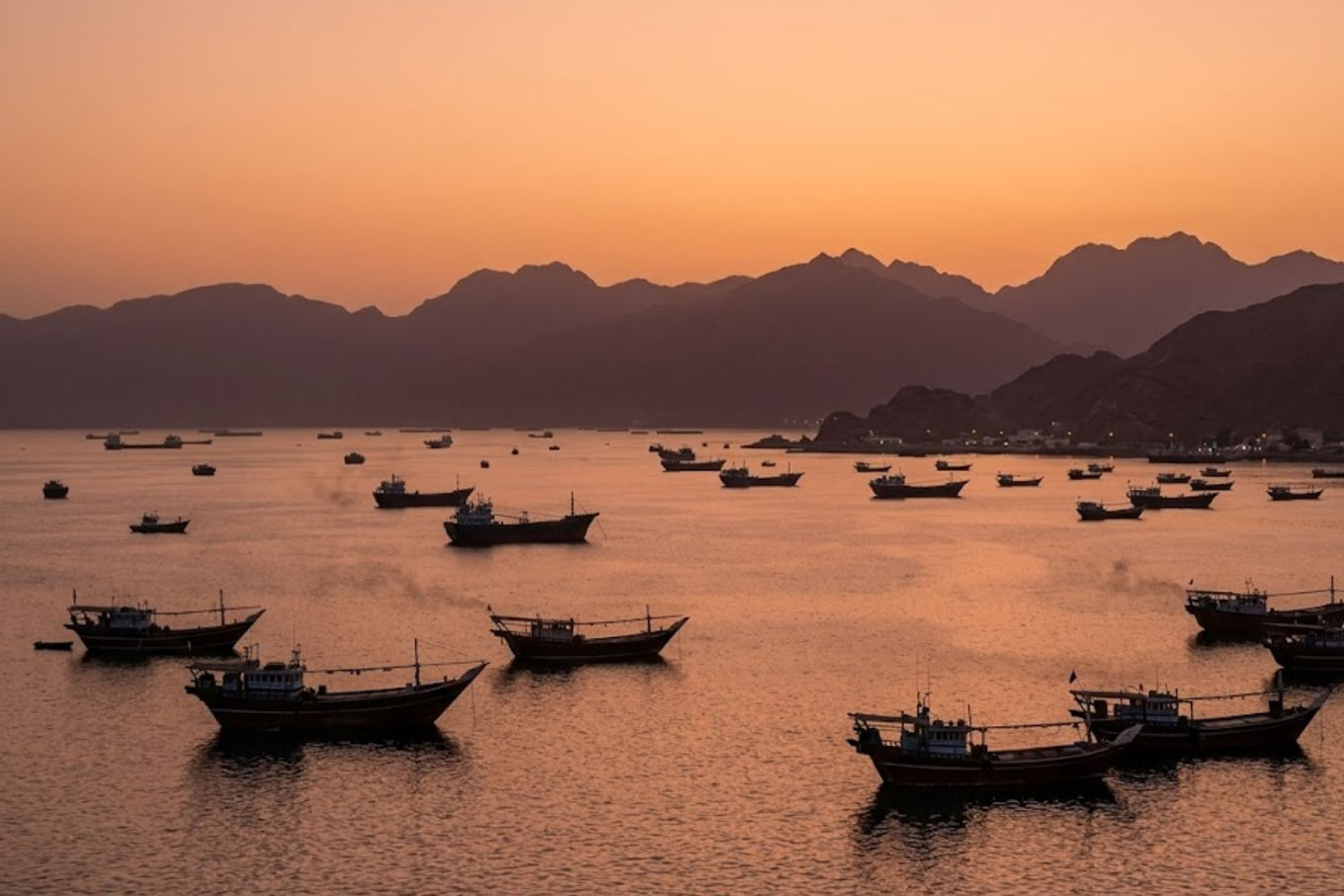
The Strait of Hormuz is one of the world’s most critical maritime chokepoints. Before the current crisis, roughly 20% of global seaborne oil trade and 20% of the world’s liquefied natural gas passed through the 34-kilometre-wide waterway between Iran and Oman. Shipping had only recently begun to cautiously resume after months of near-total blockage. The UKMTO raised its threat level in the strait from moderate to substantial following the latest attacks, and a United Nations maritime agency suspended an operation to evacuate thousands of stranded sailors that had begun earlier in the week, saying it would not resume without guarantees of safe passage.
Oman, which borders the strait and has historically played a back-channel diplomatic role between Tehran and Washington, told European officials this week that there is no return to the pre-war status quo in the waterway, with reports emerging that Muscat may consider charging transit fees for passage. The Trump administration has rejected any such arrangement. For international shipping companies and energy markets watching the standoff, the question now is whether the ceasefire framework can survive two days of direct military exchanges, or whether the region is drifting back toward open conflict.
This article is free to read. It always will be — no paywall, no account, no tracking.