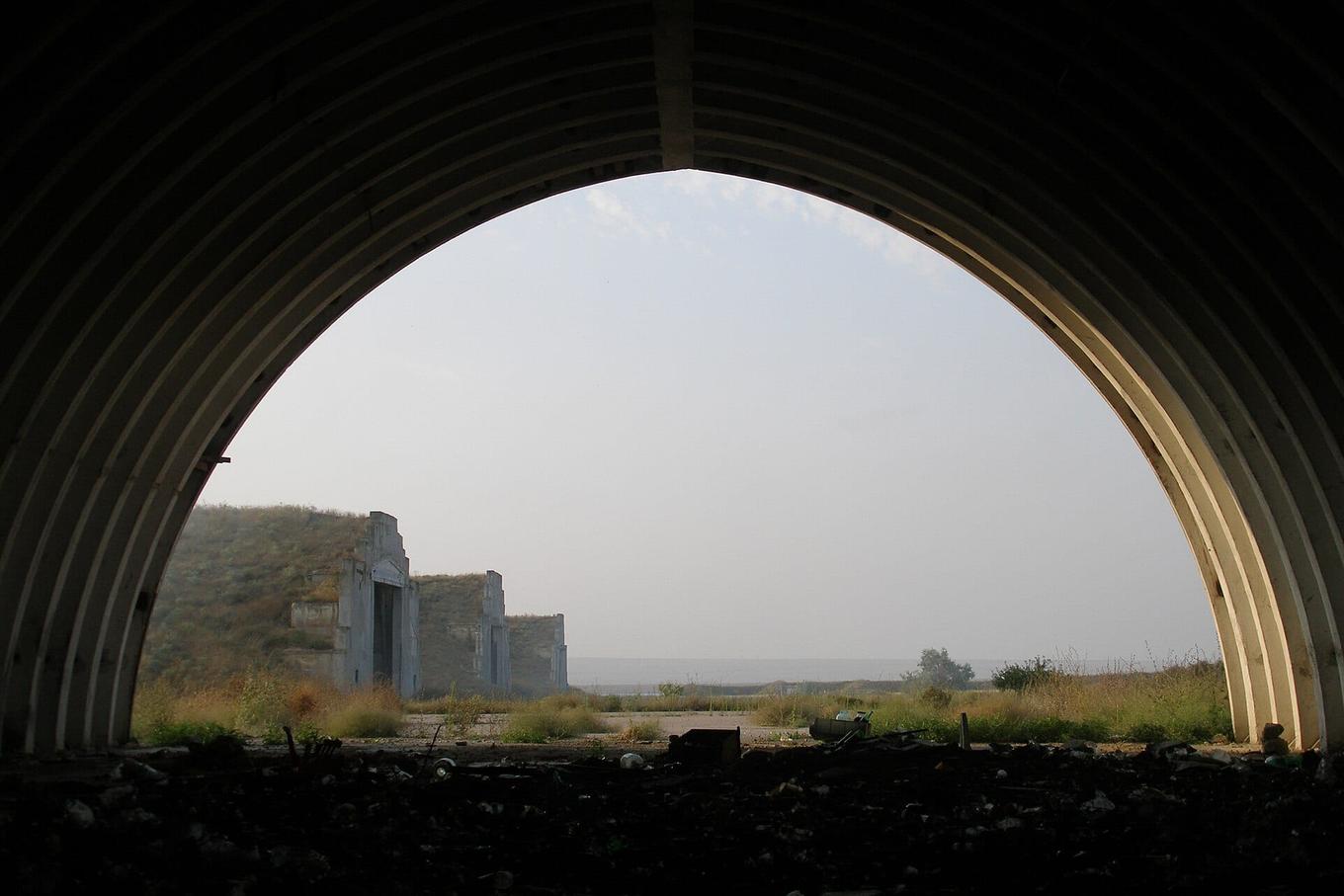
Sweden’s armed forces are attempting to seize a piece of land near a naval base, arguing that its owner, a Russian national with reported connections to the Kremlin, poses a security risk, according to Euronews.
The case is the latest sign of growing unease in Northern Europe over property purchases near sensitive military sites. Sweden’s Ministry of Defence and its domestic security service, SÄPO, have both been drawn into assessing whether such holdings could serve intelligence-gathering or sabotage purposes.
A pattern seen across Europe
The Swedish case does not stand alone. A Telegraph investigation reported in February 2026, and cited by Euromaidan Press, found that Russian intelligence-linked entities had acquired real estate near military installations in several European countries, including Norway, Finland, Sweden, Italy and Greece.
Security officials in multiple countries have described such purchases as potential ‘Trojan horse’ operations, meaning ordinary-looking transactions that could later be used to monitor military activity or support hostile operations closer to sensitive installations.
Heightened alert in the Baltic
Concerns in Sweden have been building for more than a year. In August 2025, Sweden’s Chief of Defence Staff, Michael Claesson, warned that Russia could attempt to test NATO’s response with a small-scale naval action near a Baltic island, a comment that underscored how seriously Swedish defence officials view the risk of provocation in the region.
Sweden joined NATO in 2024, ending two centuries of military non-alignment, a shift that has sharpened scrutiny of any activity near its coastline and military infrastructure, particularly in the Baltic Sea, an area of intensifying strategic competition between NATO members and Russia.
Reports on the case, including coverage from TVP World and United24 Media, indicate Sweden is also reviewing its expropriation laws, the legal framework that allows the state to take over privately owned property, to address concerns that foreign ownership near military sites could be exploited for surveillance or sabotage.
No further details on the property’s exact location or the identity of its owner have been made public. The case is expected to test how far Swedish law allows the state to intervene in private property rights on national security grounds.
This article is free to read. It always will be — no paywall, no account, no tracking.