Seven OPEC+ member states agreed on Sunday to raise their collective oil production target by 188,000 barrels per day for August 2026, according to a statement published on the OPEC website following a video conference. The group, led by Saudi Arabia and Russia, also includes Iraq, Kuwait, Kazakhstan, Algeria and Oman. It is the fourth consecutive monthly increase the alliance has approved since the US-Iran conflict erupted in late February.
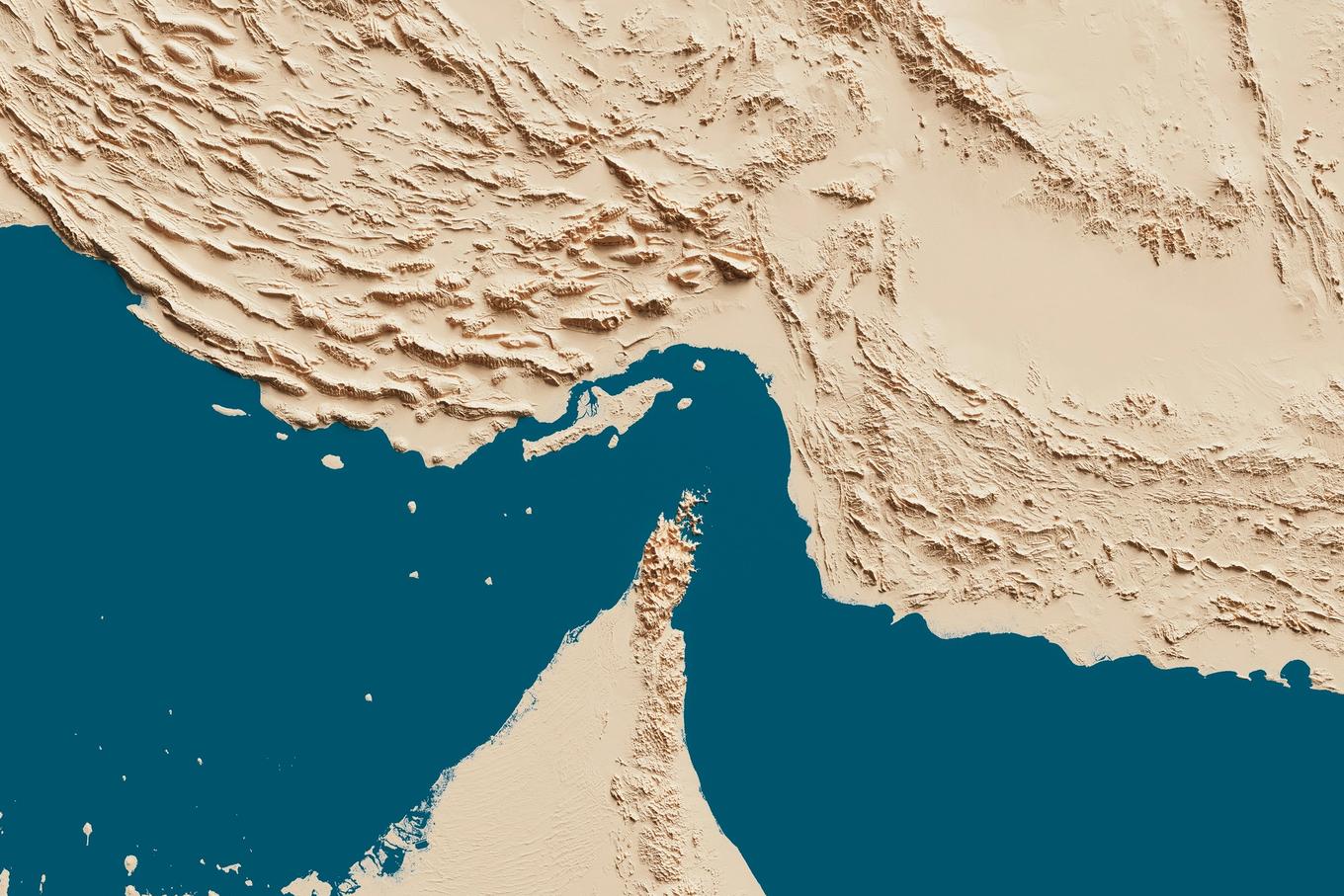
The decision is, for now, largely theoretical. The Strait of Hormuz, the narrow waterway between Iran and Oman through which roughly a fifth of global oil supplies normally passes, has remained effectively closed to commercial shipping since the conflict began. Most of the OPEC+ members approving the increase are Gulf producers whose exports run through that very chokepoint.
Paper barrels in a blocked strait
Reuters reports that the hike is widely seen as a signal of intent rather than a near-term supply boost. Since the war began, the group has cumulatively added 940,000 barrels per day to its quotas, an amount Bloomberg notes is equivalent to nearly one percent of global demand. With this latest increase, OPEC+ will have nominally restored roughly 90% of the two rounds of production cuts it implemented in 2023, though the barrels themselves remain stranded.
“At this stage we are basically talking about hypothetical future scenarios with the bulk of the barrels stranded,” said Helima Croft, head of commodity-markets strategy at RBC Capital Markets.
The context for the meeting has shifted markedly since the start of the year. The International Energy Agency reported in April that global oil supply had plummeted by 10.1 million barrels per day in March alone, describing it as the largest supply disruption in history. The US Energy Information Administration now forecasts that global oil demand will contract by 1.1 million barrels per day over the full year of 2026, a stark reversal from the growth of 1.2 million barrels per day it had projected before the conflict. High fuel prices and reduced availability are the principal drivers of that demand destruction.
A group reshaped by conflict and departure
The alliance conducting these monthly decisions is also smaller than it was. The United Arab Emirates formally left OPEC in May after decades of membership, citing frustration that the group’s quota system constrained its ability to deploy new production capacity. The UAE had been the group’s third-largest producer before the conflict. Its exit reduced the monthly quota adjustment from the 206,000 barrels per day agreed in May to the current 188,000 barrels per day figure.
The practical question for markets is what happens when the Strait reopens. Even then, a return to pre-conflict shipping volumes is unlikely to be rapid. Al Jazeera has cited oil executives and traders as saying it could take several weeks, if not months, for flows to normalise after the waterway opens. The EIA assumes some form of shipping resumption in the third quarter of 2026 but does not expect traffic to return to pre-conflict levels until early 2027. In the meantime, a surge in US exports has helped cushion supply shortfalls, with American crude and petroleum product net exports hitting a record 5.8 million barrels per day in April.
“In their collective commitment to support oil market stability, the seven participating countries decided to implement a production adjustment of 188 thousand barrels per day,” OPEC said in its statement.
The group said it retains flexibility to accelerate, pause or reverse the unwinding of its cuts depending on market conditions. A third layer of cuts, equivalent to around 2 million barrels per day when taken offline in 2022, is currently scheduled to remain in place until the end of the year, though delegates have indicated it could be fast-tracked if circumstances allow. For consumers worldwide still absorbing elevated fuel costs, that prospect of eventual relief remains distant.
This article is free to read. It always will be — no paywall, no account, no tracking.