China and US took opposite paths through 2026 oil shock
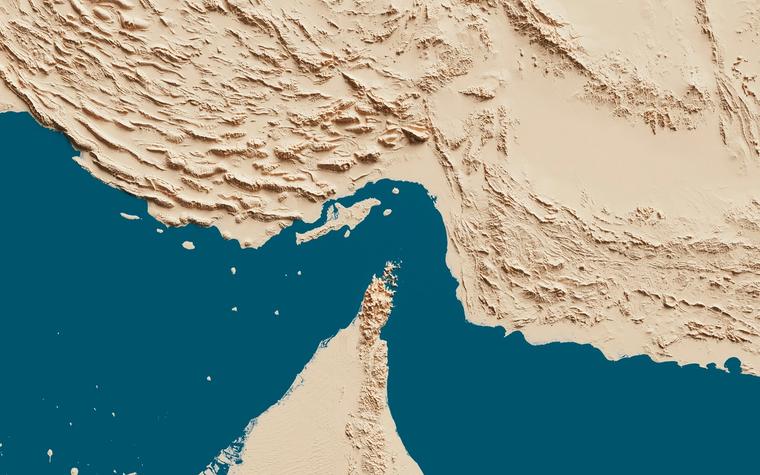
After Iran shut the Strait of Hormuz in February 2026, Beijing leaned harder into clean energy while Washington doubled down on oil and gas. The split is reshaping the global energy map.
Focuses on global oil markets, the transition to renewables, and geopolitical energy security.
After Iran shut the Strait of Hormuz in February 2026, Beijing leaned harder into clean energy while Washington doubled down on oil and gas. The split is reshaping the global energy map.

The US Energy Information Administration has cut its 2026 Brent crude forecast by 14% following a US-Iran agreement that reopened the Strait of Hormuz in June. Global markets are now bracing for an oil glut as supply rushes back — but significant geopolitical risks remain.
Seven OPEC+ nations have agreed to raise oil production by 188,000 barrels per day for August, their fourth straight monthly increase, even as the US-Iran conflict continues to block most of that oil from reaching global markets.