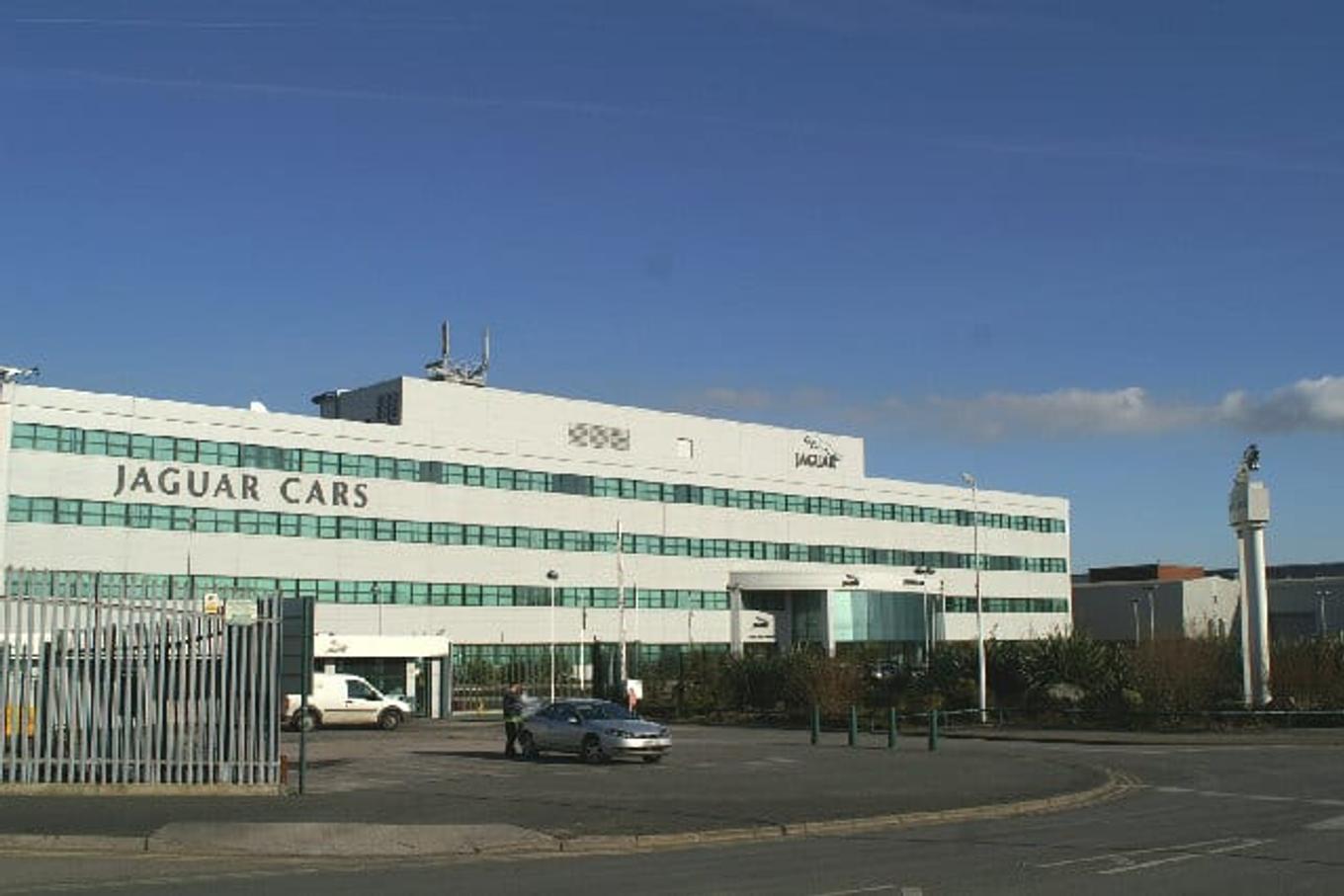
Jaguar Land Rover, Britain’s largest carmaker, confirmed on 7 September that it will cut around 4,000 jobs worldwide over the next two years, roughly 10% of its global workforce of about 40,000 to 43,000 people.
The reductions will fall mainly on salaried, management and research and development roles rather than direct manufacturing jobs. JLR employs about 26,000 salaried staff in the UK across management, marketing and R&D, and this group will bear the brunt of the cuts.
A costly year for JLR
The job cuts come after a difficult financial year for the Tata Motors subsidiary, which makes Jaguar, Land Rover, Range Rover and Discovery vehicles. JLR posted a net loss of £244m for its 2026 fiscal year, reversing a £1.8bn profit the previous year, as annual revenue fell 20.9% to £22.9bn and global wholesale volumes dropped 23.2% to 307,915 units.
The company points to several overlapping problems: intensifying competition from Chinese electric vehicle makers, a 25% US tariff on imported vehicles introduced in April, disruption linked to conflict in the Middle East, and a five-week production halt last year after a major cyberattack. In the three months to the end of June alone, revenue fell 9.6% year-on-year to £6bn and pre-tax profit excluding exceptional items dropped 68.9% to £109m.
The automotive industry faces significant challenges, with technological change amidst intense competition and ongoing geo-political uncertainty. — PB Balaji, Chief Executive, Jaguar Land Rover
Balaji said the cuts are part of a wider effort to make the company more competitive. “As part of this transformation, we will reduce our global workforce by around 4,000 roles over the next two years,” he said, framing the move as part of a strategy called “Growth Reimagined” intended to lower JLR’s break-even point to around 300,000 vehicles sold annually, down from previous targets.
Alongside the cuts, JLR says it plans to invest between £15bn and £18bn over five years in electrification, digital technology and manufacturing, and will launch five new products in the next year, including an all-electric Range Rover. The company is also reportedly exploring a deal with Stellantis to build vehicles in the United States, a move that could reduce its exposure to tariffs.
Government rules out a bailout
UK Business Secretary Jonathan Reynolds has ruled out direct financial support for the company, telling the BBC that any assistance would focus on workers rather than rescuing the business itself. “A company the size of JLR, which is a huge British success story, at various times in its business cycle, the number of, directly, people it employs will change,” he said, adding he would help “if this is about making sure over time that the workforce is right to make the business as competitive as possible.” Asked whether the government would bail the company out, he was blunt: “Not if it’s to bail people out.”
Reynolds is due to meet JLR chief executive PB Balaji and representatives of the Unite union, which represents many of the affected workers. Unite general secretary Sharon Graham said the cuts are not expected to affect JLR’s UK manufacturing sites or supply chain, but that the union would push to limit the damage. “While the cuts planned are not expected to impact the UK manufacturing footprint or its supply chain, we need to ensure that no stone is left unturned to mitigate these job” losses, she said, also criticising years of inaction over the sector’s decline: “Death by a thousand cuts has been going on under the nose of successive governments.”
The redundancy programme will begin as a voluntary process, with applications open until 4 October. JLR has warned that if too few employees come forward, it may move to compulsory redundancies on less generous terms. It would not be the company’s first major restructuring: JLR cut 4,500 jobs in 2019 under a programme called “Charge and Accelerate”, and made smaller cuts in 2018 and 2020 amid Brexit-related uncertainty and slumping sales in China.
This article is free to read. It always will be — no paywall, no account, no tracking.