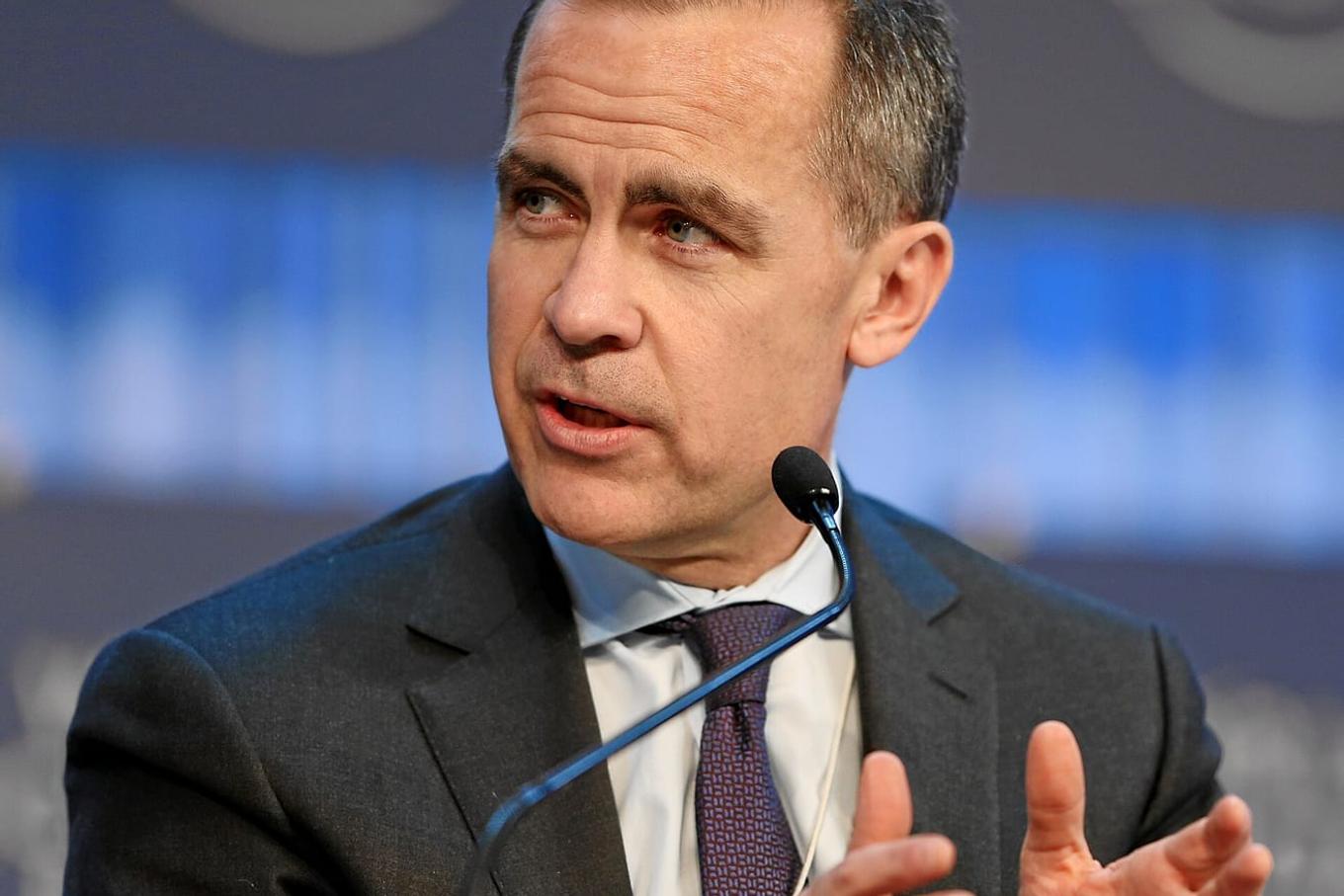
Canadian Prime Minister Mark Carney opened a two-day investment summit in Toronto on Monday with an ambitious ask: roughly C$1 trillion, or about US$723 billion, in foreign capital over the next five years. The pitch, reported by the Financial Times, centres on more than 160 projects in energy, mining, defence and power that Ottawa describes as ‘shovel-ready’ rather than conceptual.
A pitch built on distance from Washington
For decades, the case for investing in Canada rested largely on its proximity to the US market. Carney’s government is now making a different argument: that Canada is not the United States. Amid tariff tensions between the Trump administration and multiple trading partners, officials are framing the country’s stability and rule of law as the main draw for capital that might otherwise have gone south of the border.
Global asset managers overseeing a combined total of more than US$100 trillion are said to be attending the summit, which the government is presenting as a ‘matchmaking’ exercise between international capital and domestic projects. Among the attendees is Amundi, Europe’s largest asset manager, which manages roughly US$2.7 trillion in assets.
Amundi reportedly says its clients have sought to diversify away from American assets since April 2025, a shift the firm says accelerated after tariff threats aimed at eight European countries.
Europe’s large exposure to US markets
The scale of that exposure helps explain why Canada sees an opening. Europeans are estimated to hold about US$10.4 trillion in American stocks, roughly half of all foreign-held US equities, according to the figures cited by the Financial Times. Even a modest reallocation of that money could represent a significant windfall for Canadian projects seeking financing.
Specific proposals on the table include a US$328 million request from Montreal-based Deep Sky for a carbon removal facility in Alberta, and eight separate projects being brought to the summit by the province of New Brunswick. The summit runs alongside other federal initiatives, including a C$2 billion Sovereign AI Compute Strategy and a C$5 billion Trade Diversification Corridor Fund, both aimed at reducing reliance on US trade and technology channels.
Ottawa says it has already secured US$500 billion in new private investment commitments for ports, mines and energy corridors, though the Financial Times report on which this account is based notes that the specific figures and framing have not yet been independently cross-verified beyond that single source.
This article is free to read. It always will be — no paywall, no account, no tracking.