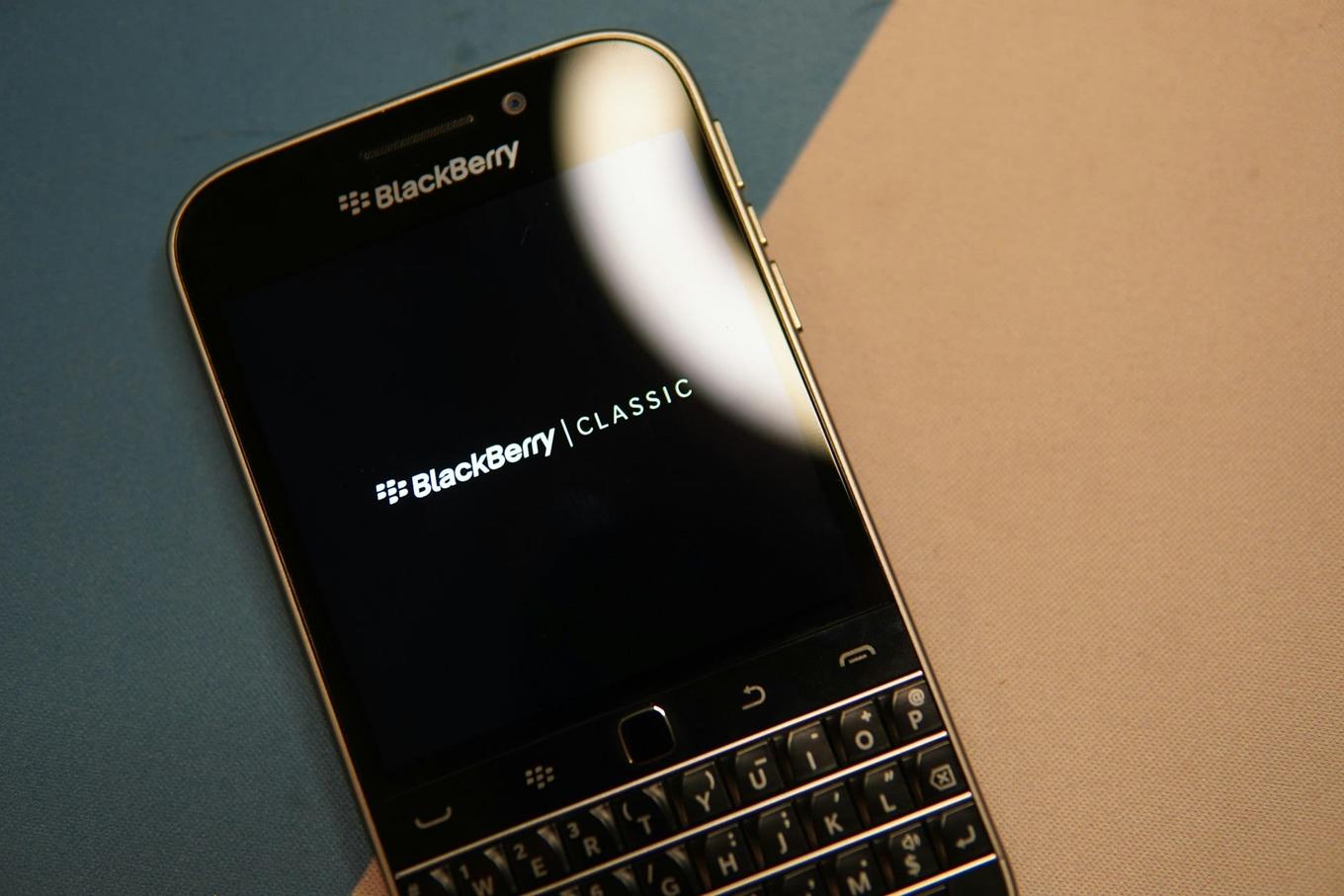
BlackBerry’s keyboard-equipped handsets once defined mobile business communication across Europe and North America, prized by executives and government officials for their secure email. That business is long gone. The company stopped manufacturing its own phones in 2016, licensing the brand to other manufacturers, and by January 2022 the last BlackBerry-branded devices still running the company’s own operating system were switched off entirely.
From handsets to highways
What has replaced the phone business is largely invisible to consumers but increasingly embedded in daily life. BlackBerry’s QNX division makes a real-time operating system that runs inside cars rather than on dashboards people notice. The company says QNX software now powers more than 255 million vehicles worldwide, according to its own regulatory filings, with design wins spanning automakers such as BMW and, more recently, Hyundai Mobis for next-generation digital cockpit systems.
QNX traces back to a 2010 acquisition from Harman International, but it took years of restructuring under chief executive John Chen, who took over in 2013, before the automotive software business became a serious growth engine. The unit’s appeal to carmakers lies in its reliability: QNX is certified to strict safety standards used in braking, steering and other systems where software failure cannot be tolerated, a requirement that has made it a default choice as vehicles become more computerised.
A European security pedigree
BlackBerry’s other pillar, cybersecurity, has particular resonance for European readers. In 2014 the company bought Secusmart, a Düsseldorf-based encryption specialist that had built the secure smartphone used by German Chancellor Angela Merkel after revelations that the United States had monitored her communications. That German engineering became the backbone of BlackBerry’s government-grade secure communications product, SecuSUITE.
“BlackBerry SecuSUITE enables our teams to use their smartphones for secure, encrypted contact inside and outside of the network, whatever their location,” said Jean-Paul Massart, Chief NATO Digital Workplace at the NCI Agency.
That endorsement followed NATO’s 2022 certification of SecuSUITE for use across the alliance, adding to a client roster that already included government agencies wary of foreign surveillance. For European institutions balancing digital sovereignty concerns against reliance on American cloud and software giants, a Canadian-headquartered vendor with deep German security roots occupies a useful middle ground.
Numbers still tell a mixed story
The financial picture has improved without becoming spectacular. BlackBerry reported revenue of $535 million for the fiscal year ending February 2025, down from $853 million the previous year, though that earlier figure was inflated by a one-off patent sale. The company says it achieved non-GAAP profitability and positive free cash flow for the full year, a milestone after a decade in which heavy impairment charges and stagnant sales repeatedly cast doubt on its survival as an independent company.
Reflecting the split between its two remaining businesses, BlackBerry has separated internal reporting into distinct IoT and cybersecurity units, a restructuring some analysts have referred to as “Project Imperium.” The IoT segment, anchored by QNX, carries gross margins above 80 percent and has been the faster grower, while cybersecurity revenue has been steadier but more exposed to lengthy government procurement cycles.
Whether this amounts to a durable turnaround or merely a stabilised decline is still debated among analysts covering the stock, which trades on both the New York and Toronto exchanges. What is clear is that the company once synonymous with a physical keyboard has, after years of retreat, found a narrower but more defensible niche: software that customers rarely see but increasingly cannot do without.
This article is free to read. It always will be — no paywall, no account, no tracking.