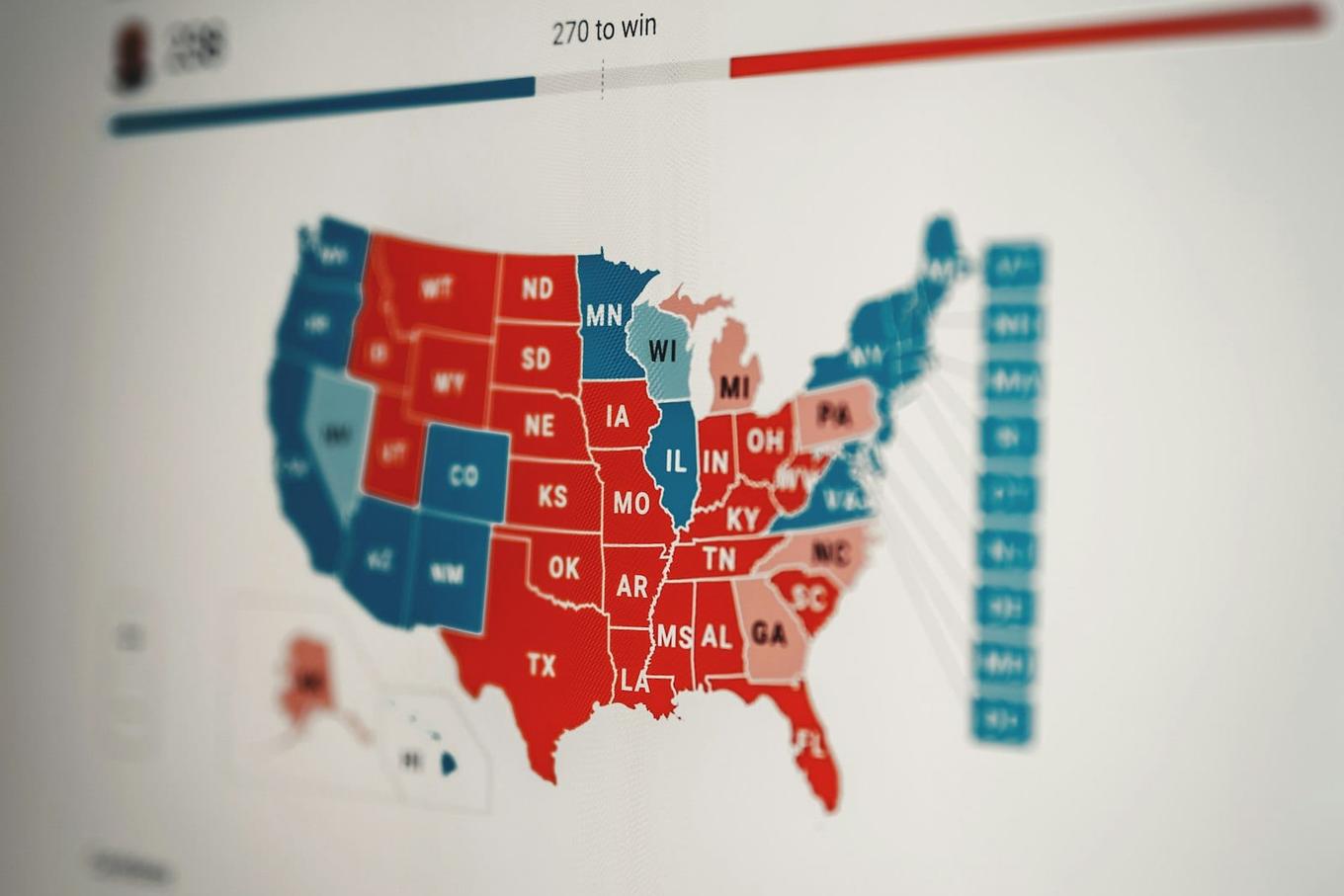
Most American voters now say they are financially worse off than before Donald Trump returned to the White House, according to a new poll conducted for the Financial Times. The findings come from a monthly survey series run by research firm Focaldata for the FT ahead of November’s midterm elections, and point to a sharp shift in how voters view the president’s economic record less than a year into his second term.
The poll shows Democrats have overtaken Republicans as the party voters trust more on the economy, reversing the picture from the 2024 campaign, when Trump built much of his appeal on promises to bring down prices. The shift matters because the economy consistently ranks as voters’ top concern heading into the midterms, ahead of immigration, which had defined the 2024 race.
Inflation and tariffs weigh on approval
Separate reporting on the Focaldata-FT polling series, cited by Business Recorder, found that nearly 58 percent of registered voters either “strongly” or “somewhat” disapproved of Trump’s management of inflation and living costs. The same wave of polling found around 55 percent of respondents said Trump’s tariffs had negatively affected the US economy, while only about one-quarter believed his trade policies had benefited economic conditions.
The war involving Iran has added further pressure on fuel and consumer prices, compounding frustration over living costs ahead of the election. For European and other international observers, the combination of an unresolved Middle East conflict and an aggressive US tariff regime has been closely watched given the knock-on effects for global trade, energy markets and the dollar.
A steady decline through 2026
Data tracked by CNN from the same Focaldata-FT series shows how sharply sentiment has moved. While 42% of Americans said Trump was making them financially worse off back in March 2025, before his global tariffs were announced, that number has steadily climbed to 58% today, while the percentage saying his policies have made them better off has dropped from 23% to 13%. That is a swing of more than 25 percentage points in just over a year.
Focaldata’s own analysis found Democrats have closed, and in some cases overturned, Republican advantages on specific issues. Among the 47% of respondents who selected inflation and the cost of living as one of their top issues, 41% backed the Democrats as the best party to handle it, versus 36% for the Republicans, a net lead of 5 points, marking a greater than 30-point shift since the 2024 election, when the same polling gave Trump a 28-point lead over Kamala Harris on that issue. Immigration remains a relative strength for the president. It is where Trump records his strongest approval ratings, but the issue is being drowned out by economic and foreign policy concerns, having ranked second-most important in 2024 but now fifth.
“The majority of Americans think that the economy is getting worse,” said Harry Enten, CNN’s senior data analyst, describing the shift in sentiment as one of the most striking trends of Trump’s second term.
Corroboration from other pollsters
The FT/Focaldata findings are not an outlier. Quinnipiac University, a closely watched independent pollster, found comparable results. About 49% of voters said they were worse off financially than a year ago and 62% disapproved of Trump’s handling of the economy, while about 32% approved of his overall job performance, the lowest mark of his presidency in Quinnipiac’s polling.
A Fox News poll reported by Newsweek found an even starker shift on economic trust, with Democrats opening their widest lead since 2006. The last time Democrats had a net positive of 9 points or more was 20 years ago, in a July 2006 poll, with Trump’s approval rating on the economy at 33 percent compared to 67 percent disapproval.
For international readers, the numbers carry weight beyond domestic US politics. A weakened Republican position heading into the midterms could reshape the trajectory of Washington’s trade and tariff policy, an area that has directly affected European exporters, and could alter the balance of power in Congress that shapes US commitments abroad, from support for Ukraine to coordination with allies over Iran. With several months remaining before voters go to the polls, the FT poll suggests the economy, not immigration, will be the decisive battleground of the 2026 midterms.
This article is free to read. It always will be — no paywall, no account, no tracking.