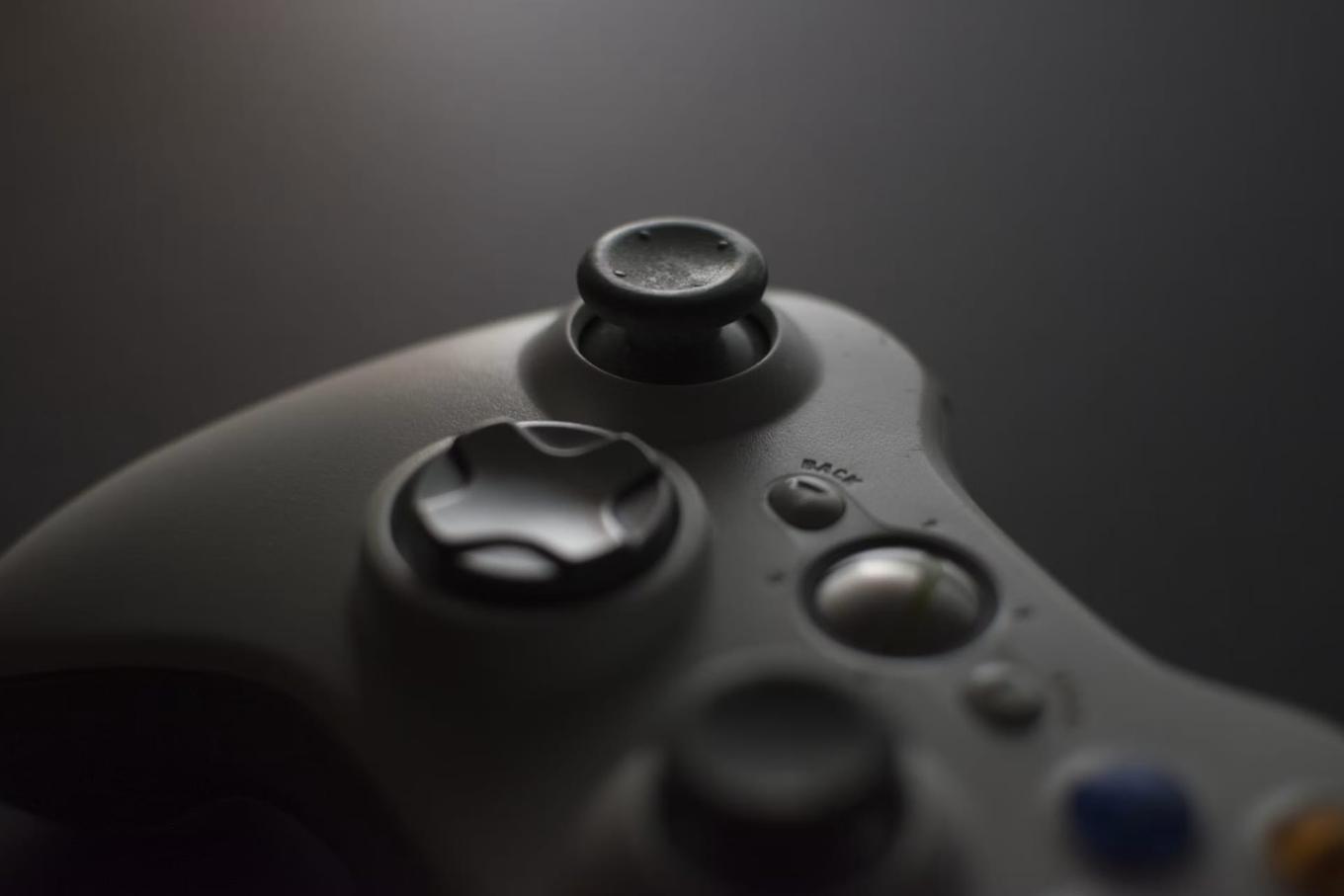
Microsoft is preparing to let developers bring Xbox 360 games to Windows PC, according to a leaked internal document seen by The Verge and sent to game studios in recent weeks. The plan builds directly on Microsoft’s recently announced effort to bring original Xbox titles to PC, extending the same approach to the console that followed it.
The document reportedly states that Xbox 360 games will be able to run not just on ordinary Windows PCs, but also on Microsoft’s next-generation console, codenamed Project Helix, and on handheld gaming devices. That would give the same Xbox 360 title a route onto several types of hardware at once, rather than being tied to a single machine.
A pattern that started with the original Xbox
Microsoft has already begun executing a version of this strategy for the original Xbox console, which launched in 2001. As part of Xbox’s 25th anniversary, the company confirmed it is bringing four original Xbox titles to PC: Fuzion Frenzy, Conker: Live and Reloaded, Blinx: The Time Sweeper and Crimson Skies, according to reporting picked up by outlets including TweakTown. Owners of the original games are offered free PC copies, along with PC enhancements such as upscaling, VSync, and additional display, filter and audio options, and compatibility with Xbox handhelds as groundwork for Project Helix.
That original Xbox rollout was widely seen as groundwork for a much larger ambition. This is an important step that could lay out the framework for Project Helix, the new Xbox console that is expected to also play Windows PC games. Extending backward compatibility to Xbox 360 titles, the console that dominated the mid-to-late 2000s and defined online console gaming for a generation of players, would mark a significant widening of that catalogue.
Project Helix aims to blur console and PC
Project Helix is Microsoft’s codename for its next Xbox console, formally previewed by Xbox VP of Next Generation Jason Ronald at the Game Developers Conference in March 2026. Rather than a conventional generational upgrade, Microsoft has pitched it as a hybrid device. It is a hybrid gaming platform designed to run both traditional Xbox titles and full PC games from storefronts like Steam, Epic Games Store, and GOG, all from your living room, and Microsoft has confirmed backward compatibility with four generations of Xbox games, covering the original Xbox, Xbox 360, Xbox One, and Xbox Series X/S.
“The next-gen console will lead in performance.” — Xbox CEO Asha Sharma
For European players, the backward-compatibility push is significant because it plugs into Xbox Play Anywhere, Microsoft’s existing cross-buy scheme. Backward compatibility also underpins Xbox Play Anywhere, which Microsoft says now spans more than 1,500 games with over 500 development teams participating, titles you buy once and play on Xbox and PC with shared saves and achievements. Bringing Xbox 360 games into that framework would let a purchase made years ago on a console travel to a modern gaming PC or laptop without an extra fee, similar to how Valve’s Steam already treats older titles as permanent library entries regardless of the hardware used to run them.
There is evidence of demand running ahead of Microsoft’s official plans. Independent developers working on unofficial compatibility tools have already managed to get dumped Xbox 360 and original Xbox games running on PC outside any sanctioned Microsoft release, according to reporting by Vertical Slice Games, though results were inconsistent and the tools remain unofficial. Microsoft has not commented publicly on a broader Xbox 360-to-PC rollout, and the leaked document has not been officially confirmed by the company.
Project Helix itself remains without a confirmed release date or price, with most reports pointing to hardware development running through 2027 ahead of a possible 2028 launch. For now, the Xbox 360 leak adds another data point to a broader shift already visible in Microsoft’s approach: treating its back catalogue, rather than console exclusivity, as one of Xbox’s main competitive assets against rivals such as Sony’s PlayStation and PC-native storefronts like Steam.
This article was researched and drafted with AI assistance and reviewed by Lasse Pedersen before publication. How we use AI
This article is free to read. It always will be — no paywall, no account, no tracking.