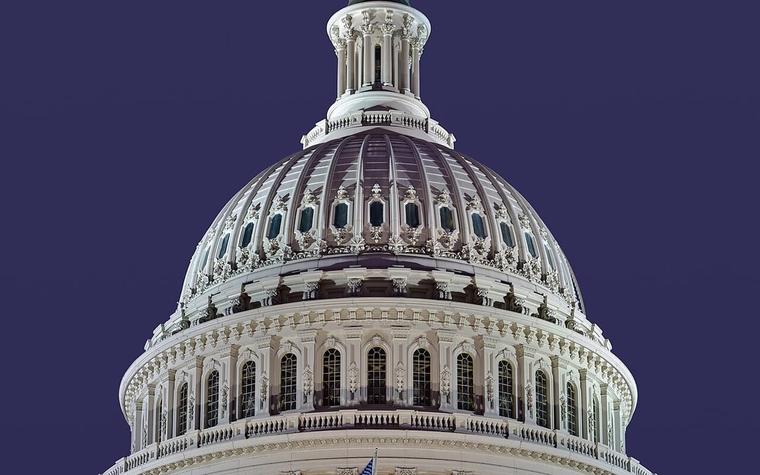
Shares in renewable energy companies rose sharply across US, European and Asian markets this week after Democrats won sweeping control of the US House of Representatives and Senate in the November 3 midterm elections, according to The Guardian and CNBC.
The result was described as one of the most lopsided midterm performances in modern US history. Democrats flipped at least seven Senate seats, including in traditionally Republican states such as Kansas, Texas and South Carolina, and gained as many as 30 House seats, according to CNBC. Hakeem Jeffries, the House Minority Leader, is now positioned to become Speaker.
Orsted among European gainers
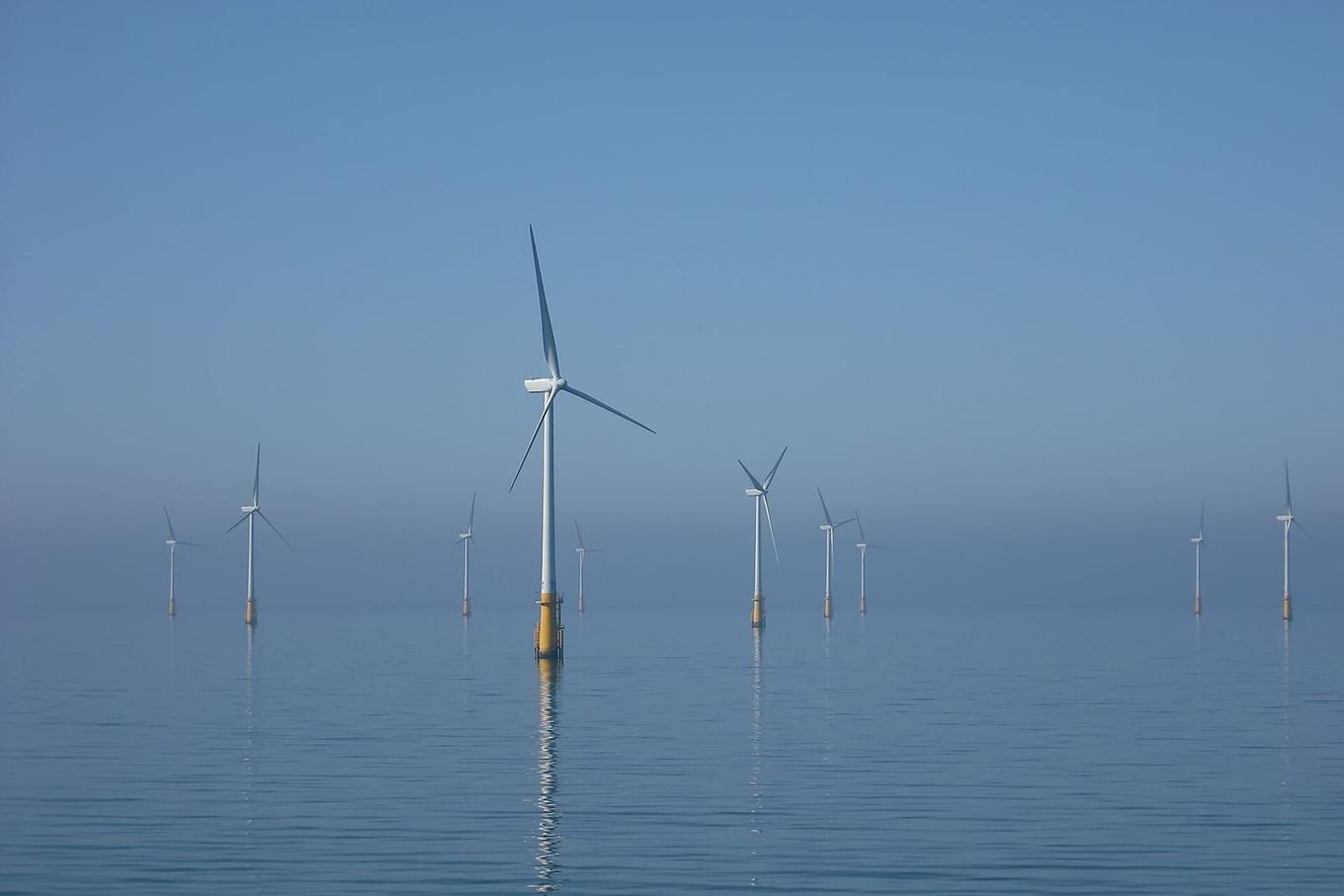
Denmark’s Orsted, the offshore wind developer, gained between roughly 6 and 8.1 percent in the session following the results, according to Bloomberg and StreetInsider. The company has faced years of pressure from the Trump administration’s opposition to offshore wind permitting and subsidies, making it one of the more closely watched European names in the rally.
Other European renewable firms also rose. Germany’s SMA Solar gained between roughly 8 and 11.6 percent and wind turbine maker Nordex rose between 4.8 and 8 percent, while Portugal’s EDP Renovaveis and France’s Voltalia also posted gains, according to StreetInsider and CNBC.
In the United States, solar and clean-energy companies led the advance. First Solar rose around 8 to 8.5 percent, Sunrun gained roughly 8.6 percent and battery maker Plug Power jumped 10.6 percent, according to CNBC and Benzinga. The broader Dow Jones Industrial Average climbed about 1,500 points on November 4, its best single day since April 2025, a move CNBC attributed partly to reduced political uncertainty after Trump accepted the election results.
Asian markets join the rally
The gains extended to Asia, where South Korea’s Hanwha Solutions surged roughly 18 to 19 percent, HD Hyundai Energy Solutions rose about 12 percent and OCI Holdings gained around 10 percent, according to oilprice.com and the Seoul Economic Daily. All three companies have significant manufacturing exposure in the United States.
“Energy affordability was a key issue in this election, reflecting the real pressures facing American households and businesses,” said Tim Pawlenty, CEO of the Solar Energy Industries Association, according to PV Tech.
Investors described part of the move as a rotation of capital away from stocks linked to artificial intelligence and data centres and toward clean energy and healthcare shares. MS NOW host Rachel Maddow called the election result “a seismic change in Washington,” according to Variety.
Despite the rally, analysts caution that the practical impact on US energy policy remains uncertain. Even with new majorities in both chambers, Democrats would need 60 votes in the Senate to overcome the filibuster and pass major legislation, limiting how much of the Inflation Reduction Act’s clean-energy incentives can be restored or expanded in the near term.
This article was researched and drafted with AI assistance and reviewed by Lasse Pedersen before publication. How we use AI
This article is free to read. It always will be — no paywall, no account, no tracking.