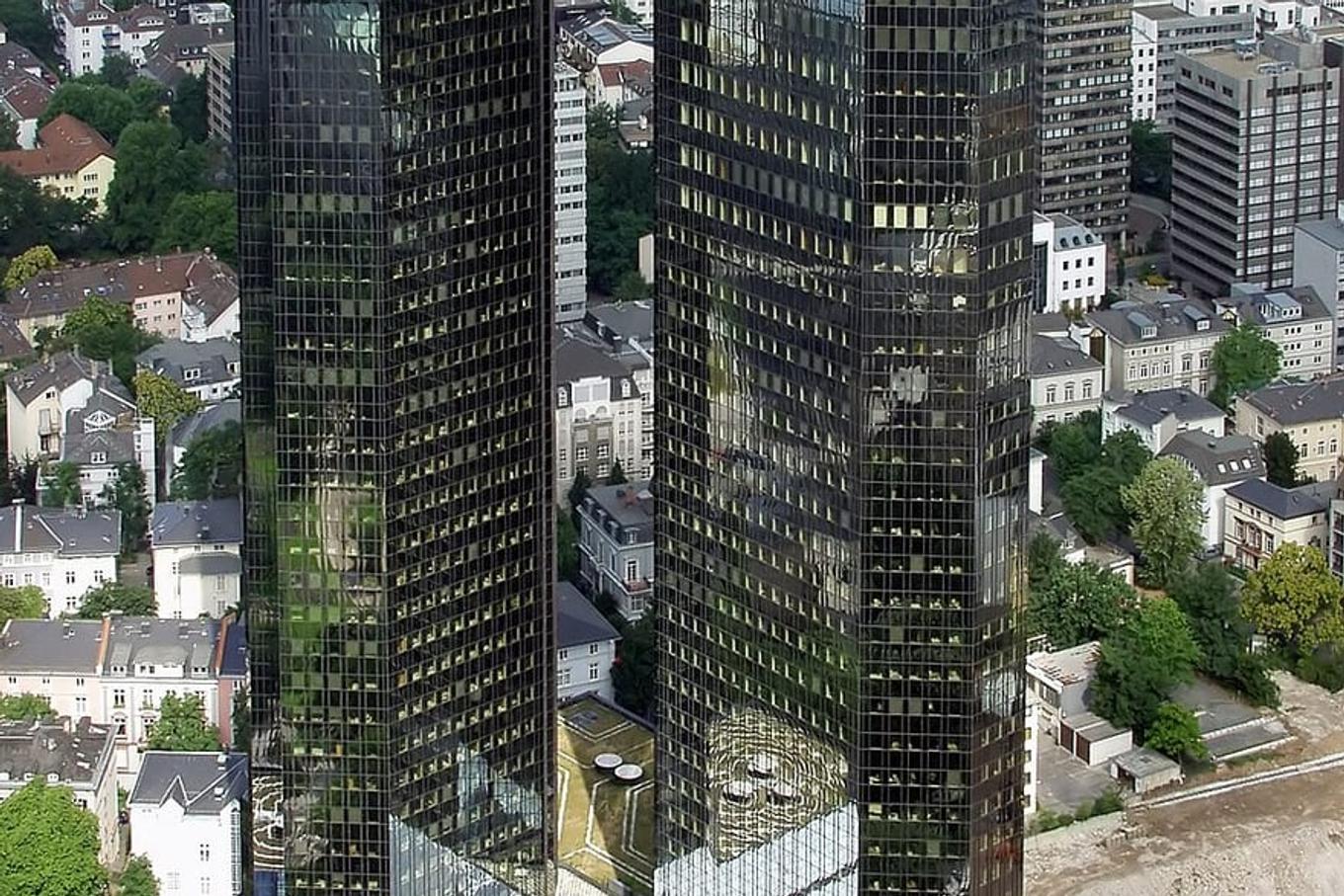
A leak of more than 15 million internal Deutsche Bank documents has exposed alleged failures in the bank’s risk management stretching back up to two decades, according to an international investigation published Tuesday. The files were obtained by whistleblowers and shared with journalists Josy Joseph and Khadija Sharife, who coordinated the project, called ‘Inside Deutsche Bank,’ through the South African nonprofit Barracuda Media. More than 200 journalists from over 50 outlets in more than 40 countries, including the Financial Times, The New York Times, Der Spiegel and Le Monde, worked on the material.
Epstein payments and a tax-data leak
According to the Financial Times, the documents show the bank identified roughly $582 million in suspicious payments linked to Jeffrey Epstein and his network, more than double the sum previously made public. Separately, the files describe how a Deutsche Bank employee accidentally sent a download link containing tax documents for 1,586 accounts, including Donald Trump’s, to an external accountant working for another client in March 2017. The bank informed the Federal Reserve Bank of New York at the time but did not notify the affected clients or the White House.
Christian Sewing, then head of the bank’s private banking division and now its chief executive, was briefed on the error and reportedly called it an ‘awful mistake’ in an internal email. Reporting also indicates that internal reports the bank filed with US authorities about suspicious payments linked to Trump-connected companies did not identify the companies as belonging to the president, and a separate internal review for Congress had found ‘no bank-related connections between President Trump and Russia.’
Speaking to reporters in Manila during a Quad summit, Trump rejected the reporting on the 2017 incident.
“It’s illegal for them to do it.” — Donald Trump, President of the United States
Russia business and market reaction
The leaked files also detail Deutsche Bank’s efforts to expand its Russia business up until Russia’s 2022 invasion of Ukraine, despite internal compliance concerns, along with extensive records concerning sanctioned oligarchs Oleg Deripaska and Roman Abramovich. The whistleblowers say they also passed the material to the US Justice Department, the Treasury’s Financial Crimes Enforcement Network, and Britain’s tax authority, HMRC, according to their lawyer.
Deutsche Bank shares fell sharply on the news, with reports citing declines of between roughly 4.7 percent and more than 6 percent, the steepest one-day drop since April 2025. Chairman Alexander Wynaendts publicly defended Sewing in the aftermath.
“During my tenure I haven’t seen a single decision from Christian Sewing that I was not comfortable with.” — Alexander Wynaendts, Chairman, Deutsche Bank
Bank’s response
In a statement, Deutsche Bank said the matters referenced in the reporting ‘date back many years,’ in some cases up to two decades, and that it had informed relevant authorities, including a data protection regulator, as a precaution. The bank said testing with a security firm found no evidence its current IT systems were compromised or that account information, login credentials or payment data had been accessed. It pointed to roughly €7 billion invested in its control environment between 2019 and 2025, record profits in 2025, and ten credit rating upgrades over six years as evidence of change under Sewing’s leadership.
“We are a different, stronger and safer bank today,” the bank said. One unnamed whistleblower cited in the Financial Times reporting took a starker view, saying the bank needs a complete overhaul in management and culture.
This article was researched and drafted with AI assistance and reviewed by Lasse Pedersen before publication. How we use AI
This article is free to read. It always will be — no paywall, no account, no tracking.