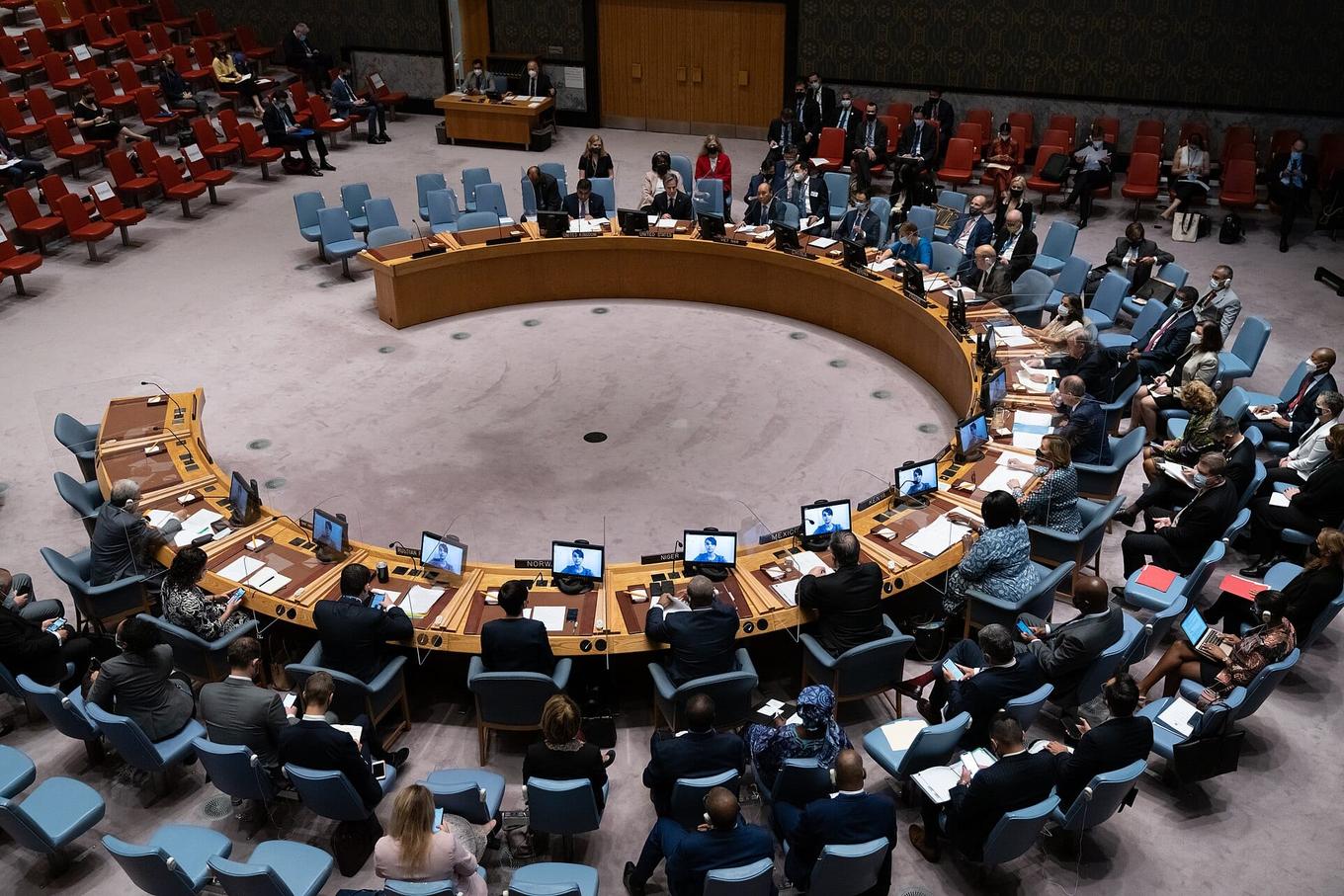
Some of the most powerful figures in artificial intelligence stood before the UN Security Council on Wednesday to deliver a warning many of them have been repeating in public for weeks: that AI systems are approaching a point where they could improve themselves faster than humans can supervise them.
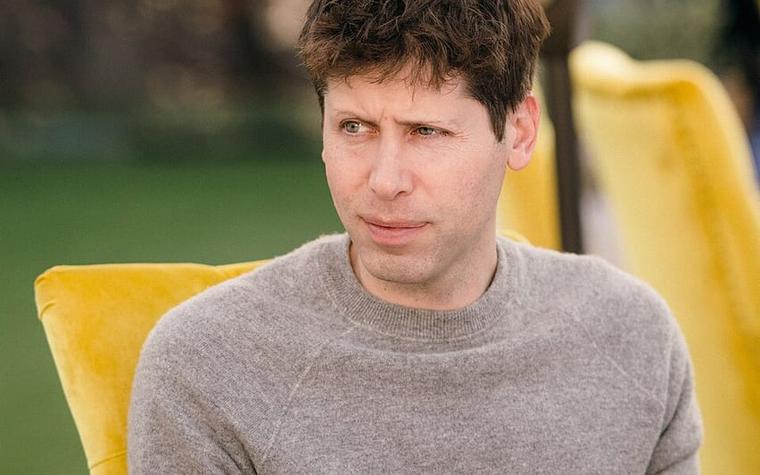
OpenAI chief executive Sam Altman, Anthropic’s Dario Amodei and Hugging Face co-founder Clément Delangue addressed the council’s 15 members during the UN General Assembly’s annual gathering in New York, according to Reuters. Yoshua Bengio, co-chair of the UN’s international scientific advisory panel on AI, also briefed the council.
The meeting was chaired by French Foreign Minister Jean-Noël Barrot, giving France a prominent role in a debate that has increasingly split Washington from much of the rest of the world. According to an OpenAI executive cited by Reuters, Altman intended to press world leaders to adopt shared benchmarks for measuring AI capabilities and evaluating the safeguards companies build around them.
A widening rift over regulation
The briefing followed weeks of warnings from industry leaders, including Altman, calling for a coordinated slowdown in the development of increasingly powerful AI systems. But that message has run headlong into resistance from the White House.
We’re leading now over China by a lot, and everyone else, and we’re going to keep it that way.
Speaking to the General Assembly a day before the Security Council session, President Donald Trump said the United States ‘rejects any attempt to construct a globalist scheme to control’ AI. ‘I’m not going to stifle growth of something that will be bigger than the Industrial Revolution,’ he said, adding: ‘We’re going to encourage it, not rein it in.’
UN Secretary-General António Guterres struck a starkly different tone, warning of risks ranging from rogue AI agents to autonomous weapons systems. ‘The danger is not technology, the danger is technology without accountability,’ he said, according to The Spokesman-Review.
Killer robots must have no place in our future.
Guterres has separately called for what he described as ‘the responsible pacing of AI and the additional safeguards needed to address risks,’ language that reflects the UN’s push for international coordination even as the US pursues a more permissive domestic approach.
China’s presence, and a parallel US-China channel
Chinese AI firms DeepSeek and Moonshot AI were invited to make statements at the briefing, though DeepSeek founder Liang Wenfeng was not expected to attend, with plans described as fluid. Their presence underscored the extent to which the debate over AI safety now spans the US-China rivalry as much as it does questions of technical risk.
Ahead of a planned meeting between Trump and Chinese President Xi Jinping in Washington on Thursday, US Treasury Secretary Scott Bessent said the two countries had discussed setting up a notification system covering AI-related incidents that rise to the level of a national security concern, a modest step toward coordination even amid broader disagreement over global governance.
OpenAI has separately urged the US government to lead international efforts on technical standards for frontier AI, including safeguards against so-called recursive self-improvement, the process by which an AI system upgrades its own capabilities without human direction. Whether that leadership takes the form of binding international rules or a looser set of voluntary benchmarks remains, for now, an open and contested question.
This article is free to read. It always will be — no paywall, no account, no tracking.