Donald Trump announced on his Truth Social platform late on 28 August what he called ‘the biggest oil deal in world history’, claiming the United States has secured majority control of more than 65 billion barrels of Venezuela’s proven oil reserves. He said the arrangement came ‘at no cost to the American taxpayer’ and would eventually lower petrol prices in the United States.
According to US officials cited by CBS News and CNN, the deal is not a direct government takeover of Venezuelan oil fields. Instead, it is structured as a private joint venture between the US government and a private operator. Venezuela’s interim government has granted that venture a 100-year concession over fields containing between 63 and 65 billion barrels, figures that vary slightly depending on the source. The US retains a 55% effective economic stake, split between equity ownership and the right to buy oil from the venture at cost, a White House official said.
A deal negotiated after Maduro’s capture
Trump said the agreement was negotiated at his direction by Secretary of State Marco Rubio and Secretary of War Pete Hegseth, working with Venezuela’s interim president, Delcy Rodriguez.
At my direction, Secretary of State Marco Rubio and Secretary of War Pete Hegseth, working closely with Highly Respected Interim President of Venezuela Delcy Rodriguez
The announcement follows the capture of former Venezuelan president Nicolás Maduro, who faces narcoterrorism and drug-trafficking related charges, after which Rodriguez became interim president. In the weeks before Trump’s announcement, Venezuela had already agreed to a separate $2.8 billion oil export deal with the US, and state oil company PDVSA signed new contracts to supply crude to US Gulf Coast refineries.
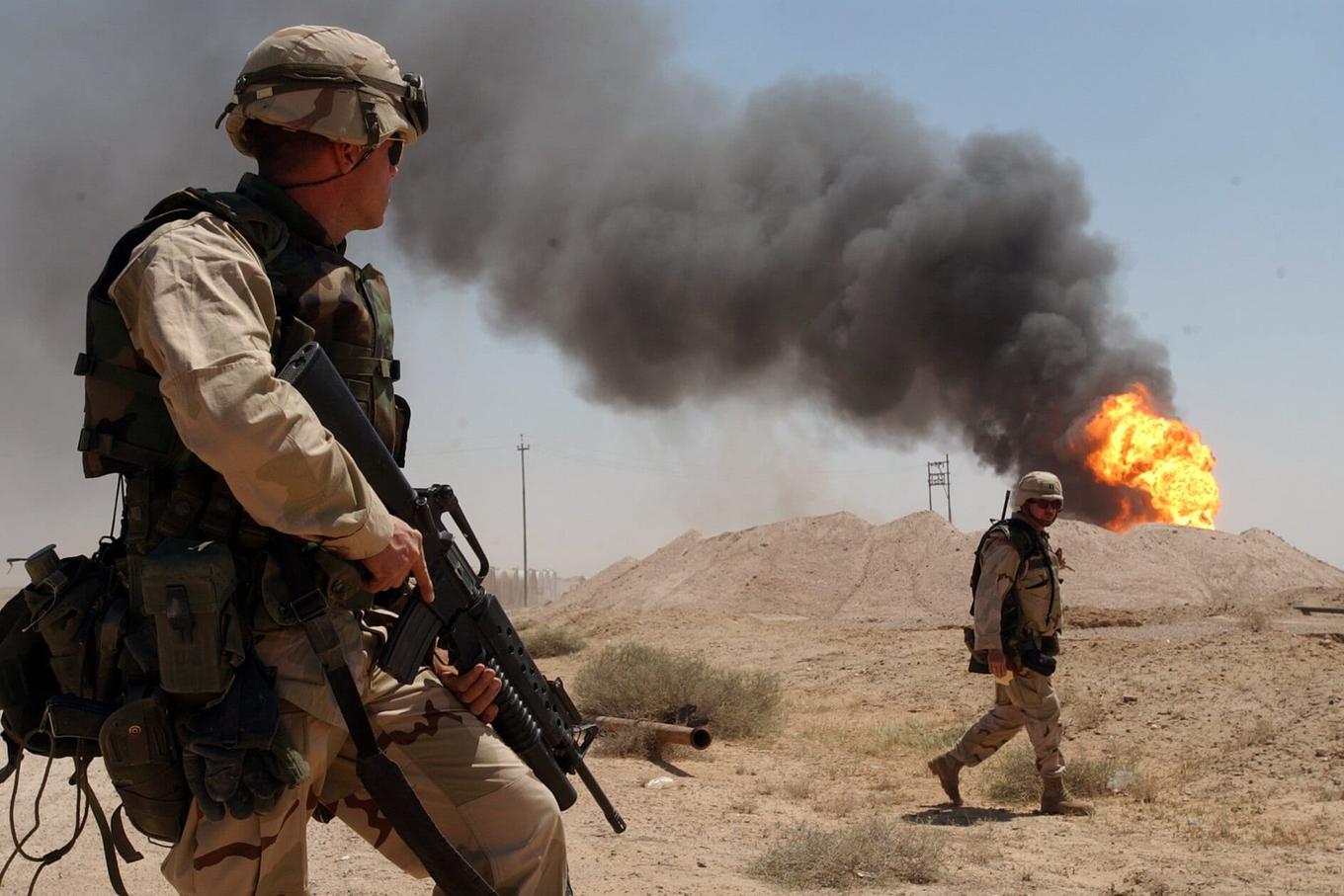
Venezuela holds the world’s largest proven oil reserves, estimated at more than 303 billion barrels, roughly 17% of global supply according to The National, citing Reuters data. The new joint venture therefore covers around one-fifth of the country’s total reserves. A US official described the venture as the world’s second-largest corporate holder of proven oil reserves after Saudi Aramco.
Unanswered questions and sceptical analysts
It remains unclear which private companies are involved in the venture. Few foreign oil firms, including US-based Chevron, have maintained a presence in Venezuela in recent years. Bloomberg reported that the Pentagon’s Office of Strategic Capital had been in discussions with Venezuelan energy investor Alejandro Betancourt as a potential partner. Reuters and Axios had earlier reported talks covering up to 17 oil fields in the Orinoco Belt and Lake Maracaibo regions, with combined reserves estimated at around 90 billion barrels, a wider scope than the fields ultimately named in Trump’s announcement.
Energy analysts have urged caution about Trump’s claim that the deal will lower fuel costs for Americans. Patrick De Haan, head of petroleum analysis at GasBuddy, said expectations of an immediate effect were overblown.
Many folks are far too optimistic that this will have immediate and measurable effect
Goldman Sachs commodities analysts have made similar points, noting that any output increase large enough to move global prices would require years of infrastructure investment. US Energy Secretary Doug Burgum said Venezuelan oil was ‘starting to flow’ to the United States following the earlier easing of sanctions.
The deal has drawn criticism from advocacy groups. Commentary cited by Common Dreams and Truthout described the arrangement as a ‘colonial’ resource takeover and called on the US Congress to scrutinise it. Neither the White House nor Venezuela’s interim government has published the underlying contract, leaving key details, including the identity of the private operator, unconfirmed.
This article is free to read. It always will be — no paywall, no account, no tracking.