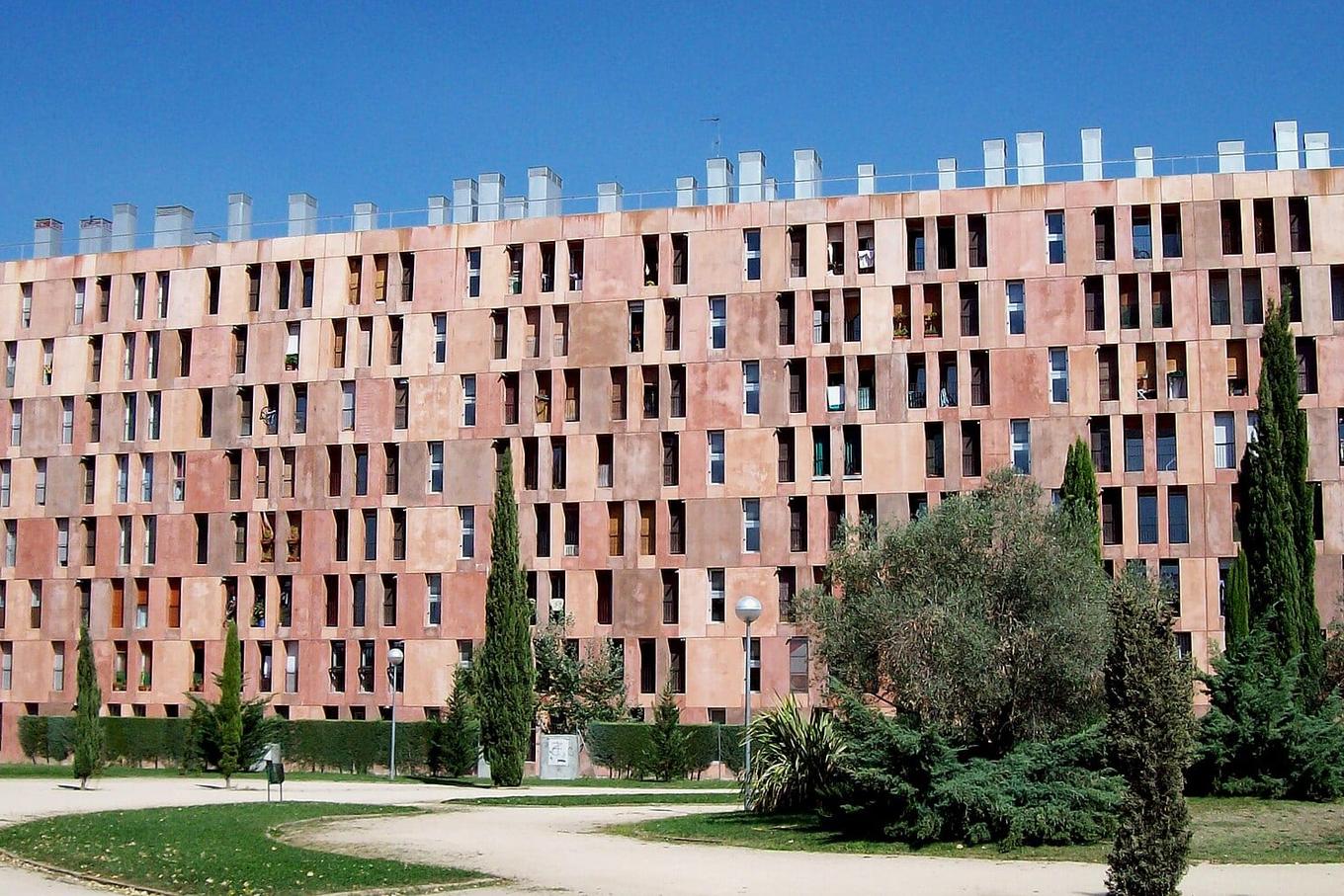
Spain and Portugal, two countries otherwise held up as southern European economic success stories, are struggling with some of the most acute housing shortages in the European Union. A combination of rapid population growth, planning delays and rising construction costs has left both markets unable to keep pace with demand, according to reporting by the Financial Times and data from the Bank of Spain.
The shortfall is stark in scale. A Bank of Spain study found that Portugal built around 300,000 fewer homes than its population growth required between 2021 and 2025, a deficit equivalent to 6.6% of the country’s total households last year. Spain’s gap was estimated at roughly 700,000 to 750,000 homes, or about 3.7% of households, according to the same analysis and separate Bank of Spain estimates reported by PBS.
Why homes are not being built
In Portugal, the construction industry has never fully recovered from the eurozone debt crisis of the early 2010s. Manuel Maria Gonçalves, head of the Portuguese Association of Property Developers and Investors, has said the sector lost companies, workers and production capacity during that downturn. Developers today are willing to build, he has argued, but rising costs and heavy bureaucracy make it increasingly hard to deliver housing that is profitable for middle-income buyers.
The imbalance shows up clearly in prices. Portuguese house prices have jumped 124% since 2015, more than double the EU average increase of 53% over the same period, according to Eurostat figures cited by ChatEurope. Prices rose by more than 16% in the first quarter of 2025 alone, Portugal’s national statistics institute found, a spike partly driven by falling interest rates and a government mortgage guarantee scheme for young buyers.
Spain, meanwhile, is growing faster than almost any other economy in the eurozone, yet that success has not translated into affordable housing. Eurostat figures show Spanish housing costs rose nearly 13% year on year by the end of 2025. Reuters has described the country as one enjoying Europe’s fastest economic growth while suffering a housing shortage worsened by a tourism boom, as short-term holiday lets compete with long-term rental stock in cities such as Barcelona and Madrid.
Streets and ballot boxes
The strain has spilled into politics. Hundreds of thousands of demonstrators marched across roughly 40 Spanish cities in April 2025 to demand action on rents and tourist flats, according to Reuters. Similar protests have recurred in Barcelona and Madrid, and Lisbon’s renters have held their own demonstrations, with one group of activists criticising what it calls the illusion that more supply alone will fix the crisis.
“It is not with more homes that this crisis will be solved,” one Lisbon-based housing researcher, Mendes, told AFP, arguing that adding supply risks overheating the market further.
In both countries, public housing stock is thin, representing only about 2% of households, a figure well below the EU average and one that leaves renters with little cushion against market swings. The European Commission has suggested Portugal consider regulating rents or tightening rules on short-term tourist lets, according to reporting on the crisis.
Spain’s government has gone further, with Prime Minister Pedro Sánchez proposing a tax of up to 100% on property purchases by non-EU residents, part of a wider package of measures aimed at curbing speculation. Portuguese housing campaigners have urged Lisbon to follow suit, though property owner representatives there argue the two countries’ economic and administrative realities differ enough that Spain’s playbook cannot simply be copied.
For now, both governments face the same underlying arithmetic: more people need homes than are being built, in an era when construction firms, planning authorities and mortgage lenders in the Iberian Peninsula are all struggling to move at the pace the market requires.
This article is free to read. It always will be — no paywall, no account, no tracking.