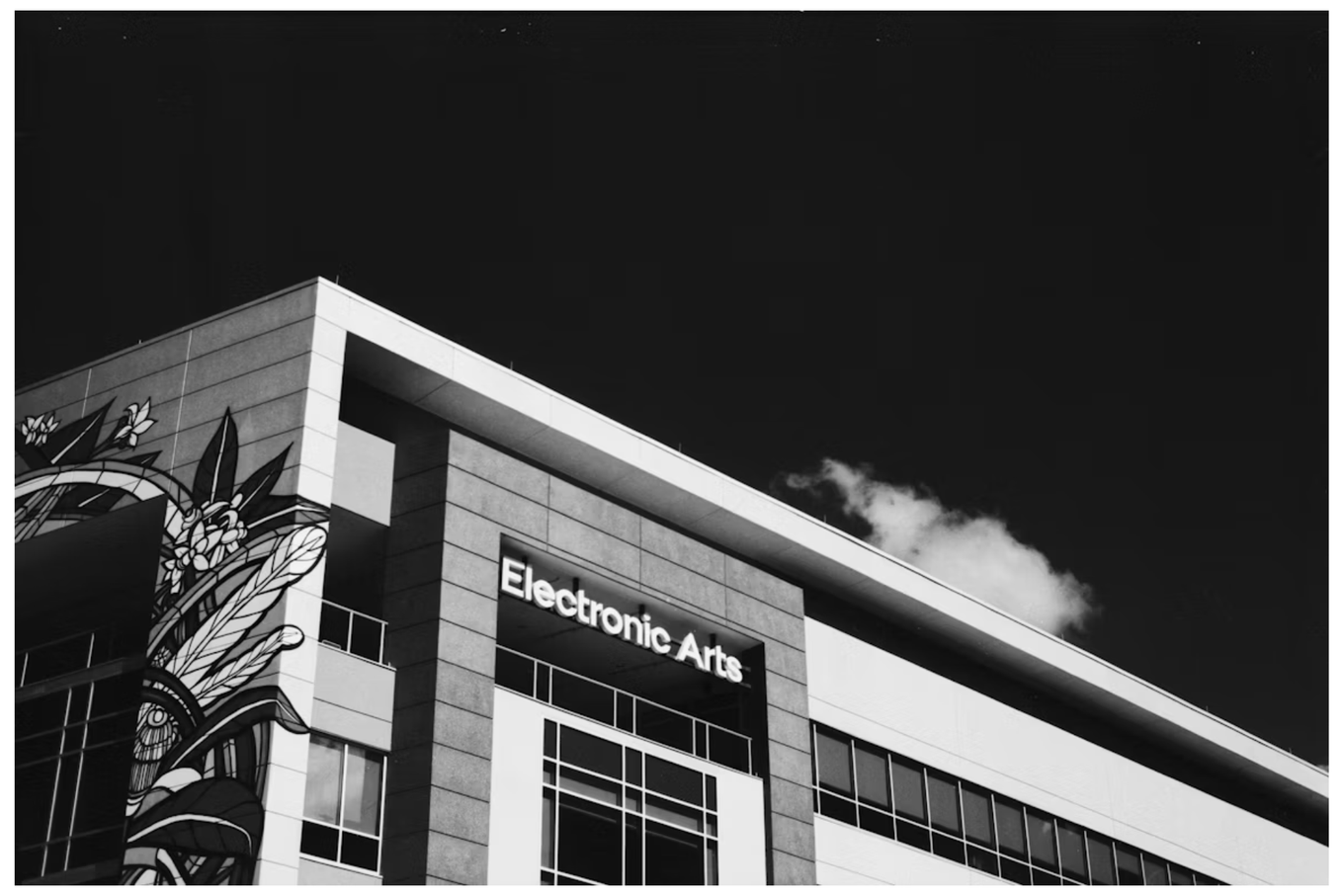
Electronic Arts posted first-quarter bookings of $1.35 billion on Monday, falling short of the $1.48 billion average analyst estimate compiled by LSEG. The miss arrives at a historically charged moment: the same week the Redwood City, California-based publisher is set to be taken private in a $55 billion deal led by Saudi Arabia’s sovereign wealth fund, the Public Investment Fund (PIF).
Reuters reports that the shortfall was driven largely by declining player engagement with Battlefield 6. Despite a strong debut in October 2025, the shooter has struggled to sustain the in-game spending that EA depends on to generate revenue long after a title’s initial release. That model, known in the industry as live-service gaming, relies on players continuing to buy cosmetic items, season passes, and downloadable content for months or years after launch.
Profit still doubled despite the miss
The headline bookings figure masked some underlying strength. Net profit for the quarter ended 30 June rose to $397 million, up from $201 million in the same period a year earlier. EA’s portfolio, which includes EA Sports FC, Madden NFL, The Sims, and Apex Legends, continues to generate significant cash flow even as individual titles disappoint.
Looking ahead, competition is set to intensify further. Take-Two Interactive’s long-awaited Grand Theft Auto VI is expected to command substantial player attention and discretionary spending when it launches, drawing resources away from rival publishers across the industry.
The end of 35 years on the Nasdaq
The quarterly results are likely the last EA will publish as a listed company. In a July 30 SEC filing, EA confirmed that all regulatory approvals required to complete the merger had been obtained, with the deal expected to close on or about the close of trading on 4 August 2026. Once completed, EA will be delisted from the Nasdaq, ending a public run that began with the company’s 1989 stock market debut.
“PIF is uniquely positioned in global gaming and esports, connecting fans, developers, and IP creators. This partnership will further drive EA’s long-term growth while fuelling innovation across the industry.” — Turqi Alnowaiser, Deputy Governor and Head of International Investments, PIF
Under the terms of the deal, shareholders receive $210 per share in cash, a roughly 25% premium to EA’s pre-announcement price. The PIF will hold 93.4% of the company, with private equity firm Silver Lake taking 5.5% and Affinity Partners, the investment firm led by Jared Kushner, holding 1.1%. EA shareholders voted overwhelmingly in favour of the transaction at a virtual meeting in December 2025, with approximately 99% of votes cast in support.
The transaction is the largest leveraged buyout in corporate history, surpassing the $45 billion TXU energy deal struck in 2007. A leveraged buyout is an acquisition financed predominantly with borrowed money, using the target company’s own assets and future cash flows as security against the debt. The European Commission cleared the deal on 23 July without requiring an extended Phase 2 investigation, a process that significantly prolonged Microsoft’s acquisition of Activision Blizzard.
Creative independence and wider concerns
The ownership change has not been without controversy. The PIF is central to Crown Prince Mohammed bin Salman’s strategy to diversify the Saudi economy away from oil, and the fund already holds stakes in Nintendo, Take-Two, and owns esports operator ESL FACEIT outright. Some creators in EA’s community have publicly distanced themselves from the company over the acquisition, citing concerns about Saudi Arabia’s human rights record. Both EA and the PIF have maintained that creative direction will remain with existing studio leadership, and CEO Andrew Wilson is expected to remain in his role with the company continuing to operate from its California headquarters.
“By approving this unprecedented acquisition, private equity and the Saudi PIF gains a dangerous foothold in the videogame industry, which now threatens the affordability and freedom of creativity deeply critical to the success of gaming.”
This article is free to read. It always will be — no paywall, no account, no tracking.