US Vice-President JD Vance cancelled a planned trip to Switzerland on Thursday to meet Iranian negotiators, dealing an early blow to diplomatic efforts to convert a fragile ceasefire into a lasting peace. The White House confirmed his withdrawal shortly after Iran’s semi-official Tasnim news agency said Tehran’s own delegation had not yet committed to travelling to Geneva — leaving the first round of implementation talks in doubt before they had even begun.
The setback comes just one day after a landmark 14-point memorandum of understanding (MOU) between the United States and Iran was signed digitally by both countries’ presidents, a deal intended to halt months of war, extend the ceasefire by 60 days, and reopen the Strait of Hormuz to global shipping.
A deal signed, a ceremony cancelled
The sequence of events this week has been marked by confusion over protocol as much as substance. US officials had spent days promoting a formal signing ceremony in Geneva on Friday, 19 June, as the symbolic capstone of the agreement. But Iran’s Foreign Ministry spokesperson Esmaeil Baghaei said Wednesday that since both presidents had already signed the MOU digitally, no formal ceremony in Switzerland was necessary.
The venue itself had already shifted once. Swiss authorities announced on 16 June that the ceremony would move from Geneva to Bürgenstock, a mountain resort near Lake Lucerne — the same location Switzerland used for Ukraine peace talks — after the United States, Iran, and mediators Pakistan and Qatar jointly proposed the change. That plan, too, was subsequently overtaken by events.
“But the logistics of these negotiations have never been simple or predictable.” — White House spokesperson statement, 19 June 2026
Vance and the US delegation had been prepared to depart once final arrangements were in place, the White House said. But Iran’s Tasnim news agency, reporting before Vance’s announcement, stated that Tehran’s negotiators needed to see concrete signs of US implementation of the interim agreement before the next round of talks could begin — and that there was no confirmation Iran’s delegation would travel at all.
What the 14-point MOU actually contains
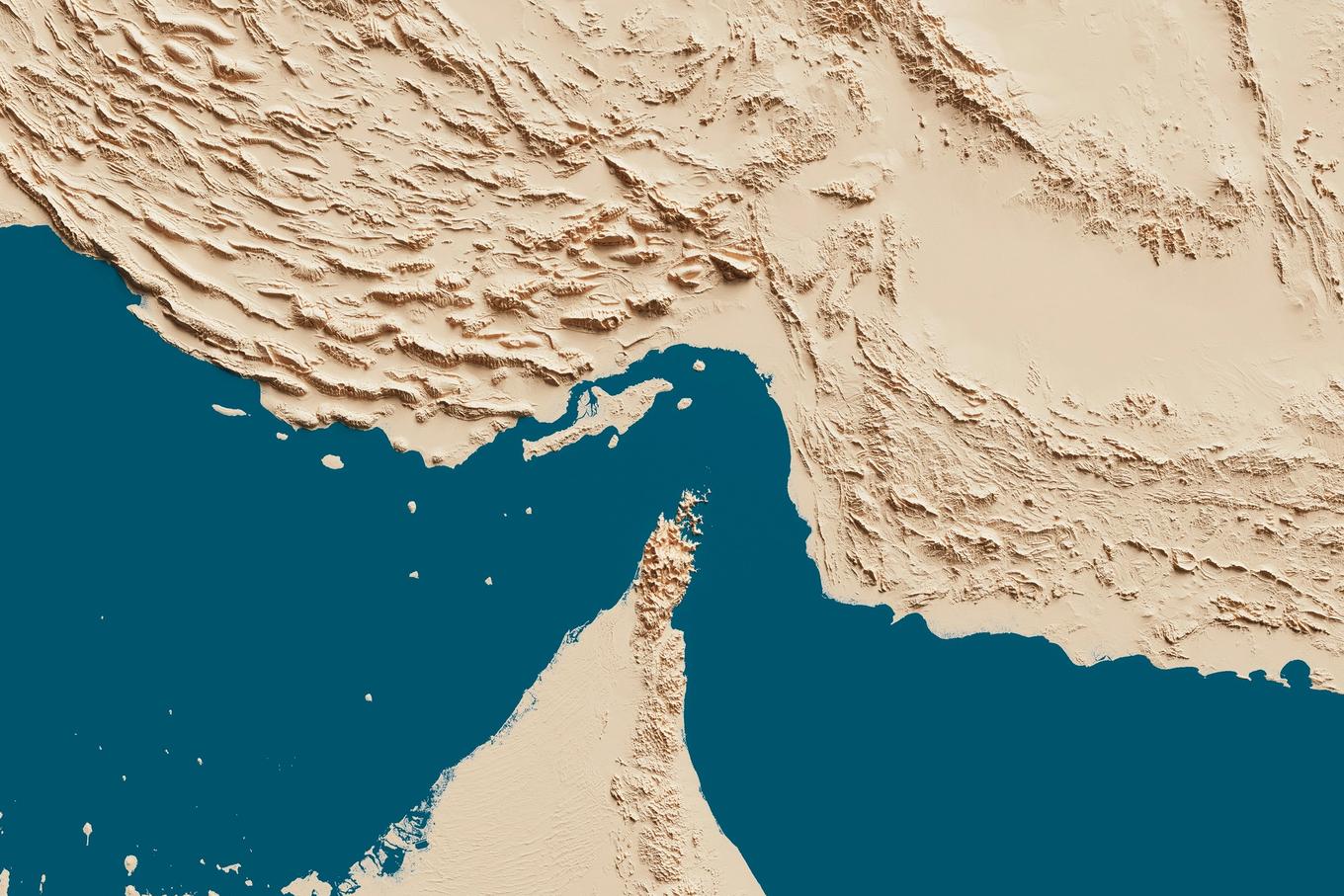
The official text of the memorandum, released by Washington earlier this week, is a 14-point document that sets out a framework for ending hostilities rather than a comprehensive peace settlement. Its core provisions commit Iran to allowing commercial vessels to transit the Strait of Hormuz — the narrow waterway that carries roughly one-fifth of the world’s oil and liquefied natural gas — without charge for 60 days. The US and Israel, in turn, agreed to suspend military operations against Iran.
On the nuclear question, the MOU secures Iran’s reaffirmation of its commitment to the Treaty on the Non-Proliferation of Nuclear Weapons and specifies a ‘minimum methodology’ for down-blending Iran’s stockpile of highly enriched uranium — material that Iran holds in quantities of around 440 kilograms enriched to 60 percent purity, close to the threshold at which producing a weapon becomes significantly easier. That down-blending would take place under supervision by the International Atomic Energy Agency (IAEA), the UN’s nuclear watchdog. A full technical agreement on the nuclear file is left for the 60-day negotiation window ahead.
“Iran will monitor the US’s compliance without any leniency.” — Iranian Foreign Ministry spokesperson Esmaeil Baghaei, 18 June 2026
The deal also eases certain financial restrictions on Iran and envisages the release of frozen Iranian assets, with sanctions relief formally tied to progress on the nuclear front. Discussions about Iran’s ballistic missile programme and its support for armed groups across the region — including Hezbollah in Lebanon — were, according to Iran’s Mehr News Agency, removed from the negotiating agenda, despite having been core US demands at the start of the war.
Doubts on both sides of the Atlantic
The diplomatic turbulence in Geneva is compounded by political headwinds in Washington. Republican lawmakers have voiced unease with the terms of the MOU, questioning whether the administration extracted sufficient concessions from Tehran after nearly four months of war. Senate Minority Leader Chuck Schumer called the agreement a ‘fiasco’, while some Republican senators raised concerns about the prospect of large financial transfers to Iran as part of any permanent settlement. Vance declined to say who would fund a reported $300 billion reconstruction fund that has been floated as part of a final deal.
Israel, which was not party to the peace talks and has kept its distance from the US-Iran accord, continued military strikes in Lebanon against Hezbollah. Iran’s Islamic Revolutionary Guard Corps has previously indicated it could walk away from the ceasefire if Israeli strikes against its allies continued, adding another layer of volatility to an already complex diplomatic picture.
“This is a fragile truce.” — US Vice-President JD Vance, April 2026
Markets steady, but the clock is ticking
Global energy and financial markets reacted positively to the initial deal announcement earlier in the week. Oil prices eased as tankers began resuming passage through the Strait of Hormuz following months of severe disruption that had driven fuel shortages in parts of Asia and pushed inflation higher across the world. Crop prices also fell in the wake of the agreement.
But analysts caution that the 60-day window now underway is an extremely compressed timeline for resolving one of the world’s most intractable disputes: the future of Iran’s nuclear programme. The sides have agreed to negotiate how to down-blend Iran’s highly enriched uranium and how to freeze and monitor its nuclear activities going forward — issues that took years to work through during the original Joint Comprehensive Plan of Action (JCPOA) negotiations, which ultimately collapsed after the United States withdrew in 2018. With Vance’s Geneva trip cancelled and Iran insisting on proof of implementation before talking, the 60-day clock has begun ticking before the next round of diplomacy has even found a room to sit in.
This article is free to read. It always will be — no paywall, no account, no tracking.